
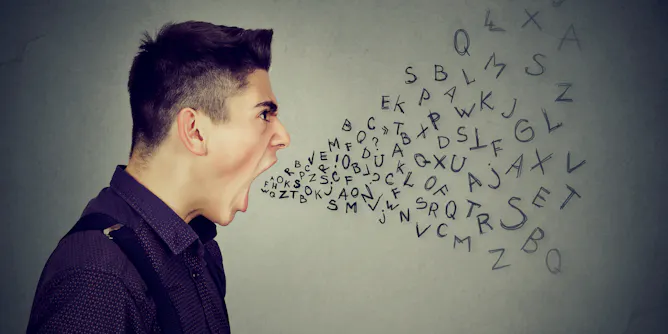
Bad language can be inspiring.
Articles on Swearing
Displaying 1 - 20 of 44 articles

Obscene language tics, called coprolalia, don’t reveal what people with Tourette’s think and feel. In fact, tics often compel people to say or do precisely what they most wish to avoid.

When you curse after stubbing your toe, you’re not losing control – you’re activating ancient neural circuits that help your body cope with pain.

Australians are outdone by Americans and Brits, both in how often they swear, and in how many users swear online.

A swearing ban risks making team radio feel sanitised and staged, diminishing the very sense of access that made it compelling and exciting in the first place.

Cursing may be rude but it’s also powerful – it can even raise your pain threshold.

Kamala Harris’ running mate sprinkles ‘damn’ throughout his speeches, even doing it in his acceptance speech at the Democratic National Convention.

Research has disproven the saying ‘sticks and stones may break my bones but names will never hurt me’.
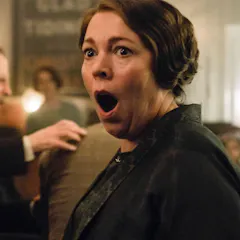
The film is part soap opera about neighbourly conflict, part cosy teatime detective story. And it’s also a showcase for some delightful swearing – my area of expertise.

By the time children start school ‘they have the rudiments of adult swearing’, including about 40 taboo words.
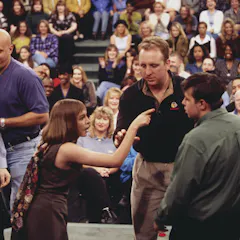
As ‘The Jerry Springer Show’ climbed the ratings ladder, the censorship bleep, which masked the slew of insults lobbed by warring guests, became a star of the show.

It’s not just you – there’s a reason swearing is so satisfying.
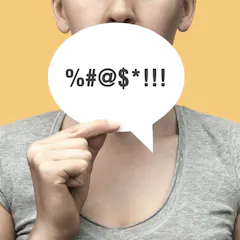
Swearing can raise our pain threshold.
Politicians dropping the f-bomb tend to be seen as acting out of emotion, but the way we use taboo language is often about what we can accomplish by violating rules.

As political parties spar, insults and catchphrases are adopted, appropriated and reappropriated in a dizzying verbal arms race.

Drinking, swearing and social transgressions can lead to good things.

Long regarded as guardians of morality, women who swore were often policed and punished. But whether protesting or parodying, they have used bad language in creative ways.
From 16th-century playwrights to ‘The Good Place,’ wordplay has found clever ways to get around uttering profane and blasphemous language.

A cognitive scientist observes that the words that bother college-age Americans today can cause harm.

Dealing successfully with rudeness can help people develop resilience and confidence.
Top contributors
-

Senior Lecturer in Psychology, Keele University
-
Senior Lecturer in Law, University of Technology Sydney
-
Professor of Linguistics, Monash University
-
Roger J. Kreuz is a Friend of The Conversation.
Associate Dean and Feinstone Interdisciplinary Research Professor, University of Memphis
-
Professor of English Language and Literature, University of Oxford
-
Chair in Trust, Professor of Management, The University of Melbourne; Melbourne Business School
-
Professor of Child & Family Social Work, University of Sydney
-
Professor of Information Technology and Organisation, University of Sydney
-
Associate Professor in Linguistics, Macquarie University
-
Doctoral Researcher in Late-Medieval Linguistics and Literature, University of Sheffield
-
Associate Professor of Organisational Behaviour, Bond Business School, Bond University
-
Languages and Linguistics, The University of Melbourne
-
Research assistant, University of Oxford
-
Associate Professor in Literary Studies, Monash University
-
Deputy Head Arts and Media, University of Lancashire