
As calls are made to ban swearing at work, in public and even at home, a linguist comes out fighting for harsh language.
Articles on Swearing
Displaying 21 - 40 of 44 articles
Ethical decisions deliver less emotional impact when presented in a second language, study finds.
But the British soon got the hang of profanity.

It’s a multi-lingual effect.

Australia has a reputation for swearing. Yet this sits at odds with laws that criminalise offensive words.
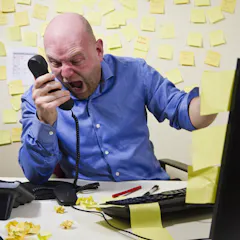
Business Briefing: are our standards dropping in the workplace?
The Conversation22.9 MB (download)
Our workplaces are becoming less formal. But there were some advantages to the old formality.

They can be b***y difficult people but politicians want you to know they give a ts, even if they sometimes talk b*****s.

Be careful about where you try this out.
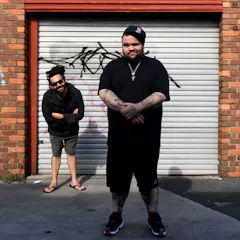
The pervasiveness of profanity in popular culture underscores the absurdity of punishing people for using words broadcast on our screens and heard in our music.

Swearing has often been associated with a lack of intelligence, but studies show that it could be a cleverer use of language than we thought.
As a British judge has just discovered, swearing’s fine … until you do it in the wrong place.
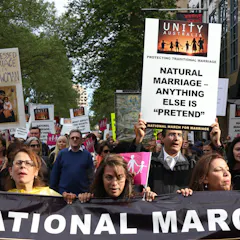
The “Fuck Fred Nile” case highlights the absurdity of criminalising “fleeting expletives” while allowing speech that depicts homosexuality as abnormal, unnatural and sinful.

When translating The 120 Days of Sodom, we had a duty to be just as rude, crude, and revolting as Sade.
What research tells us about the ripest Anglo Saxon. Parental Advisory: explicit content.
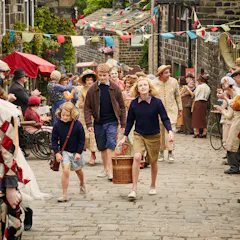
The film’s exchange of Titty for Tatty is very much in line with Victorian censorship of profanities for children.

When Australians went to the Western Front, language failed them. So they invented slanguage: a mix of slang, French words and creative swearing that, among other things, gave us the word “Aussie”.

The word “cunt” has made its way into popular discourse, and while some are still offended by it, it’s nowhere near as outrageous as it once was.
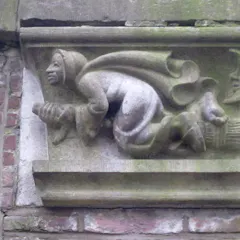
Why did Peter Dutton choose ‘witch’ when describing Samantha Maiden? The word has a long history of misogyny – particularly towards outspoken or powerful women.

The taboo meaning of the f-word is not nearly as common as the use of the word as an “emphatic intensifier”, or in the various idioms.
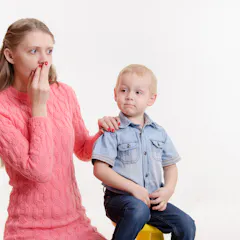
Is children swearing a bad thing? Should I scold him for using words he doesn’t know the meaning of? Should I discourage him from using swear words and refrain from swearing in front of him?
Top contributors
-

Senior Lecturer in Psychology, Keele University
-
Senior Lecturer in Law, University of Technology Sydney
-
Professor of Linguistics, Monash University
-
Roger J. Kreuz is a Friend of The Conversation.
Associate Dean and Feinstone Interdisciplinary Research Professor, University of Memphis
-
Professor of English Language and Literature, University of Oxford
-
Chair in Trust, Professor of Management, The University of Melbourne; Melbourne Business School
-
Professor of Child & Family Social Work, University of Sydney
-
Professor of Information Technology and Organisation, University of Sydney
-
Associate Professor in Linguistics, Macquarie University
-
Doctoral Researcher in Late-Medieval Linguistics and Literature, University of Sheffield
-
Associate Professor of Organisational Behaviour, Bond Business School, Bond University
-
Languages and Linguistics, The University of Melbourne
-
Research assistant, University of Oxford
-
Associate Professor in Literary Studies, Monash University
-
Deputy Head Arts and Media, University of Lancashire