

Bouillons are back! What’s behind the French revival of these cheap and cheerful eateries that started out as canteens for Paris’ hungry, blue-collar workers?
Articles on Supply and demand
Displaying 1 - 20 of 31 articles

Rising housing costs are driving young adults back home – and reshaping careers, relationships and the economy.

Climate agreements are only looking at half of the problem – we need to leave fossil fuels in the ground.

When the price of most types of products goes up, demand for them tightens. Except for a couple of special cases.

Australia’s airline duopoly is already under heavy scrutiny, with domestic airfares up by more than 10% since the demise of Rex. In finals season, they can reach dizzying heights.

Real and perceived economic grievances often fuel extremist groups like Hamas. Here’s how the economic basics of supply provide a way to tackle terrorism.

An expert in high-end collectibles explains why certain items can become valuable – and also how they can lose worth.
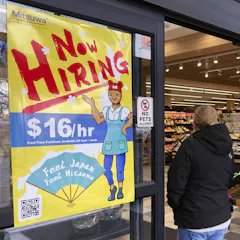
The Fed has been trying to tame employment and wages to keep inflation in check. It ain’t working.

Strikes, climate change and the cost of living are among factors that will affect product availability this winter.
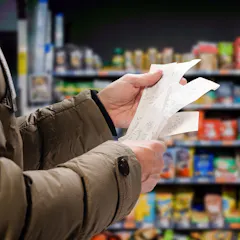
An economist provides insight into how inflation is measured, where it comes from and how it is impacting Canadians and the economy at large.

The latest data shows imports of bottle rockets, sparklers and other fireworks at a record pace, even as consumer demand appears likely to wane. That could create opportunities for patient revelers.
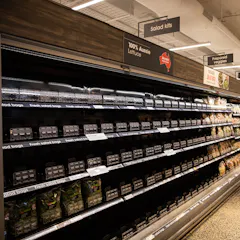
An economist explains why imposing price caps to ensure shoppers can still afford to feed their families healthy food will only make things worse.

The Fed officially began its biggest inflation fight in four decades.

When entire sectors shut down, the demand for energy plummets.

Some of the problems have been easing, but there are lots of reasons to expect more turbulence in the months ahead.

More housing supply doesn’t mean lower prices. If policy-makers want to make homes more affordable, they must tackle developers who drive up prices and consider taxing capital gains on homes.

The black stuff is suddenly much more expensive – the question is whether smallhold farmers will see any of the proceeds.

The COVID-19 pandemic revealed how disruptions to global supply chains could also affect access to health care.

Ironically, it is the “ivory-tower” economists who tend to do the most interesting, and valuable, work.

Shutdowns at microchip factories, panic-buying by electronics manufacturers, and legions of workers and home-schoolers needing new devices, have put a global squeeze on the electronics market.
Top contributors
-

Associate Professor of Business, Boston University
-
Lecturer in Logistics, Technological University Dublin
-
Deputy Director of the HUMLOG (Humanitarian Logistics and Supply Chain Management Research) Institute, Hanken School of Economics
-
Scientia Professor of Economics, UNSW
-
Lecturer in Economics, University of Bath
-
Scientia Professor of Evolution, UNSW
-
Associate Professor, John Molson School of Business, Concordia University
-
Senior Lecturer in Marketing, University of Huddersfield
-
Research Scientist, The University of Texas at Austin
-
Associate Professor, Economics, MacEwan University
-
Professor of Logistics and Supply Chain Management, Director of the Luxembourg Centre for Logistics and Supply Chain Management, University of Luxembourg
-
Professor of Management, Deakin University
-
Associate Professor of Finance, University of Colorado Boulder
-
Honorary Senior Fellow in Health Service Research, University of Birmingham
-
Professor of Agri-Environmental Economics, University of Kent