

It is ‘awards season’ for schools, when students, teachers and families gather for speech days. Research shows giving awards to kids children can be more harmful than helpful.
Articles on Student Achievement
Displaying all articles

Teachers turn to artificial intelligence for help with a variety of tasks. New research reveals which ones − and how − AI can help teachers with the most.
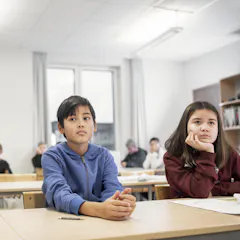
Two education researchers reviewed the evidence on year-round school. Here is what they found.

In 2008 the groundbreaking education book ‘Visible Learning’ was released. A sequel published this month finds teaching is still the most important factor when it comes to student learning

Grades don’t actually measure learning, and they can increase students’ stress and decrease their motivation. A college professor explains an alternative to grading students’ work.

A study compared students’ performance in schools that had banned mobiles and schools that hadn’t. They found students who weren’t allowed to use mobile phones in class had higher test scores.
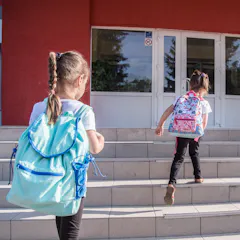
The NSW curriculum review recommends students be assigned tasks based on their ability, rather than their age. This approach recognises the progress individuals make over the course of a year.
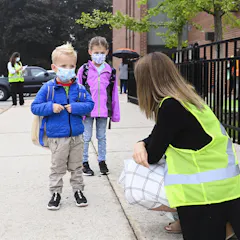
The approach that schools take to addressing how to get students caught up in learning they missed due to COVID-19 school closures may have a lasting impact on this generation.

Democratic plans to boost school funding are rooted in research that shows more funding really does boost achievement for low-income students.
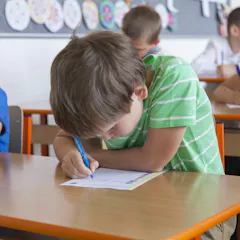
NAPLAN is great at tracking changes over time and between demographics, but not so great at measuring what factors effect change, engagement or creativity.

Eleven states have introduced a new test score. Here’s what you need to know.
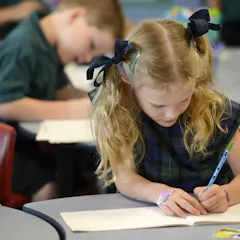
The Grattan Institute’s new report, Widening Gaps, invites us to think differently about how to measure student progress and tackle entrenched inequalities in achievement.
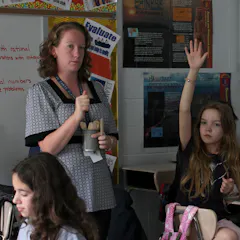
What role does a bit of recognition play for students?

An estimated 838 students per day receive corporal punishment across schools in 19 American states. Why does the practice continue?

There are plenty of signs that teaching as a vocation is in trouble in the US.
Top contributors
-

Lecturer in Arts Education, Western Sydney University
-
Professor of Education Futures, The University of Melbourne
-
Assistant Professor of Public Policy and Education, Vanderbilt University
-
Professor of Education (Educational Theory & Policy), Penn State
-
Chair professor
-
Deputy Dean, School of Education, Western Sydney University
-
Professor of Psychometrics, UMass Amherst
-
Associate Professor of Economics, Carleton University
-
Professor of English, University of Richmond
-
Professor of Law, University of South Carolina
-
Associate Professor of Elementary and Middle School Education, Mississippi State University
-
Consultant, Australian Council for Educational Research
-
Consultant, University of Toronto
-
Contract Lecturer, Department of Education and Department of Interdisciplinary Studies, Lakehead University
-
Professor, Melbourne Graduate School of Education, The University of Melbourne