

KitKat’s success proves we have moved beyond the era of one-way communication and into the era of “navigating moments”.
Articles on Spillover
Displaying all articles

A 25-year-old local scientist captured rare footage showing how one of the world’s deadliest viruses could jump from bats to humans.
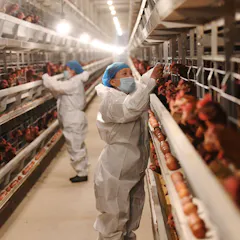
At the viral chatter stage of an outbreak, pathogens are just starting to infect people in sporadic bursts. It’s a sign that a pandemic may be on the horizon.
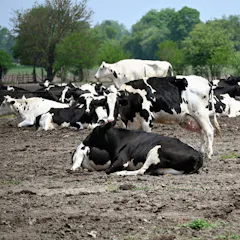
Raw milk can carry many dangerous germs − now including the H5N1 virus that causes avian flu.
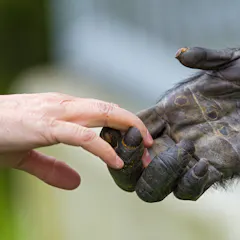
Infectious diseases can spill over from animals to humans as well as spill back. Each cross-species transmission gives pathogens a chance to evolve and spread even further.
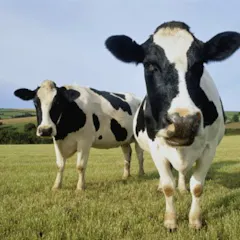
The H5N1 virus has infected about 900 people since 2003, and more than half of them died. But so far there is no evidence of human-to-human transmission.

Viruses can get into cells in several ways. Figuring out how to stop them from entering in the first place is a key to developing better vaccines and stopping future pandemics.
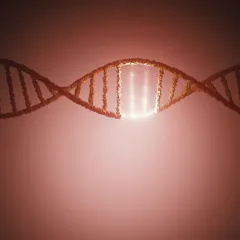
From cancer immunotherapy and antibiotics to GMO crops and pandemic surveillance, gain of function is a cornerstone of basic research.

From September onwards, migratory birds will arrive on Australian shores. If one is carrying the lethal bird flu, it could devastate our birdlife

Avian influenza viruses have evolved to infect birds, but the current H5N1 outbreak is also infecting a wide range of mammals. This suggests that it could mutate into forms that threaten humans.
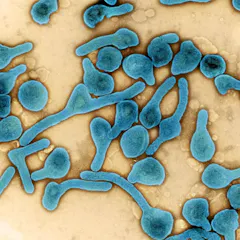
The Marburg virus, a close cousin of Ebola, currently has no approved treatments or vaccines to protect against it.

A biologist who studies how viruses spread from animals to people explains the process of spillover and the risks posed by the new bird flu that has spread across the globe.

Hospitals are more risky than farms when it comes to the spread of the Klebsiella superbug.
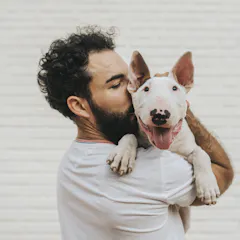
The monkeypox virus can easily spread between humans and animals. A veterinary virologist explains how the virus could go from people to wild animals in the US – and why that could be a problem.
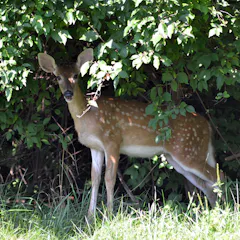
Scientists have been testing captive and wild animals for the coronavirus since the pandemic began. Only a few wild species are known to carry the virus, but many more have been shown to be susceptible.
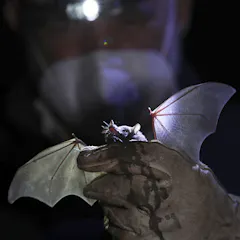
It’s more evidence a lab leak is very unlikely.
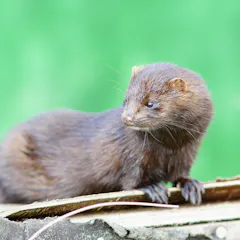
COVID-19 has been found in pets, zoo animals and in a wild mink in Utah. Monitoring wildlife for COVID-19 is important for animals and humans, both of whom face risks from a jumping virus.
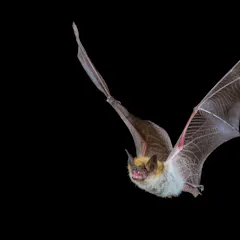
Bats get a lot of negative press, but they also make positive contributions to the environment and to our lives.

Bringing firms and talent together can have a significant payoff beyond the basic submarine build.
Top contributors
-

Professor of Microbiology, Boston University
-
Associate Professor | Director, DNA Zoo Australia, The University of Western Australia
-
Research Assistant Professor of Microbiology, Boston University
-
University Distinguished Professor of Microbiology, Immunology, and Pathology and Director of the One Health Institute, Colorado State University
-
Professor of Infectious Disease and Global Health, Cummings School of Veterinary Medicine, Tufts University
-
Professor of Chemistry and Biomedical Engineering, Georgia Institute of Technology
-
Research Fellow, The Cente for Applied Genomics — Sickkids Hospital, University of Toronto
-
Professor of Microbial Evolution at The Milner Centre for Evolution, University of Bath
-
PhD Student in Molecular, Cellular and Developmental Biology, University of Colorado Boulder
-
Associate Professor of Microbiology and Immunology at Emory University, University of Pittsburgh
-
Professor, University of Technology Sydney
-
Professor of Molecular, Cellular and Developmental Biology, University of Colorado Boulder
-
Associate Professor of Microbiology, Immunology and Pathology, Colorado State University
-
Postdoctoral Fellow in Microbiology, Colorado State University
-
Senior Research Scientist, Boston University