

Chaos at the CDC and the sharp move away from mRNA vaccines has public health experts alarmed.
Articles on Spike protein
Displaying 1 - 20 of 34 articles
Yet another new COVID booster has recently been approved by the TGA. Here’s what to know about the JN.1 shot.

Waiving patent rights on COVID-19 vaccines and drugs is still crucial to ensure access globally, but the waiver on the table at the June World Trade Organization meeting doesn’t do the job.

Your blood can hold a record of past illnesses. That information can reveal how many people have had a certain infection – like 58% of Americans having had COVID-19 by the end of February 2022.
Existing coronavirus vaccines are not as effective against newer variants of the virus. Two vaccine experts explain how new vaccines currently in development will likely offer better protection.

It feels like everyone around you has or is recovering from COVID. Maybe you’re fatigued and wondering if it’s an after-effect? Antibody tests could confirm it one way or another.

Without genome sequencing, we would be blind to new variants of COVID-19. As Omicron surges in New Zealand, the sequencing focus is shifting to learning about what causes severe or long-term disease.
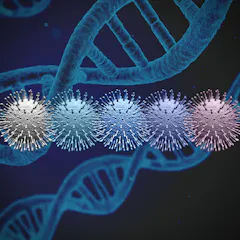
One of the ways the Omicron variant is different from other variants is the sheer number of mutations in the spike protein. Does this make it a super-variant?

The new omicron variant of coronavirus has a number of mutations that may require manufacturers to update vaccines. The unique attributes of mRNA vaccines make updating them fast and easy.
But the immune cells that vaccination spurs do last a long time.
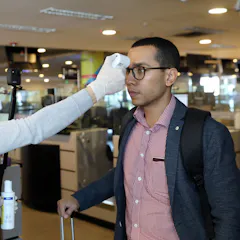
We shouldn’t be too worried about Mu. It’s reassuring that despite being around since January, it doesn’t seem to be outcompeting Delta.
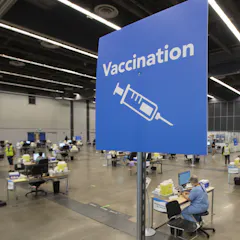
A medical student answers questions he gets asked at a COVID-19 vaccine clinic: Efficacy versus real-world effectiveness, immune response and how the mRNA vaccines compare to vaccines already in wide use.
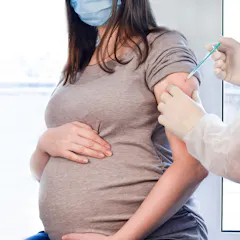
A COVID-19 vaccine does not cause infertility – but it can protect you from the dangerous complications of contracting the virus.
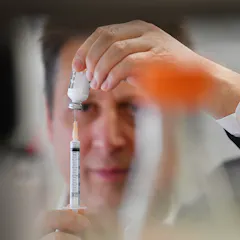
While it’s potentially promising, there’s not enough information yet to determine if the vaccine is safe and effective.
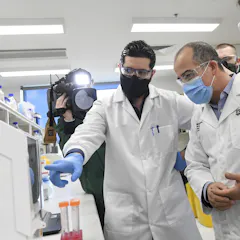
The vaccine works by the same principles as the Pfizer and Moderna vaccines, and could be manufactured in Australia.
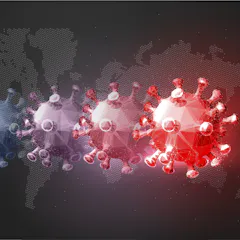
The Delta variant: What it is, where it came from, why it’s different and whether COVID-19 vaccines can prevent it.

As the US vaccinates millions more people each day, the novel coronavirus works to survive. It does this by mutating. So far, several variants are worrisome. A virologist explains what they are.
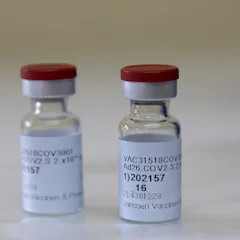
The Johnson & Johnson vaccine is different from the Moderna and Pfizer vaccines in a few important ways that could make it a huge help to global vaccination efforts.
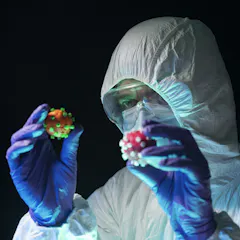
The virus is evolving and new strains are more transmissible. Will the vaccines work against these new variants? How can researchers stay ahead of the virus’s evolution?
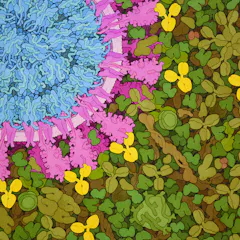
A biologist explains what proteins do in viruses, how they interact with human cells, how the vaccine delivers mRNA into the cell and how antibodies protect us.
Top contributors
-

Professor of Medicine, University of Virginia
-
Instructor of Human Immunology, Emory University
-
Professor of Microbiology, School of Medicine, University of Washington
-
Professor, Infectious Diseases and Microbiology, The University of Queensland
-
Professor of Pharmaceutical Sciences, University of Colorado Anschutz
-
Postdoctoral Scholar in Medicine, University of California, San Francisco
-
Associate Professor of Biology, Rochester Institute of Technology
-
Associate professor, Pathobiology, University of Guelph
-
Professor of Pharmacology, University of Arizona
-
Clinical Research Fellow in Viral Immunology and Veterinary Surgeon, University of Cambridge
-
Assistant Professor/Canada Research Chair in emerging viruses, University of Manitoba
-
Postdoctoral fellow, McGill University
-
Associate Professor and ARC Future Fellow, The University of Western Australia
-
Professor of Biological Sciences, Purdue University
-
Research associate, Warren Alpert Medical School, Brown University, Brown University