
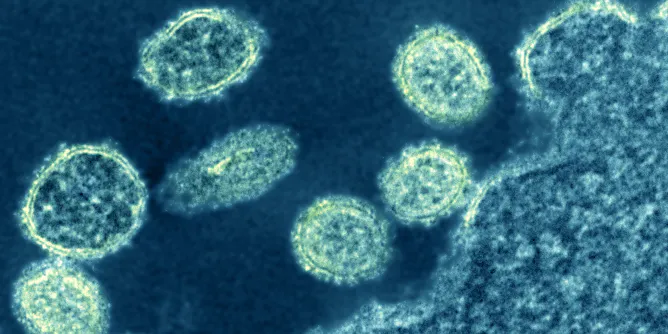
Pandemic and bird flu viruses are more deadly than seasonal flu. Scientists may have finally discovered why.
Articles on Spanish flu
Displaying 41 - 52 of 52 articles

In the event of pandemic flu, poor countries will suffer the most.
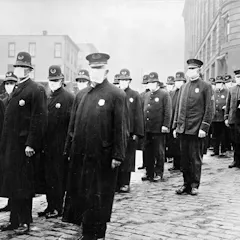
For nearly 50 years academic and popular writers ignored the 1918 Spanish flu pandemic. A hundred years later, historians can’t get enough of it.
More than 16 million people lost their lives in world war one. Over a century later, we are still asking – for what?
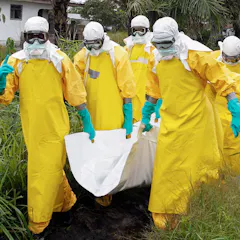
The obesity epidemic, the flu epidemic, the opioid epidemic… in the 21st century, everything seems to be an “epidemic”. But what does the term actually mean?
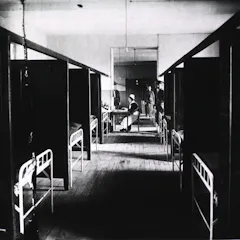
One hundred years after a strange and devastating pandemic, researchers comb for clues in dusty libraries, church records and long- forgotten books.
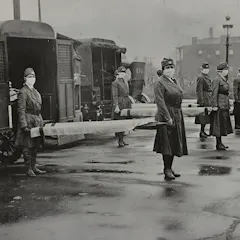
With many men ‘missing’ from the population in the aftermath of the 1918 flu, women stepped into public roles that hadn’t previously been open to them.
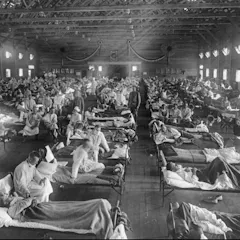
Don’t believe these 10 common myths about the 1918 Spanish flu.

Speaking with: Dr. John Gerrard on infectious diseases
The Conversation, CC BY-ND23.2 MB (download)
William Isdale speaks to Dr. John Gerrard about the constant threat of infectious diseases and what we can do to prevent a deadly pandemic from establishing itself in Australia.

How is it the flu has managed to stay around for so long, and why haven’t we beaten it yet?

One of the biggest recent controversies in medicine involves the effectiveness of the antiviral drug Tamiflu. Governments have stockpiled the drug but many have raised doubts about its usefulness.
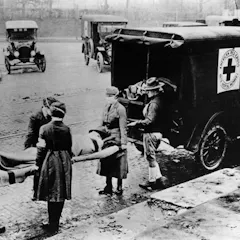
The great influenza pandemic of 1918-19, often called the Spanish flu, caused about 50 million deaths worldwide; far more than the deaths from combat casualties in the World War One (1914-18). In fact…
Top contributors
-

Senior Lecturer in Journalism, City St George's, University of London
-
Director, Vice-Chancellor's Centre of Public Ideas (CoPI) and Donald Horne Professor of History and Public Ideas, University of Canberra
-
Assistant Director of the Center for the History of Medicine, University of Michigan
-
Chancellor's Professor of Medicine, Liberal Arts, and Philanthropy, Indiana University
-
Professor, Roskilde University
-
Senior Research Scientist, National Institutes of Health
-
Associate Professor, School of History, ANU / Chercheur Associé at the Centre d’Histoire de Sciences Po, Australian National University
-
Adjunct Fellow, T.C. Beirne School of Law, The University of Queensland
-
Honorary Professorial Fellow, The University of Melbourne
-
PhD candidate, UNSW
-
Professor of Global Biosecurity, NHMRC L3 Research Fellow, Head, Biosecurity Program, Kirby Institute, UNSW
-
Senior Lecturer, Infectious Diseases Epidemiology and Control, UNSW
-
Associate Dean For Global One Health, College of Veterinary Medicine & Biomedical Sciences; and Director, Pandemic and Biosecurity Policy Program, Scowcroft Institute for International Affairs, Bush School of Government and Public Service, Texas A&M University
-
Professor and Director of Doherty Epidemiology, The University of Melbourne
-
Associate Professor, Epidemiology, Deakin University