
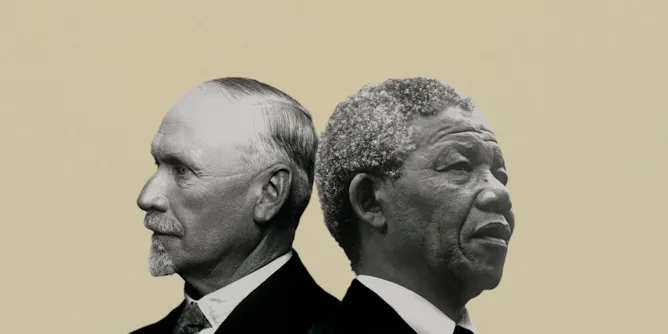
Whereas Jan Smuts was to be largely forgotten after his defeat in South Africa’s 1948 election, Nelson Mandela became an international icon.
Articles on South African history
Displaying 21 - 40 of 113 articles
Chabani Manganyi’s courage in challenging the status quo has inspired generations of psychologists, scholars and activists who continue to use his ideas in their work.

It’s important that this brutal chapter in South Africa’s past be commemorated in the right spirit, to reflect, take stock and to heal.
The authors of Joe Modise’s biography set out to debunk smears against him.
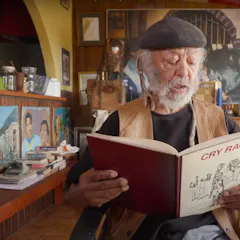
Despite being detained by the apartheid government and his work being banned, Matthews never stopped writing truth to power and was celebrated around the world.
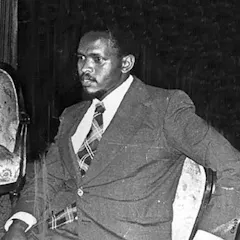
Steve Biko married reason with proselytising in ways that made him an excellent organiser. He understood the importance of organising and the need for faith in action.

Rick Turner and Steve Biko both critique the limitations of white liberalism, arguing that it fails to address the root causes of oppression.
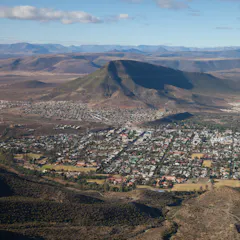
83.6% of the 367 residents in the survey said that they did not want the historic town’s name to be changed.
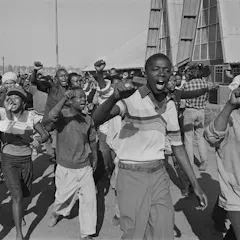
Echoes of Southern African Independence is an audio archive project that brings history alive in a fresh and unique way.
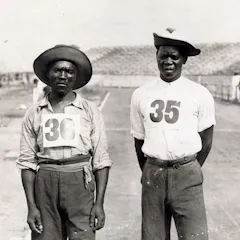
Jan Mashiani and Len Tau apparently found themselves in the US in 1904 as part of a world’s fair displaying ‘savages’.
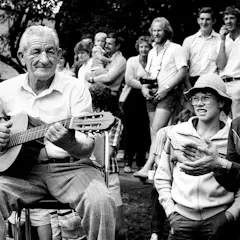
Ordinary Whites in Apartheid South Africa is a new book that explores how apartheid monitored and shaped white life, and how all classes of white people were complicit.
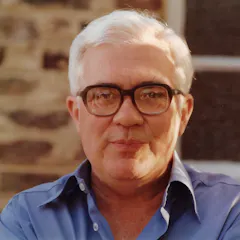
Ravan Press published many black authors who wrote against apartheid, leading to Peter Randall being banned by the state.
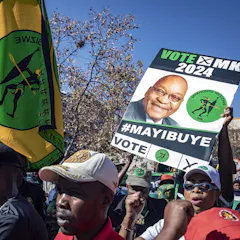
Former president Jacob Zuma’s MK Party borrows the slogan “mayibuye” from the liberation party to make a point about the ruling African National Congress.

Eugen Sandow’s visit to South Africa in 1904 was a triumph of colonial display and racism. Despite its prejudices it influenced the development of bodybuilding in South Africa.
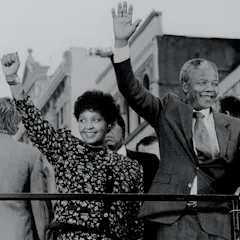
Would South Africa have been torn apart by civil war without the myth of Nelson Mandela?

Eddie Webster inspired generations of scholars with his vision and practice of critically engaged scholarship, in South Africa and worldwide.
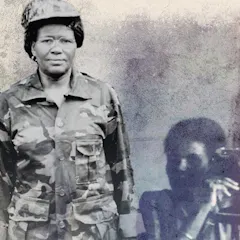
The interviews in this book offer firsthand insights into women’s participation in the armed struggle against apartheid.
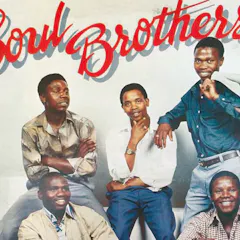
The book tells the inside story of how they changed the sound of urban pop.

Coca-Cola has often been entangled with key political moments in Africa since its arrival in the early 1900s.
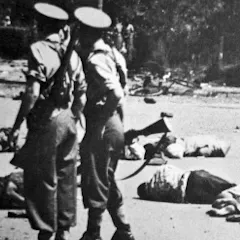
Despite its historic importance, Sharpeville itself has remained unknown and its residents anonymous, yet they have a story to tell.
Top contributors
-

Political Scientist, University of the Western Cape
-
Associate Professor Sport History, Stellenbosch University
-
Associate of the Gordon Institute for Business Science, University of Pretoria
-
Lecturer, University of Cape Town
-
Professor of Political Studies, University of Johannesburg
-
Research Director: Developmental, Capable and Ethical State (DCES) research division, and Coordinator of the South African Social Attitudes Survey (SASAS), Human Sciences Research Council
-
Professor of Sociology, University of the Witwatersrand
-
Senior Lecturer, Applied Language and Literacy Studies, University of Cape Town
-
Professor and Head of Department of Political and Conflict Studies, Nelson Mandela University
-
Lecturer, Culture and Media department, Birkbeck, University of London
-
Professor of History, University of Botswana
-
Professor in Genetics, University of Pretoria
-
Chief Research Specialist., Human Sciences Research Council
-
Chief Research Manager, Human Sciences Research Council
-
Senior lecturer in African Studies, Yale University