
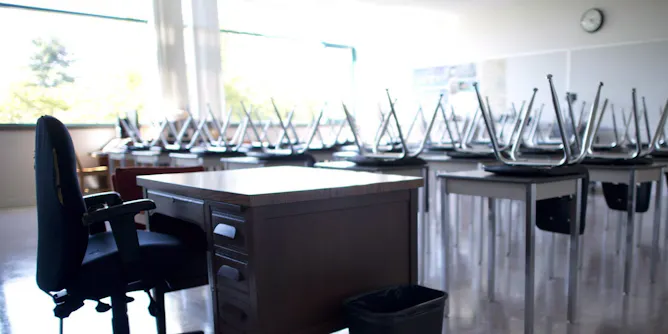
Difficult stories are not obstacles to democratic education. Learning how to communicate about them are conditions for it.
Articles on Social studies
Displaying all articles
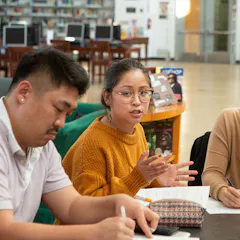
Social studies education demands sustained engagement with difficult knowledge and a heightened sense of obligation to both students and society.
Critical thinking involves specific skills for assessing evidence, but background knowledge about the subject is also essential.
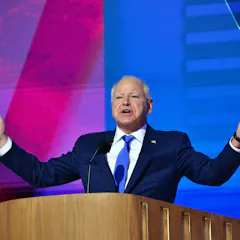
Gov. Tim Walz used geographic information systems as a schoolteacher. How will that experience come into play if he and Kamala Harris win the White House in November?

Alberta’s new social studies curriculum misses the mark on child development, lacks adequate opportunities for critical thinking and neglects teaching about colonization.
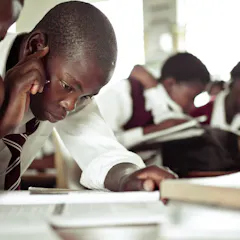
There’s more to effective teaching than just implementing school policies.
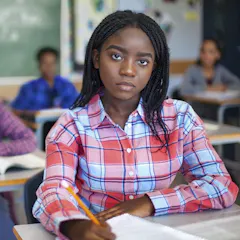
A history scholar sees leeway and loopholes in a wave of new state laws that seek to control what teachers can say about racism in America’s past.
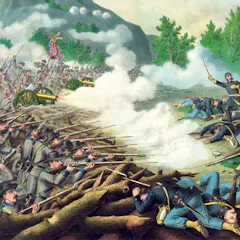
There was one central reason the Civil War happened.
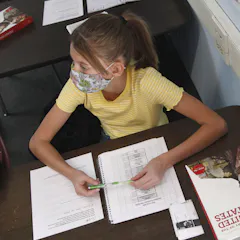
From the founding of the U.S., public schools were seen as a key way to develop an informed, active citizenry. Social studies educators struggle to achieve that goal today.

Tight funding and COVID-related limits on face-to-face contact have forced academics to find other ways to expose students to the real-life work they are preparing them for.
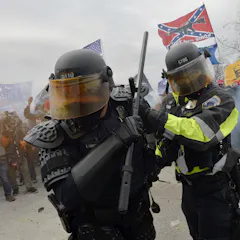
Teachers shouldn’t avoid this topic, no matter how uncomfortable it might make them to discuss it with children and teens.
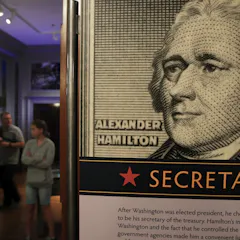
Teachers grappling with how to teach current events at divisive times should emphasize history, study original sources and address polarization.
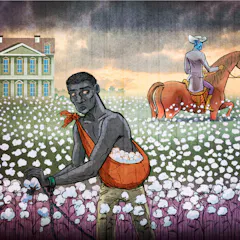
A former social studies teacher lists three ways educators and others can better understand the difficult subject of slavery in the US, including a way to hear directly from freed slaves themselves.

A former middle school teacher offers a series of tips on how educators can teach young people to engage in more civil discourse.
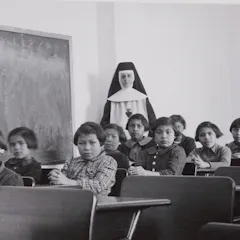
Ontario’s move to ignore the calls of the Truth and Reconciliation Commission to add Indigenous content to its history and social studies curriculum is foolish and dangerous.

A new mentorship program uses fiction to teach children’s rights, and to help kids understand and prevent bullying.
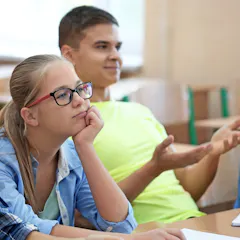
High school students in America learn two very different perspectives on World War I in their U.S. and world history classes. But which of these competing viewpoints should take center stage?
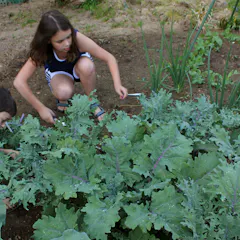
School garden projects are becoming hugely popular. Over 25 percent of public elementary schools include garden-based learning. Do these gardens improve the education and health of young people?
Top contributors
-

Assistant Professor of Secondary Social Studies, West Virginia University
-
Associate Professor of Education, Michigan State University
-
Associate Professor of Education, North Carolina State University
-
PhD Candidate, Faculty of Education, University of Manitoba
-
Director, National Center for School Crisis and Bereavement, University of Southern California
-
Assistant Professor, University of The Fraser Valley
-
Werklund Research Professor of Education, University of Calgary
-
Professor of Elementary Education, Mississippi State University
-
Senior Lecturer in Social Work, University of Wollongong
-
Professor of History, University of North Carolina at Chapel Hill
-
Professor and Chair of History Department, Colorado State University
-
Researcher in TESOL & Literacy, University of Notre Dame Australia
-
Research professor of geospatial technology, The Fletcher School, Tufts University
-
Professor of Practice & Director, Fletcher Maritime Studies Program, The Fletcher School, Tufts University
-
Assistant Professor of Teaching, Learning and Educational Leadership, Binghamton University, State University of New York