

Alberta’s new social studies curriculum misses the mark on child development, lacks adequate opportunities for critical thinking and neglects teaching about colonization.
Articles on Social studies curriculum
Displaying all articles

A history scholar sees leeway and loopholes in a wave of new state laws that seek to control what teachers can say about racism in America’s past.
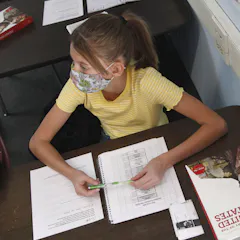
From the founding of the U.S., public schools were seen as a key way to develop an informed, active citizenry. Social studies educators struggle to achieve that goal today.
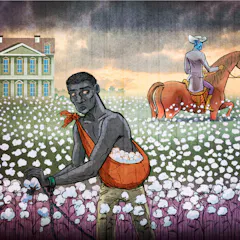
A former social studies teacher lists three ways educators and others can better understand the difficult subject of slavery in the US, including a way to hear directly from freed slaves themselves.

A former middle school teacher offers a series of tips on how educators can teach young people to engage in more civil discourse.

A new mentorship program uses fiction to teach children’s rights, and to help kids understand and prevent bullying.

History movies may have Oscar potential, but their educational potential is more complicated. Should teachers use Hollywood to teach?

High school students in America learn two very different perspectives on World War I in their U.S. and world history classes. But which of these competing viewpoints should take center stage?
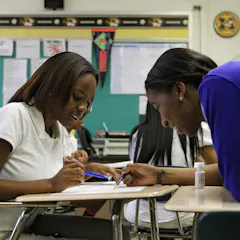
Only about 40-45 percent of 18-to-29-year-olds turned out to vote in the 2012 election. Civic education can improve youth turnout. But civic education itself remains neglected in US schools.
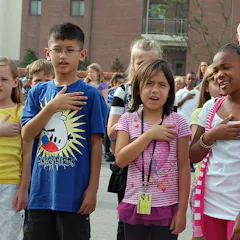
Ninety-seven percent of high school seniors have studied civics in school. While they can recall facts, they are unable to apply that knowledge to current politics. Why is that?
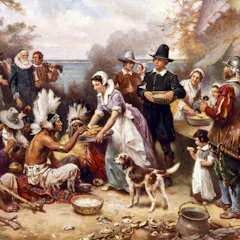
American textbooks confine the history of indigenous peoples to a distant past.
Should history textbooks be revised to include Native American voices?
Top contributors
-

Tisch College Associate Dean for Academic Affairs and Lincoln Filene Professor, Tufts University; Institute for Humane Studies
-
Assistant Professor of Secondary Social Studies, West Virginia University
-
Assistant Professor, University of The Fraser Valley
-
Associate Professor of Education, Michigan State University
-
Associate Professor of Education, Penn State
-
Werklund Research Professor of Education, University of Calgary
-
Professor of History, University of North Carolina at Chapel Hill
-
Deputy Director at CIRCLE, Tufts University
-
Professor of Elementary Education, Mississippi State University
-
Assistant Professor, Social Studies Education, Penn State