

Research shows that social isolation plays a major role in quality of life and risk of death in people with COPD.
Articles on Social connections
Displaying all articles

The rest of the internet can learn a lot from online ‘informal networks’.
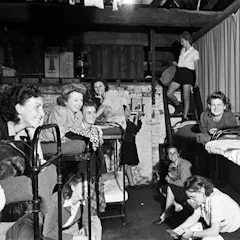
Youth hostels can play a key role in blurring class lines and connecting travellers to both each other and the places they visit.
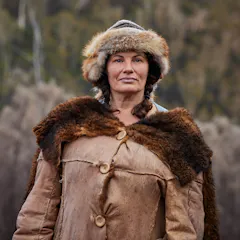
Is winning about mental toughness? How about coping with social isolation? Or will it be the one who’s in awe of a sunset?

While educators in Netflix’s ‘Matilda the Musical’ aren’t meant to be blueprints for contemporary teaching, they suggest the powerful ways attentive adults can make a difference in children’s lives.

Valentine’s Day can be isolating for people who aren’t in romantic relationships. But research shows there are benefits to remaining single.

Psychology researchers know what kinds of behavior enhance feelings of social connection.

Research suggests that an important question parents can consider with pre-teens and teens is: “What are you doing online and how is it making you feel?”
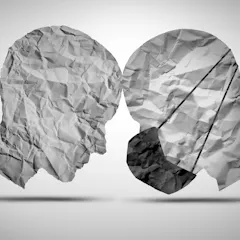
Multiple factors determined whether or not individual Americans adopted COVID-19 safety measures, according to statistical analysis of public opinion data.

Maasai in Tanzania use their mobile phones all the time – usually to communicate with people they already know. But dialing errors can also breed friendships and business opportunities.
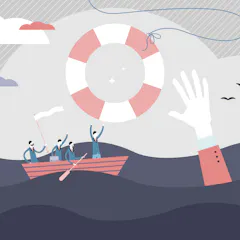
Leading minds in behavioural and social sciences share perspectives on changes ahead and give advice how to make it through the pandemic.
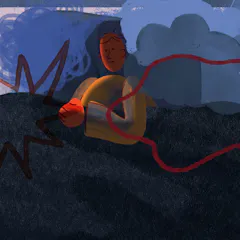
People who hear voices are six times more likely to feel lonely.

The routine of life has been disrupted for most people as they stay at home to slow down the further spread of the coronavirus. A scholar who studies boredom offers some helpful tips.
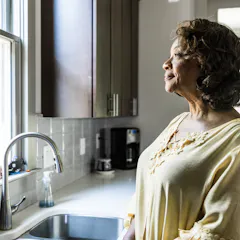
Physically isolating yourself can feel psychologically isolating too. But there are ways to maintain connections in these crazy coronavirus times.

What matters to women as they grow older, as the city’s population changes and urban development continues apace? You don’t know unless you ask them – and they have so much to contribute.
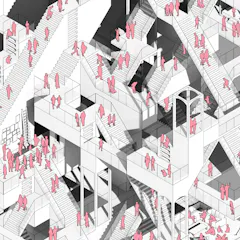
The cities we build in turn shape our society. So when so many of us feel lonely, we should aim to apply what we know about the social impacts of design to help people connect with each other.
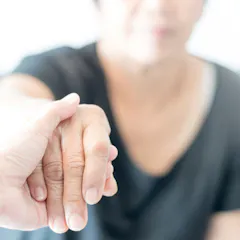
More than 16 million people in the U.S. take care of people with dementia. Could we learn something from how other cultures view dementia as more of a social disease rather than a lonely one?
Top contributors
-

Chancellor's Professor of Medicine, Liberal Arts, and Philanthropy, Indiana University
-
Medical student, Indiana University
-
Lecturer of Urban Design and Co-convener, Just URBAN, University of Sheffield
-
Associate Professor of Geography, Virginia Tech
-
Professor of Anthropology, University of Colorado Boulder
-
PhD Student in Human Development, Learning and Culture, University of British Columbia
-
Adjunct Lecturer, Department of General Practice, Monash University
-
Lecturer in Interdisciplinary Environmental Anthropology and Human Ecology, UCL
-
Associate Professor of Geography, University of Alabama
-
Director of the Center for the Science of Social Connection, University of Washington
-
Assistant Professor of Sociology, University of South Florida
-
Adjuct Faculty University of Guelph, Former Chair, Early Childhood Studies and Founder of The Love Model Inc.
-
Assistant Professor of Psychology, University of Florida
-
Professor of Psychology, University of Waterloo
-
Community Faculty in Psychology, Metropolitan State University