
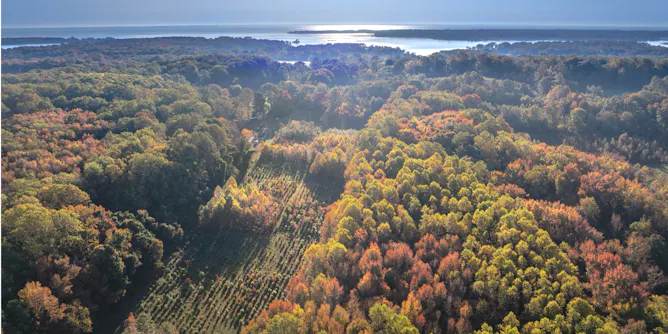
The tree mix matters. Near Chesapeake Bay, scientists have been experimenting with mini-forests for over a decade. The surprising results show how biodiversity pays off.
Articles on Smithsonian
Displaying all articles
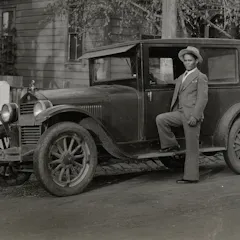
A trove of century-old belongings − from farm tools to pillowcases − tells the story of Filipinos who migrated to California to build a new life, a journey now honored in a Smithsonian exhibition.
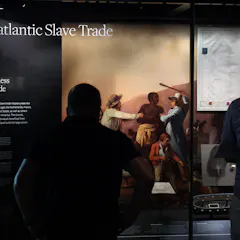
Abolitionists used hard facts to counter pro-slavery propaganda, forcing indifferent Americans to face ugly realities.

There’s another, lesser-known reason Trump’s attacks on the important institution have ramped up in recent months.
Measurement standards underlie most fields of science – without them, researchers couldn’t compare the results of different studies.

An executive order critiques the idea that race is a human invention. But that’s exactly what modern science supports.
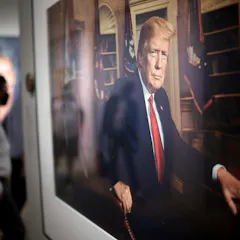
Most recent debates center on how much attention should be given to the history of the nation’s accomplishments over its darker chapters.
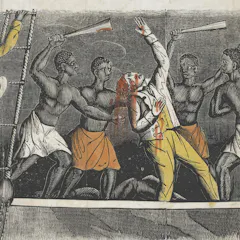
Portraits of enslaved people from the 19th century are unusual. But a Connecticut artist named William H. Townsend decided to draw the rebels as they stood trial, leaving behind an invaluable record.

Disaster recovery isn’t just about repairing bridges, roads and homes. Conservationists from the Smithsonian were on the ground in North Carolina helping families piece their lives back together.

The Whigs started holding political conventions in the 1830s − and historians from the Smithsonian who visited the GOP and Democratic conventions this year found the tradition is still very vibrant.

Will there be Minnesota hot dish hats worn at the upcoming Democratic National Convention? Curators from the Smithsonian will be there, looking for both routine and unconventional campaign items.

Much like the history of the US, Joel Roberts Poinsett, after whom the poinsettia is named, had a complicated and troubling history.
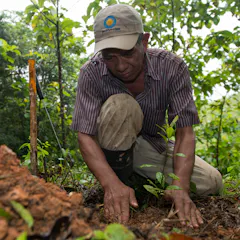
It might seem counterintuitive to suggest timber harvesting when the goal is to restore forests, but that gives landholders the economic incentive to protect and manage forests over time.

US museums have sought to improve their diversity, equity and inclusion for decades, but progress has been slow.

The flamboyant big-cat aficionados of the Gilded Age weren’t strangers to fierce competition, threats and bizarre drama.
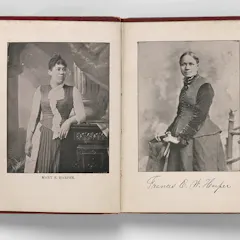
A 19th-century volume contained a mystery for two historians who combined their knowledge to tell the story of the women and their contributions to American democracy.
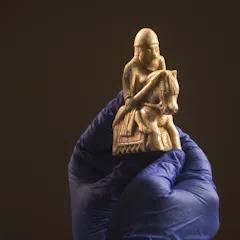
An ivory ban in the US had a series of unintended consequences.
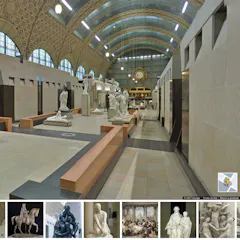
Do you fancy a virtual stroll through the Musee D'Orsay or printing your very own Vermeer? Technology is transforming museums in a myriad of ways.
Top contributors
-

Political History Curator, Smithsonian Institution
-
Political History Curator, Smithsonian Institution
-
Political History Curator, Smithsonian Institution
-
Curator of Asian Pacific American History, Smithsonian Institution
-
Postdoctoral Fellow of History, University of South Carolina
-
Historian, National Portrait Gallery, Smithsonian Institution
-
Staff Scientist and Director, Agua Salud Project, Smithsonian Institution
-
Director of the Art and Museum Studies MA Program and Professor of the Practice, Georgetown University
-
Associate Professor of History, Miami University
-
Associate Professor of Environmental Science, National University of Singapore
-
Society of Black Alumni Presidential Professor and Professor of History, Johns Hopkins University
-
Objects Conservator, Smithsonian Institution
-
International Cultural Heritage Protection Program Manager, Smithsonian Institution
-
Historian of Global Slavery, Smithsonian Institution
-
Professor of History, Wesleyan University