
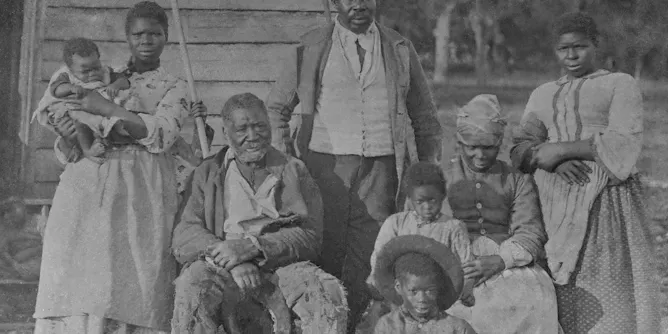
On Juneteenth, the day that commemorates the ending of slavery in the US, a historian dispels myths about the ‘peculiar institution’ of slavery.
Articles on Slavery
Displaying 341 - 360 of 426 articles
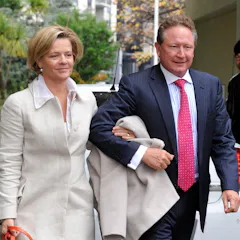
Any proposed solution to the problem of modern slavery must engage with the business community and government policies on migration and migrant labour.
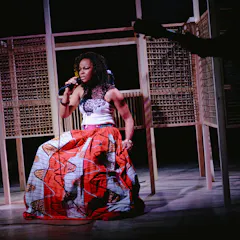
A new art exhibition in Johannesburg mines the rich intersections between Mozambique, South Africa and Portugal.

Cyntoia Brown was just 16 years old when she shot and killed a man in 2004. Under Tennessee law, she won’t be eligible for parole until she is 67 years old. Is such a harsh sentence constitutional?
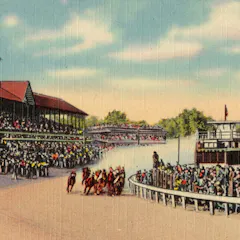
Black jockeys won more than half of the first 25 runnings of the Kentucky Derby. Then they started losing their jobs.

An online database explores the nearly 36,000 slave voyages that occurred between 1514 and 1866.
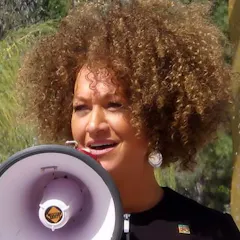
To understand the full context of Rachel Dolezal’s ‘transracialism’ it pays to look at the history of race and slavery.

Migrants keep going back to the vilified go-betweens that can get them construction jobs or domestic work.
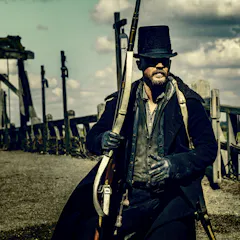
The BBC’s Taboo is a timely reminder of the violent origins of globalisation, but its villains allow the viewer to disassociate imperial misdeeds from mainstream British history.
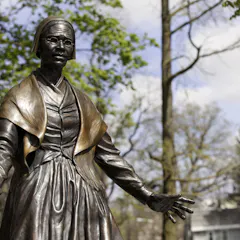
Since the 19th century, a long line of black women preachers set in motion a tradition that spoke against injustices and questioned patriarchal attitudes. Here’s their story.
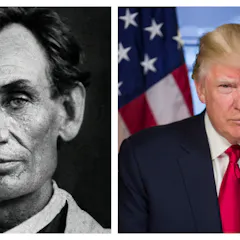
The most hated president in US history could teach our new leader a few things.
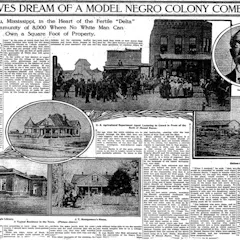
American slaves couldn’t hold property – including patents on their own inventions. But that didn’t stop black Americans from innovating since the beginning of the country’s history.
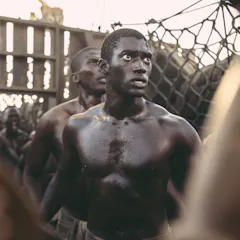
The mondo film, for all its faults, encapsulates our tangled responses to the darkest moments of our collective history.
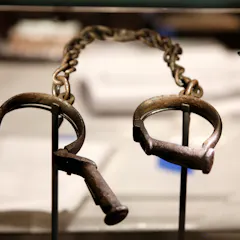
In the 19th century, slaveholders advertised widely for runaway slaves and often hired men to track and capture fugitives. African-American communities offered sanctuary space to the runaways.
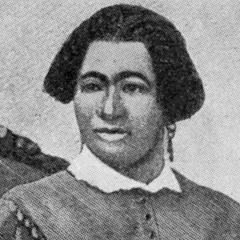
In the 19th century, critics and audiences thought blacks were incapable of singing as well as their white, European counterparts. Greenfield forced them to reconcile their ears with their racism.

A scholar quotes Biblical passages to show how the text affirms – strongly and unequivocally – the obligation to treat strangers with dignity and hospitality.

In the era of neoliberal capitalism, both the ideology of Pan-Africanism and the legacy of the Trans-Atlantic slave trade have become marketable commodities.
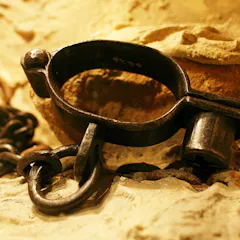
It is possible to trace the links between patriarchy, violence, gender roles, and the state further into the past. It’s also possible to trace the ongoing resistance to these by some women.
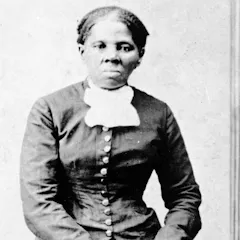
A growing roll call of books, films and television shows are focusing on the legacy of slavery.
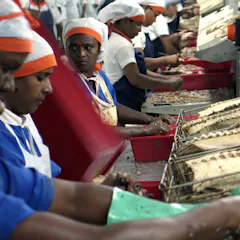
Slavery, indenture and industrialisation have all contributed to Mauritius’ multiculturalism - and to its deep social tensions.
Top contributors
-

Canada Research Chair, Professor in Performance, Toronto Metropolitan University
-
Professor of History, Arizona State University
-
Professor of History, McGill University
-
Professor Emeritus, Department of Political Science, Wilfrid Laurier University
-
Professor of History, William & Mary
-
Professor of Critical Race and Ethnic Studies, Miami University
-
Associate Professor, Oxford School of Global and Area Studies/ History, University of Oxford
-
Professor of Practice in Education, Clark University
-
Chancellor's Fellow, University of Edinburgh
-
Professor and Chair of History Department, Colorado State University
-
PhD Candidate, Social Justice Education, Ontario Institute for Studies in Education, University of Toronto
-
Emeritus Professor of Social Justice, University of Hull
-
Professor of Religious Studies, College of the Holy Cross
-
Professor, Faculty of Law, University of Technology Sydney
-
Professor of History and Michael Douglas Dean of Humanities and Fine Arts, University of California, Santa Barbara