
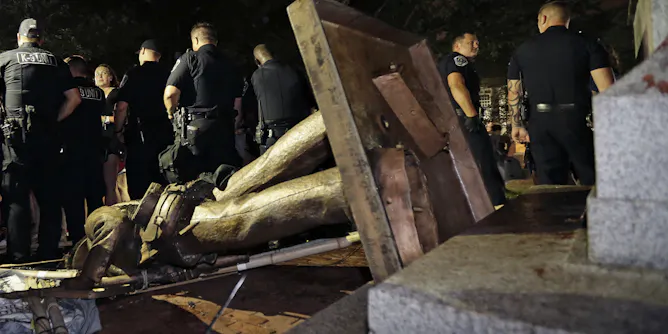
Toppling statues devoted to Confederate soldiers may be a joyous moment for protesters who fight white supremacy, but after the statues fall, structural racism remains, a scholar on slavery argues.
Articles on Slavery
Displaying 301 - 320 of 426 articles

Merchants from Brazil, Cuba, North America and the British West Indies traded goods grown by slaves on plantations, for more slaves.
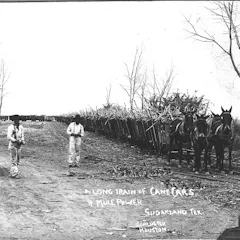
An African-American burial ground uncovered at a construction site in Texas has ignited debate on how to protect black history as suburban sprawl overtakes rural areas once farmed by enslaved workers.

The seafood industry is a major contributor to modern slavery.
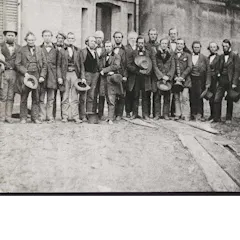
Two men were convicted in 1859 of violating the Fugitive Slave Act. They had rescued a runaway slave from slave hunters in Ohio, one of the small acts of resistance that led to the Civil War.

The US has a long history of separating families. Research shows the long-term effects of that trauma.

In an exclusive interview, Professor James Scott discusses anarchism and State resistance by so-called “powerless” actors. Excerpts for The Conversation France.
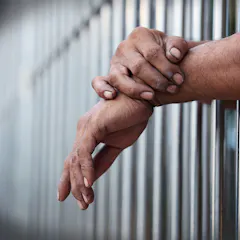
Just as with so many other criminal justice policies, pretrial detention disproportionately affects African-American men and women, destabilizing black families in the process.
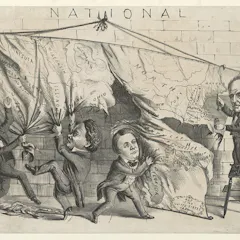
Lincoln’s description of the Union as a house divided is well-remembered today. But many Americans fail to heed its lessons about equality and the moral foundations of popular government.
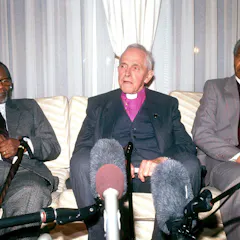
Bishop Huddleston’s criticism of Enoch Powell’s incendiary “Rivers of blood” speech was both a history lesson and a call to action against racism.
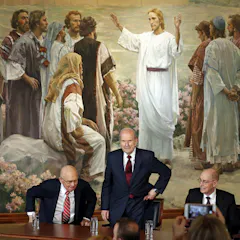
Forty years ago, the Mormon church reversed restrictions on its members of African-American descent. Today, the church wants to celebrate the value of its diversity.
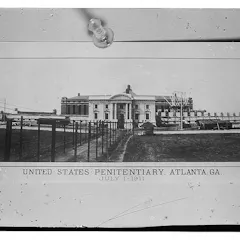
Digitized state records help to tell the stories of African-American prisoners in the 19th and 20th century.

The dynamic between the master and the slave dominates accounts of AI at the moment.
A furious Twitter row between a TV personality and South African politician about slavery sheds light on the failings of arguments in 280 characters.

The lead villain of Black Panther is a complex character who represents years of conflicting debates among African American leaders about how to achieve Black liberation.
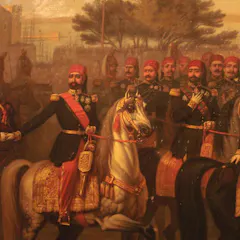
When we think of migrants, we think of them crossing the Mediterranean to come to Europe. Yet 200 years ago, many did it the other way.

For the enslaved Africans, music – rhythm in particular – became a tool of communication about their conditions. Later, it laid the foundation for spirituals and gospel songs.
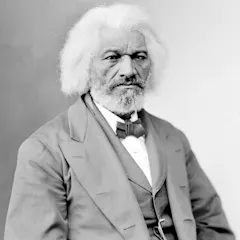
It’s 200 years since the legendary African American abolitionist and ex-slave Frederick Douglass crossed the Atlantic and found freedom in northeast England.
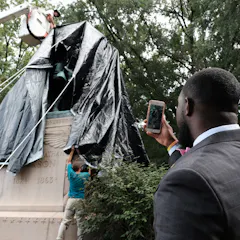
The US has yet to fully undergo a process of truth and reconciliation.

The digital economy has created millions of jobs that involve intense competition, unregulated working conditions and extremely low rates of pay.
Top contributors
-

Canada Research Chair, Professor in Performance, Toronto Metropolitan University
-
Professor of History, Arizona State University
-
Professor of History, McGill University
-
Professor Emeritus, Department of Political Science, Wilfrid Laurier University
-
Professor of History, William & Mary
-
Professor of Critical Race and Ethnic Studies, Miami University
-
Associate Professor, Oxford School of Global and Area Studies/ History, University of Oxford
-
Professor of Practice in Education, Clark University
-
Chancellor's Fellow, University of Edinburgh
-
Professor and Chair of History Department, Colorado State University
-
PhD Candidate, Social Justice Education, Ontario Institute for Studies in Education, University of Toronto
-
Emeritus Professor of Social Justice, University of Hull
-
Professor of Religious Studies, College of the Holy Cross
-
Professor, Faculty of Law, University of Technology Sydney
-
Professor of History and Michael Douglas Dean of Humanities and Fine Arts, University of California, Santa Barbara