
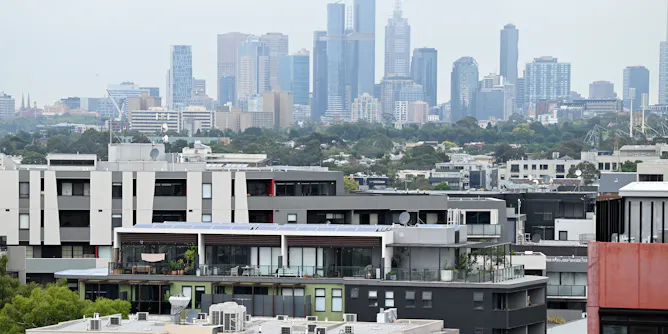
The finance journalist says changes to capital gains tax concessions and negative gearing are only likely to have a ‘symbolic effect’ on housing affordability.
Articles on skills shortage
Displaying 1 - 20 of 31 articles

Filling the skills gap through immigration denies young New Zealanders a pathway to meaningful employment. Only proper vocational training reform can fix that.

Now is not the time to cut immigration, given the contribution it makes to the economy. Arguments that migrants are pushing up house prices are largely wrong.
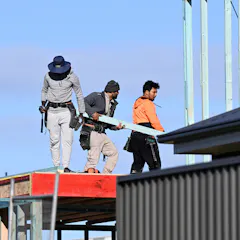
The government has proposed new incentives to attract apprentices to the construction sector, but this could divert talent from other key sectors of the economy.

New government proposals include scrapping the exam that overseas dentists usually have to take.
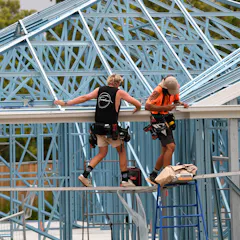
Australia needs more housing and is getting more migrants. But we need more of those migrants to be able to help build those houses.
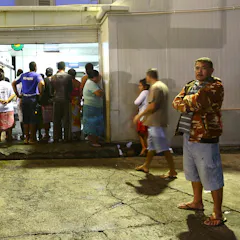
The new government is likely to increase the numbers of workers coming to New Zealand on seasonal work schemes. But the impact on Pacific economies and communities is now too great to be ignored.

The Albanese government’s attempt to sell the AUKUS nuclear submarine plan as a job-creation program is bad economics.

We’ll need to almost double our electricity sector workforce to build renewables as quickly as we need to. Where will the workers come from amid a skills shortage and infrastructure boom?

We hear the term ‘skills shortages’ all the time in media and policy debates. But what skills do we need, and more importantly, how do we get them?

Hot rooftops and a looming skills shortage – these are just a few challenges faced by crucial yet undervalued air-conditioning repair people.

Australia is already in the grip of a skills shortage. We’re going to have to solve that before we can start on the big renewables build.

To overcome serious shortages of workers, both highly skilled and low-skilled, the government will need to look to migration. But fostering home-grown skills is a better and more enduring solution.
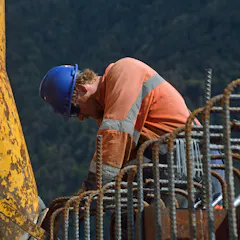
The construction sector has long suffered from lack of co-ordination, poor planning and vulnerability to shocks. If the country’s building and infrastructure needs are to be met, that has to change.

Federal Labor is promising to cover the cost of 465,000 TAFE places, including 45,000 new places. But there’s a chronic shortage of VET teachers and trainers, so that problem has to be fixed first.
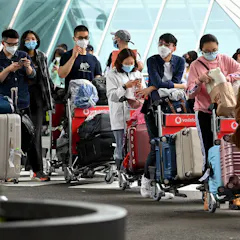
Having international students in Australia gives us a head start in the global race to attract skilled migrants. COVID border closures that halved their numbers could have very long-term costs.

Some in government and industry aim to fill Australia’s skills shortages with migration policies. But VET numbers are up, suggesting many Australians are re-skilling. We could encourage more of this.

India, Nigeria, Pakistan and South Africa lose thousands of trained doctors each year, lured away to work in richer countries – at great cost to their nation’s healthcare systems.

South Africa suffers capability deficiencies and institutional stasis due to poor political management.

The skills shortage in the foundry sector shows there is a continuing demand for “traditional” trades.
Top contributors
-

Associate Professor, College of Business, Government and Law, Flinders University
-
Professor of Entrepreneurship and Innovation, Edith Cowan University
-
Senior Research Consultant, Institute for Sustainable Futures, University of Technology Sydney
-
Research Principal, Institute for Sustainable Futures, University of Technology Sydney
-
Director of UWA Centre for Software Practice, The University of Western Australia
-
Professor, Monash University
-
Research Assistant, Te Kunenga ki Pūrehuroa – Massey University
-
Honorary Research Associate, Te Kunenga ki Pūrehuroa – Massey University
-
Professor of Enterprise and Competitiveness, University of Birmingham
-
Professor of Economics, University of Canberra
-
Professor of Education, University of Nottingham
-
Associate Professor in Law, Adelaide University
-
Senior Lecturer in Social Policy, Bangor University
-
Professor of Resilient and Sustainable Buildings (Maori Engagement), Te Kunenga ki Pūrehuroa – Massey University
-
Director, Centre for Cyber Security, University of Johannesburg