

Parents and policymakers want job security for graduates, but in the AI and automation era, careers may depend as much on curiosity and initiative as on credentials.
Articles on Vocational training
Displaying 1 - 20 of 49 articles

Filling the skills gap through immigration denies young New Zealanders a pathway to meaningful employment. Only proper vocational training reform can fix that.

Zimbabwe’s graduates feel let down because the modernist promises of education have failed them.
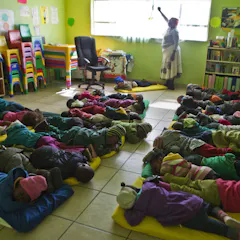
There should be a standard policy across all South African universities related to recognition of prior learning as a criterion for entrance.

We uncovered some significant and often devastating insights into how young Australians – particularly those from disadvantaged backgrounds – have experienced the ‘push’ towards university.

People who get an education while serving time are less likely to return to prison and more likely to enter the job market, an analysis finds.

Inmates who are mothers tend to be accused of being bad parents.

Our research in the port city of Makassar, Indonesia has found vocational schools can be the key to training young workers’ digital skills.

Mental wealth – the social and economic value of mental health – is the one big item missing from the agenda at the jobs summit.

To overcome serious shortages of workers, both highly skilled and low-skilled, the government will need to look to migration. But fostering home-grown skills is a better and more enduring solution.

While skilled migration can help fill short-term gaps, Australia needs a more sustainable, long-term approach to skills matching and development to make the most of the people who are already here.

Women enrolled in STEM courses are often more confident than men, but it hasn’t translated into career success and they are still very much a minority. More needs to be done in workplaces and schools.

Training restaurants housed inside prison walls and staffed by inmates are reducing recidivism rates and winning praise from diners overseas. Should we try them in New Zealand?

Australia loses female talent at every stage of the STEM pipeline. A program in which educators and industry work together to help women gain in-demand skills is one piece in the puzzle.

The tertiary qualifications target requires higher education providers, schools and communities to work together. But higher education can also help close the gap in the other target areas.

The pandemic has hit young people very hard. The long-term costs of having them neither studying nor working more than justify investment in a national program to help them enter the workforce.

There is a growing mismatch between what education and training provide and the skills needed in workplaces being reshaped by the digital economy. Advanced apprenticeships can help close the gap.
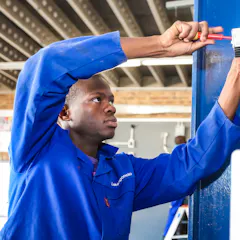
Many African parents push their children to go to university regardless of their preparedness or interest. But more find happiness and success in VET.

Special steps need to be taken to blunt the impact of school closures, particuarly on girls.

An expert predicts a rethink on technology access, reconnecting with the working class, and more.
Top contributors
-

Associate Professor, College of Business, Government and Law, Flinders University
-
Professor of Entrepreneurship and Innovation, Edith Cowan University
-
Education Lecturer and Researcher, Monash University
-
Mitchell Professorial Fellow, Victoria University
-
Professor of Vocational Education and Training, Federation University Australia
-
Policy Analyst, Mitchell Institute, Victoria University
-
Dean of Graduate Studies; Senior Research Fellow, Centre for Tourism and Regional Development, CQUniversity Australia
-
Professor of Economic and Social Policy, University of Bath
-
Research Associate, Durban University of Technology
-
Professor, University of Paderborn
-
Teacher in adult and vocational education, Charles Sturt University
-
Senior Research Fellow in Youth, Research & Policy Centre, Brotherhood of St Laurence, Honorary Fellow in Education Policy, Melbourne Graduate School of Education, The University of Melbourne
-
Communications Director
-
Vice-Chancellor, Swinburne University of Technology
-
Research Officer, CQUniversity Australia