
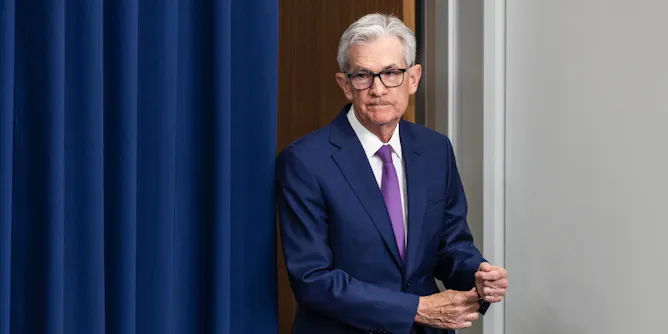
The Ides of March will coincide with one or two changes to the financial system that could cause problems for banks and the economy.
Articles on Silicon Valley Bank
Displaying 1 - 20 of 23 articles

A swift intervention by the US Federal Reserve has kept most banks on their feet, but September/October is often the time when financial crises come to a head.

Is private sector auditing of large financial institutions fit for purpose?

Digital bank runs are a new threat to financial stability.

Concerns about a decline in lending to small businesses are growing as the Fed raised rates for the 10th time in a little over a year.

Social media provides both a forum for communication and a public signal about what a bank’s customers believe. That means Twitter can facilitate coordination in real time.
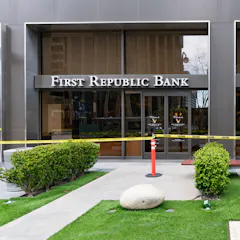
The cause of banking crises since the debacle in the 1980s remains unchanged. Incentives encourage executives to take excessive risks, with few consequences if bets turn bad. It’s happening again.

Financial crises are inevitably followed by legislation to restructure the banking system, and the ongoing problems with bank stability are likely to be no exception.
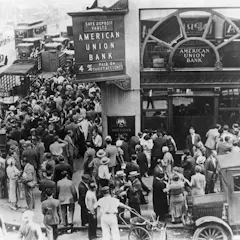
Crises fueled by bank runs, starting with the Great Depression, have had something in common: Unexpected changes spur bank failures, followed by general panic and then large-scale economic distress.

While most of the focus is on the here and now, here’s what the medium term could look like.

Confidence in banking is hard-earned and easily shocked. This makes individual banks and the banking sector susceptible to knock-on effects from other institutions.

The failure of Silicon Valley Bank has raised questions about some of the consequences when the government steps in to protect the depositors of troubled banks.

Small companies should think hard about their finances and how to make them more secure, particular in uncertain times.

Big interest rate hikes could cause more market turmoil, while doing too little could have the same effect.

The recent collapse of three banks has lawmakers debating whether stricter regulations will prevent other banks from meeting the same fate.

The collapse of Silicon Valley Bank serves as a reminder of the importance of robust risk management, sound regulatory oversight and effective liquidity management.

The banking crisis has been caused by the interest rate rises, and further hikes were supposed to be a no no.

Large Canadian banks are likely not at risk of bank failures, but history suggests smaller, more niche financial service firms could be.

The Fed, Treasury and FDIC acted swiftly to protect depositors and stem any panic, but anxiety continues to grow about the state of the global financial system.
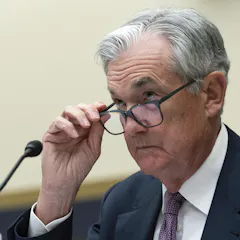
The latest consumer prices report shows cost of living is still rising far above the Fed’s target. But don’t expect monetary policymakers to aggressively hike rates.
Top contributors
-

Professor of Finance and Distinguished Professor of Applied Investments, Appalachian State University
-
Associate Professor of Finance, Mississippi State University
-
Lecturer in Finance, University of St Andrews
-
Professor, Accounting and Finance, City St George's, University of London
-
Visiting Professor at the Business School, University of the Witwatersrand
-
Associate Professor of Economics, Indiana University
-
Associate Professor and Canada Research Chair in Banking and Insurance Analytics, Western University
-
Adjunct Assistant professor of Economics, University of Rochester
-
Professor of Social Studies of Finance, City St George's, University of London
-
Senior Lecturer in Business and Economics, Sheffield Hallam University
-
PhD Candidate in Financial Modelling, Western University
-
Reader in Accounting and Finance; Director of Internationalisation, Brunel University of London
-
Professor of Law, American University
-
Professor of Finance and Fred T. Tattersall Excellence in Finance Research Chair, West Virginia University
-
Professor of Finance and Business Economics, University of Southern California