

Concerns about a decline in lending to small businesses are growing as the Fed raised rates for the 10th time in a little over a year.
Articles on 2023 bank crisis
Displaying all articles
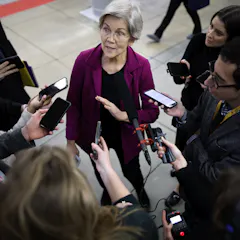
Financial crises are inevitably followed by legislation to restructure the banking system, and the ongoing problems with bank stability are likely to be no exception.

Central banks are reaching into their toolkits to shore up the global financial system.

There are two types of systemic risk that can infect the highly interconnected global banking system.

Companies benefit from certain internal environmental and social checks and balances, particularly when it comes to preventing a tumble in their share price.

The failure of Silicon Valley Bank has raised questions about some of the consequences when the government steps in to protect the depositors of troubled banks.

Small companies should think hard about their finances and how to make them more secure, particular in uncertain times.
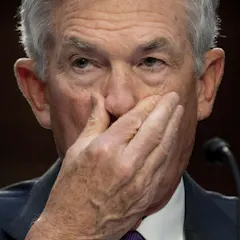
Big interest rate hikes could cause more market turmoil, while doing too little could have the same effect.

The Fed, Treasury and FDIC acted swiftly to protect depositors and stem any panic, but anxiety continues to grow about the state of the global financial system.

New rules following a spate of bank failures in 19th century Britain could provide some lessons for today’s regulators.
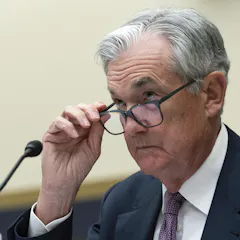
The latest consumer prices report shows cost of living is still rising far above the Fed’s target. But don’t expect monetary policymakers to aggressively hike rates.
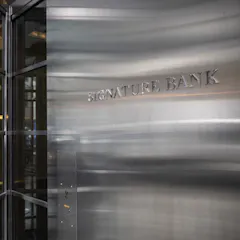
Lenders face a lot of risks, but two of them – interest rate and liquidity – were the main drivers of the sudden and rapid failure of Silicon Valley Bank and Signature Bank. That’s why more trouble may be ahead for the banking sector.

The speed of SVB’s collapse was a surprise but central bankers can learn lessons from this failure.
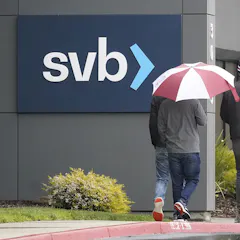
SVB, as it’s known, collapsed with lightning speed following a run on its deposits.
Top contributors
-

Professor of Finance and Distinguished Professor of Applied Investments, Appalachian State University
-
Associate Professor of Finance, Mississippi State University
-
Senior Lecturer (Associate Professor) in Accounting, Newcastle University
-
Professor of Finance and Fred T. Tattersall Excellence in Finance Research Chair, West Virginia University
-
Reader in Accounting and Finance; Director of Internationalisation, Brunel University of London
-
Professor of Economics, University of Nottingham
-
Associate Professor in Finance, Kingston University
-
Professor in Business History, Henley Business School, University of Reading
-
Fellow in Economics and History at Corpus Christi College, University of Cambridge
-
Professor of Law, University of South Carolina
-
Associate Professor of Finance, Texas State University
-
Professor of Economics, University of Nebraska Omaha
-
Senior Lecturer in Economics, Sheffield Hallam University
-
Reader of Commercial Law, Queen's University Belfast
-
Associate Professor of Economics, Indiana University