
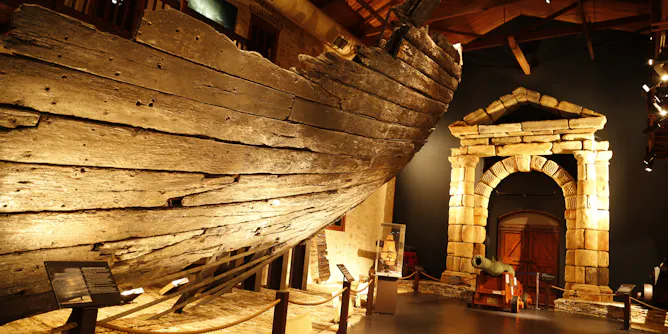
Nearly four centuries after the Batavia wrecked, a new study about its precious cargo shows that stories can indeed be written in stone.
Articles on Shipwrecks
Displaying 1 - 20 of 44 articles

Researchers have revealed the identities of six sailors and shed new light on the expedition that went missing more than 170 years ago.
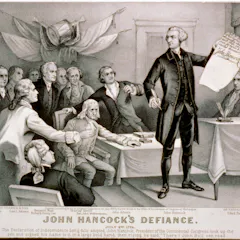
US charitable institutions rapidly changed in the 1780s as Americans established groups to support people in need and to reform society.
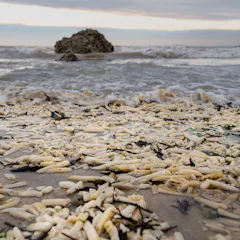
When cargo falls into the sea, it becomes an accidental ocean currents experiment.
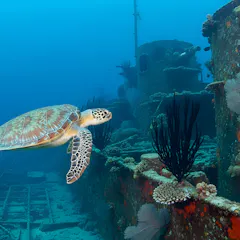
Plants and animals soon colonise any hard surface in otherwise sandy or muddy seafloors.
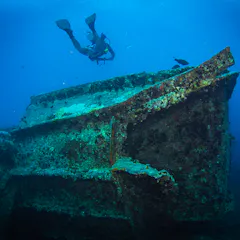
As their structures break down, the wrecks could release toxic substances into the environment.
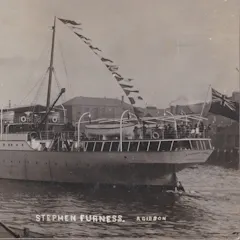
Researchers have uncovered new evidence about the sinking of HMS Stephen Furness in 1917, solving a century-old mystery.
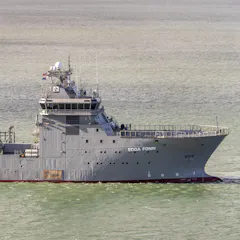
Damage from the loss of a New Zealand naval ship in Samoa can be limited if salvage and cleanup crews move fast. But the depth at which the ship now lies will be a challenge.
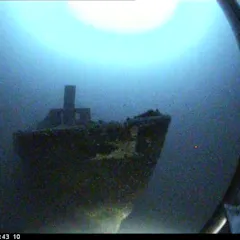
CSIRO’s RV Investigator plays a huge role in finding and identifying ships that have been lost beneath the waves for decades. Here’s why it’s so well equipped for the task.
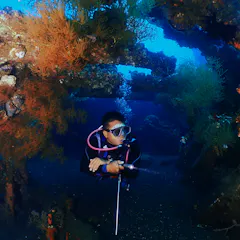
Shipwrecks and their cargo can be sites of conflict – but also opportunity.
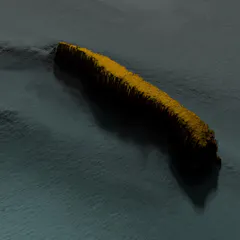
The SS Hartdale was sunk by a German U-boat in 1915 and its final resting place had long been unknown.
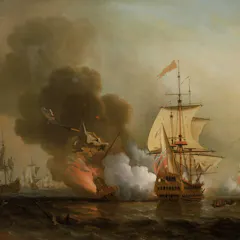
The boat was sunk while still laden with treasure including 11 million gold and silver coins, emeralds and other precious cargo.
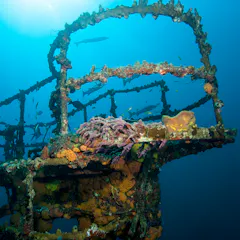
Artificial reefs are structures that humans put in place underwater that create habitat for sea life. A new study shows for the first time how much of the US ocean floor they cover.
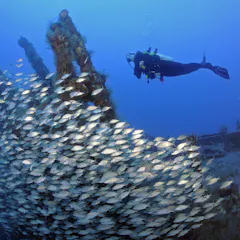
When ships sink, they add artificial structures to the seafloor that can quickly become diverse, ecologically important underwater communities.
David Grann’s latest book recounts an 18th century shipwreck and the life and death struggles of its survivors.
The recent tragedy of the Titan submersible bore striking parallels to one of the most widely read novels about life at sea.
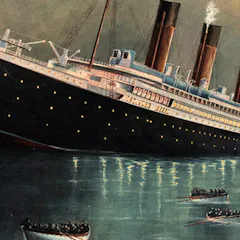
What makes billionaires risk their lives to see the Titanic wreck?
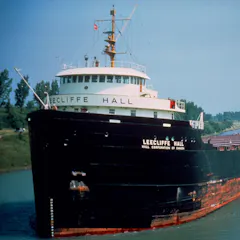
The St. Lawrence is one of the most difficult rivers in the world to navigate. It has been the site of collisions, groundings and shipwrecks. Several thousand wrecks lie beneath its surface.
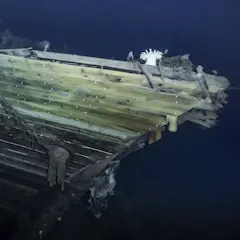
Earlier this month, one of the most famous shipwrecks in history was discovered in a part of Antarctica claimed by multiple nations.
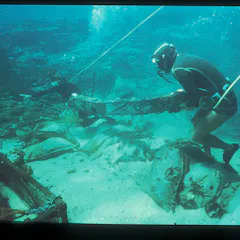
We’re searching for ways to use recovered bones and teeth to better understand time spent in the sea, and the overall journey of the mortal remains.
Top contributors
-

Senior Lecturer, Sydney Southeast Asia Centre, University of Sydney
-
Research Marine Biologist, National Oceanic and Atmospheric Administration
-
Senior Lecturer in Ocean and Earth Science, University of Southampton
-
Professor of Archaeology, University of Southampton
-
Research Associate, University of Amsterdam
-
SEACAMS R&D Project Manager, Centre for Applied Marine Sciences, Bangor University
-
PhD; Adjunct Senior Research Fellow, Monash University
-
Researcher, Institute of Oceanography, Hellenic Centre for Marine Research
-
Honorary Senior Lecturer, School of Culture, History and Language, Australian National University
-
Sport and Exercise Biomechanist, Swansea University
-
Honorary Lecturer, UCL
-
Professor, Marine Ecology, Aarhus University
-
Post-Doctoral Researcher in History, University of East Anglia
-
Principal Researcher, Coastal Ecology, Centro de Estudios Avanzados de Blanes (CEAB-CSIC)
-
Associate Professor of Dendrochronology, University of Arizona