

Fatal shark bites are very rare. But the stats do suggest that the likelihood of an attack proving fatal is higher in Australia - probably because our waters are home to the “big three” dangerous species.
Articles on Shark attacks
Displaying 21 - 40 of 48 articles
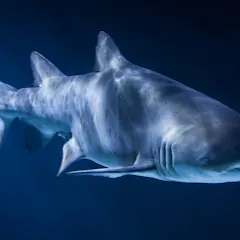
Sharks can’t sneeze like we do, but they can do other cool tricks – like making their stomach stick out of their mouth to get rid of unwanted stuff.
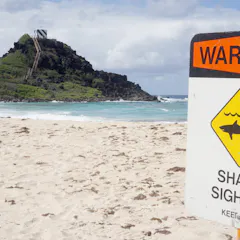
We naturally overestimate the risk of rare events, like shark attacks or terrorism. But there are things you can do to think more rationally about the real risk.
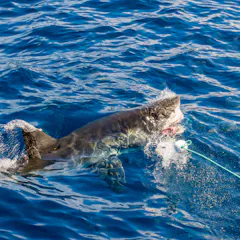
A Stanford professor developed a handy way of estimating and comparing our risk of death from various events – the micromort.
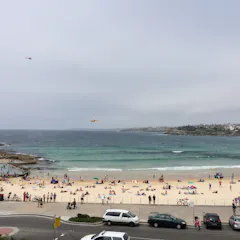
LIfeguards could potentially have a new ally in the fight to reduce shark incidents: drones that can spot when a shark swims nearby, and automatically alert authorities.
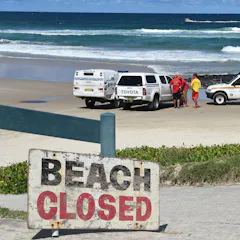
Shark nets are controversial, which is why the New South Wales government is investigating a host of other ways to keep humans and sharks apart – some more tried and tested than others.
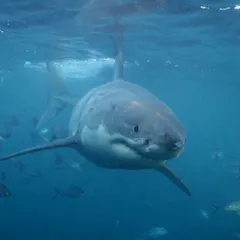
Queensland premier Annastacia Palaszczuk has offered to extend the state’s shark netting and drum lines into New South Wales.
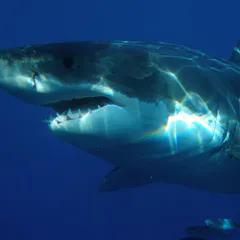
Independent tests show that a wearable electric deterrent called a Shark Shield does indeed seem to live up to its name.
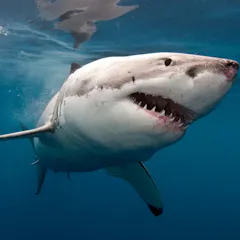
The best way to guard against shark attacks is to study them, not kill them. Because while the alleged “shark boom” almost certainly not real, the more we know about sharks, the better.

Despite low shark attack numbers, many people are afraid of being bitten. There are, however, ways to steer clear of these creatures.
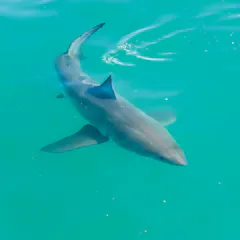
A recent increase in shark encounters has prompted New South Wales to investigate new technologies.
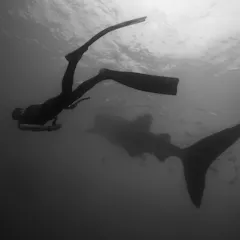
A recent cluster of dangerous encounters with sharks in New South Wales has raised new concerns among the public.
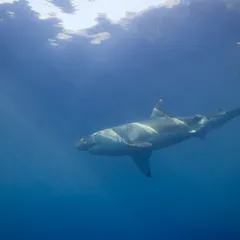
More research may not necessarily prove to be the answer to shark attacks. Instead, we should look at programs that are already working, such as aerial patrols.
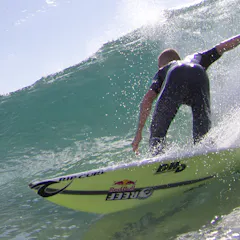
The recent shark attack was enough to convince Australian surfer Mick Fanning that the colour of his surfboard may have been a factor. But what do sharks actually see in the water?
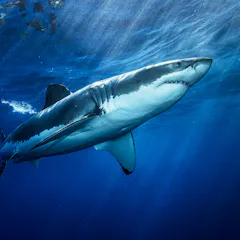
What lies behind shark safety methods.
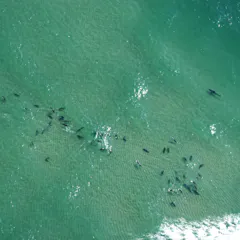
A rash of white shark attacks this summer points to a rebounding population in the US – a sign of healthier oceans and the need to coexist with this apex predator.
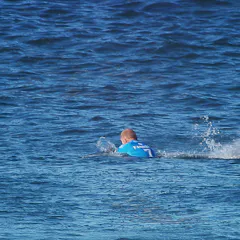
Although frightening, the footage of Mick Fanning at Jeffreys Bay is a reminder that sharks are present in the oceans, and that the vast majority of interactions between people and sharks end without fatality or injury.
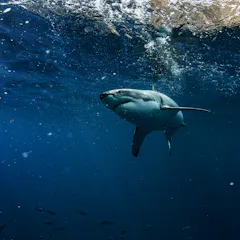
Millions tune in to Shark Week each year, but many walk away with the wrong impressions.
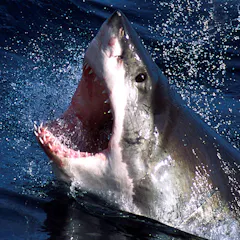
The stats for 2014 have been compiled and shark attacks and fatalities are down worldwide. The numbers are truly tiny. Why do we fixate on this vanishingly rare possibility?
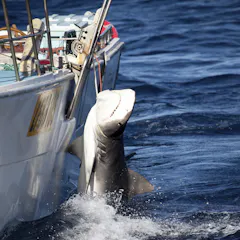
The plan to use baited traps to catch and kill sharks off the coast of Western Australia caused considerable controversy when it was announced last year, with critics calling the shark cull ineffective…
Top contributors
-

Professor of Marine Fisheries Ecology, Macquarie University
-
Marine Biologist, South African National Parks (SANParks); Honorary Research Associate, South African Institute for Aquatic Biodiversity (SAIAB), South African Institute for Aquatic Biodiversity
-
Wen Family Chair in Conservation, The University of Western Australia
-
Senior Lecturer in Geography, University of Wollongong
-
Professor, College of Science and Engineering, Flinders University
-
Professor of Comparative Neurophysiology, Macquarie University
-
Doctoral Programmes Manager, Nottingham Trent University
-
Director, Florida Program for Shark Research and Coordinator of Museum Operations, Florida Museum of Natural History, University of Florida
-
Associate Professor of Environmental Science, Bond University
-
Associate Professor of Public Policy, University of Sydney
-
PhD candidate in Journalism & Mass Communication, University of North Carolina at Chapel Hill
-
Adjunct Professor of Marine Biology, Nelson Mandela University
-
Shark Biology & Assessment, Sydney Institute of Marine Science
-
Postdoctoral Fellow, School of Animal Biology, The University of Western Australia
-
Project leader and researcher, CSIRO