
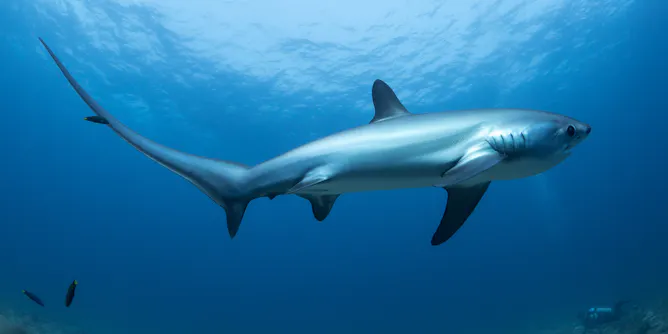
Scientists are working closely with anglers to track the lives of sharks in English waters.
Articles on Shark conservation
Displaying all articles
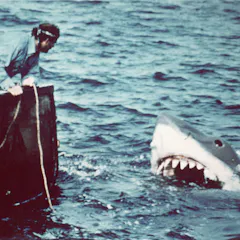
A shark expert whose own curiosity about these fascinating fish was sparked by the movie explains some of their unique features. Many discoveries came in the decades after ‘Jaws.’
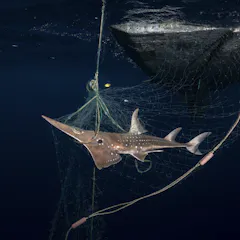
Listen to conservation scientist Hollie Booth explain what happened when fishermen in Indonesia were paid to release sharks caught up in their nets.
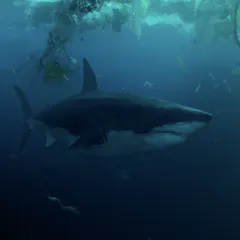
For decades, the ‘Jaws effect’ from shark movies has fed into the public’s fear and panic – harming both sharks and humans.
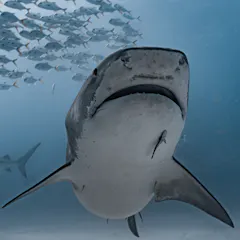
Through regulation, enforcement and monitoring, fisheries management can lead to recoveries in shark and ray populations.
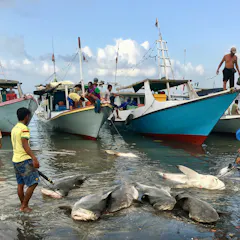
Countries have voted to limit the international shark trade, but this fails to account for the diversity in fishing contexts around the world.
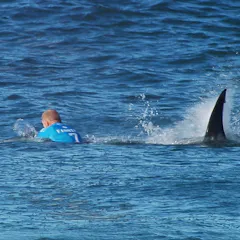
Many surfers have seen sharks while surfing in the ocean. Yet, unlike the general public, 60% are not afraid of sharks. It’s a finding that offers an insight into attitudes to shark conservation.
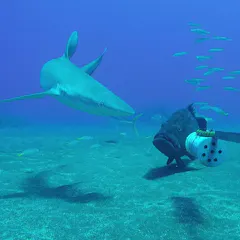
Historically, basking sharks were caught as bycatch in New Zealand fisheries and seen in their hundreds in some inshore areas. They have disappeared and we don’t know why.

The findings will help determine the age of whale sharks, protecting the endangered animals into the future.
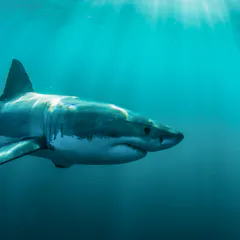
How many shark encounters have there been at your local beach? Explore our interactive map to see 20 years of incidents between humans and sharks in coastal waters around Australia.
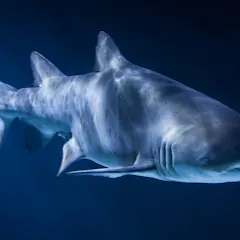
Sharks can’t sneeze like we do, but they can do other cool tricks – like making their stomach stick out of their mouth to get rid of unwanted stuff.
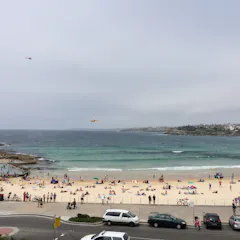
LIfeguards could potentially have a new ally in the fight to reduce shark incidents: drones that can spot when a shark swims nearby, and automatically alert authorities.
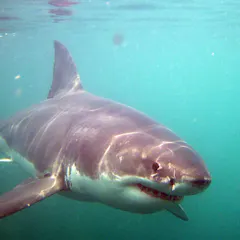
South Africa’s white shark population faced a rapid decline in the last generation. More concerning is that their numbers might already be too low to ensure their survival.
Top contributors
-

Professor of Marine Fisheries Ecology, Macquarie University
-
Lecturer in Environmental Science, Adelaide University
-
Senior Research Fellow, Conservation Science, University of Oxford; Bangor University
-
Adjunct Professor, Southern Cross University
-
Senior lecturer in marine ecology, Griffith University
-
Professor of Marine Science and Management, Southern Cross University
-
Postdoctoral Researcher in management and conservation of white sharks, Stellenbosch University
-
Senior Principal Research Scientist, Australian Institute of Marine Science
-
Australian Institute of Marine Science
-
Postdoctoral Research Fellow, Global Shark Trends Project, Simon Fraser University
-
Australian Institute of Marine Science
-
Senior Lecturer in Statistics, Te Kunenga ki Pūrehuroa – Massey University
-
Host, The Conversation Weekly Podcast, The Conversation
-
PhD Candidate in Coastal and Marine Resource Management, IPB University
-
Associate Professor of Evolutionary Developmental Biology, University of Florida