
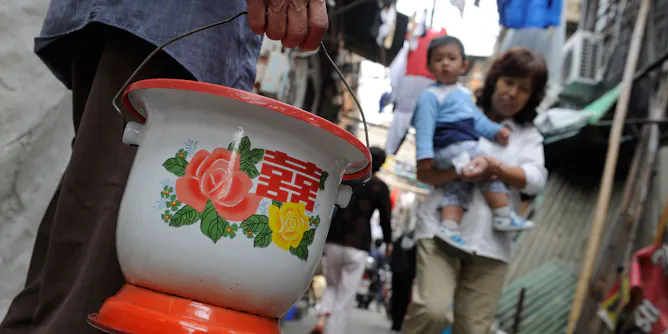
Sanitation in Shanghai is not just about cleanliness but also power, culture and social norms.
Articles on Shanghai
Displaying 1 - 20 of 24 articles
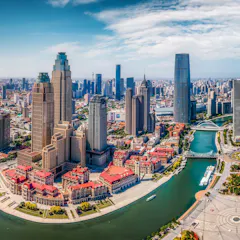
Cities can take action to stop subsidence – or else they need to adapt.

With the pressure of China’s “three-child policy”, many women are motivated to achieve work-life harmony by merging the identities of motherhood and business ownership.

Natural disasters cause billions in damage to ports around the world each year.
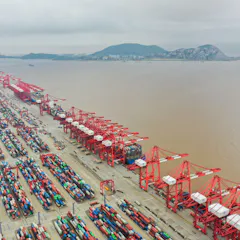
China lockdowns and Ukraine war have made global supply chains far worse in 2022 than many expected.

What can China do to resolve a crisis that threatens not only the health and security of its people and economy, but the future of Chinese Communist Party and its leader Xi Jinping?
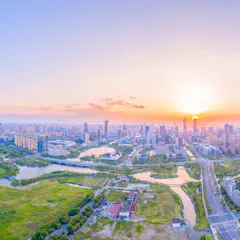
Flood threatened settlements must get everyone involved in an effort to become truly resilient cities.

China used to only make Soviet cars under licence. Now it’s taking on Tesla.
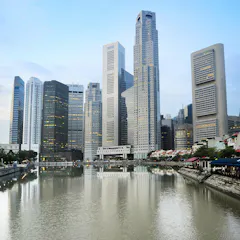
New data shows the recent damage to UK’s prized services sector – and potentially to Europe as a whole.
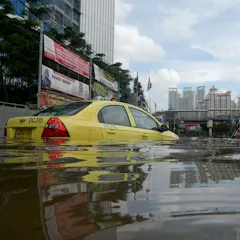
Sinking land plus rising seas are putting hundreds of millions of people at risk.

Parents in Shanghai are aiming for their children to adopt Western style values – like self-discovery.
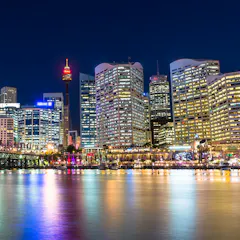
Cities around the world are redeveloping their waterfronts to be accessible and resilient to the effects of climate change. Here’s where Sydney’s Darling Harbour went wrong and what we can do better.
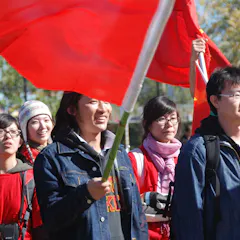
Chinese students make up the largest portion of international students in Australia. To ensure our A$28bn international education sector continues to thrive we need to pay more attention to why.
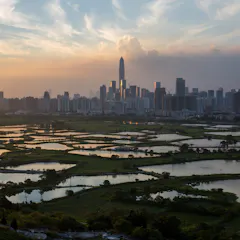
Xiong’an is called China’s No.1 urban project. Orchestrated by President Xi Jinping, the mega-city to be built just over 100 kilometres south of Beijing is also very much a political project.
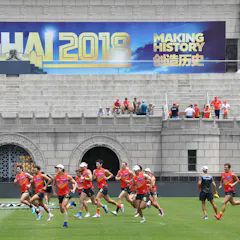
Sport has a history of providing opportunities for détente, or at least discussion - and there’s every chance the AFL’s latest venture to China could do just that.

The fifth generation of tall buildings are here, and they’re more efficient than ever before.
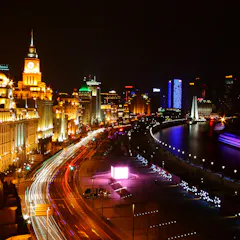
From its earliest days as a haven for refugees, Shanghai developed a distinctive character and urban identity that have driven its emergence as one of the world’s great metropolises.
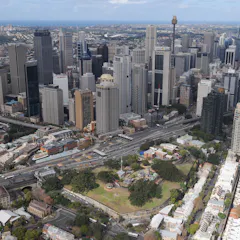
We need to move away from thinking about the skyscraper as an “icon”. Instead, we should be asking how the tall building – which will always “stand out” – can also “fit in” to cities.
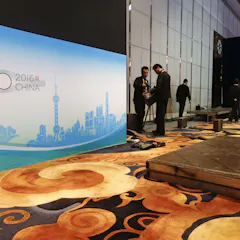
The world economy needs China, but Beijing has needs of its own. No wonder the leadership is putting so much effort into a year of negotiation.
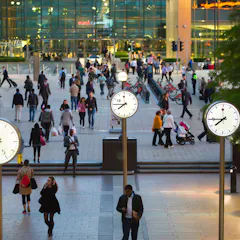
The growth of megacities and the mental health challenges this presents requires a new way of thinking.
Top contributors
-

Senior Lecturer and Socio-cultural researcher, UniSA Education Futures, Adelaide University
-
Professor of Climate Adaptation, University of East Anglia
-
Chair Professor of Architecture, UNSW
-
Associate Professor, International Relations and Diplomacy, Bond University
-
Archivist, Institute of Jazz Studies, Rutgers University - Newark
-
Head of Social Science Health and Medicine, King's College London
-
Head of School and Professor of Architecture, UNSW Built Environment, UNSW
-
Professor Spatial Transformation, Hanze University of Applied Sciences, Groningen
-
Lecturer, Adelaide University
-
Assistant Professor in Architecture, University of Nottingham
-
Professor, University of Canberra
-
Professor of Environmental Engineering, School of Engineering, Griffith University
-
Honorary Professor of International Management, Cambridge Judge Business School
-
Visiting Fellow, Research School of Biology and Distinguished Visiting Fellow, Zhongshan Ophthalmic Center, Sun Yat-sen University, Guangzhou, CHina, Australian National University
-
Lecturer in Sociology, Cardiff University