

Belonging is about feeling accepted, included, safe and recognised.
Articles on sense of belonging
Displaying all articles
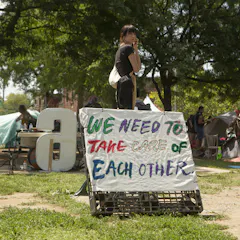
People struggling with homelessness often have limited control over their belongings and face the constant risk of being separated from their possessions.
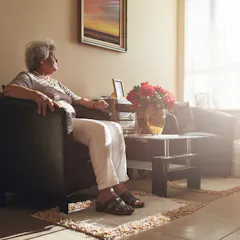
A systematic review of thousands of studies around the world has found many aspects of our cities affect loneliness. But people’s relationship with their environment is complex and highly individual.

Yi-Fu Tuan, who died in August 2022, was considered the father of humanistic geography. His scholarship on our sense of space and place can tell us a great deal about the challenges we face today.
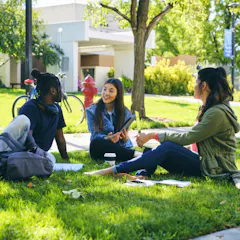
Just what does it mean for students to feel as if they “belong” on campus? A researcher weighs in.

Having strong social support and a sense of belonging buffered and even reversed some of the harmful effects of stress on genes.
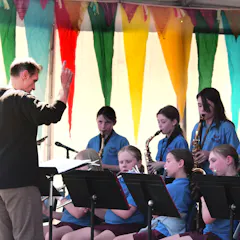
Extracurricular activities help children from low-income suburbs close the gap between them and their better-off peers. But subsidies for these activities are patchy and often limited to sport.

It’s the simple, everyday encounters and experiences – a friendly wave, a helping hand – that refugees say makes them feel part of the Australian community.

The decision to cancel a festival is never easy and can have difficult financial and community costs. Both planners and would-be attendees can play a role in mitigating the impact.

When students feel accepted and respected by their teachers and peers, they will actively engage in academic and non-academic activities.

Australian students, on average, reported a poorer sense of belonging at school than the OECD average. But issues with sense of belonging aren’t distributed evenly across the population.
Top contributors
-

Deputy CEO (Research), Australian Council for Educational Research
-
Bond University
-
Senior Research Fellow, Matilda Centre for Research in Mental Health and Substance Use, University of Sydney
-
Professor of Human Geography, Simon Fraser University
-
Honorary Adjunct Lecturer, Sydney Medical School, University of Sydney
-
Professor, College of Business, Government & Law, Flinders University
-
Dean of Arts, Humanities, & Social Sciences, Santiago Canyon College
-
Adjunct Senior Lecturer, College of Medicine and Public Health, Flinders University
-
Associate Professor and Team Leader, Stress Genomics Group, QUT, Queensland University of Technology
-
Teaching Faculty, Geography and Environmental Studies, Wilfrid Laurier University
-
Associate Professor in Urban and Regional Planning, University of Sydney
-
Research fellow, The University of Queensland
-
Professor, Faculty of Kinesiology and Recreation Management, University of Manitoba
-
Associate Professor, Institute for Culture and Society & School of Humanities and Communication Arts, Western Sydney University
-
Associate Professor of Psychology and Inclusion, University of Bristol