
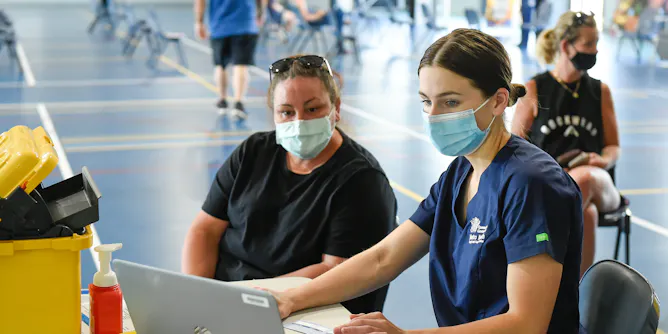
This is a proportional response to managing risk at this stage of the pandemic, with so many of us vaccinated and receiving boosters. However, we need to monitor these changes.
Articles on Self isolation
Displaying all articles
A survey conducted in early April reveals that, even in lockdown, fewer than 3% of people were feeling only negative emotions.
Understanding isolation’s effects on regular people, rather than those certified to have ‘the right stuff,’ will help prepare us for the future, whether another pandemic or interplanetary space travel.
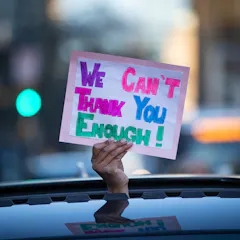
The COVID-19 pandemic is affecting everyone to some degree, and many people are looking for ways to help others. Here are some ways people can contribute to the response effort.

As the pandemic moves us indoors, it’s time to reconsider our understanding of ‘screen time’ – especially since we’re relying on our devices now more than ever.

Though quarantine isn’t an ideal situation, it might offer us a chance to catch up on some much needed sleep.

We live in the time of the ‘quantified self’. This means we’re constantly under pressure to use technology to ‘optimise’ ourselves, and may be why many people view gaming as a ‘waste of time’.
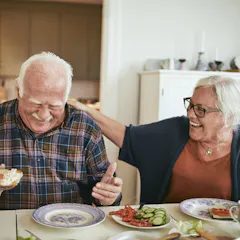
Cooped up with a partner and nowhere to go to break it up? Coronavirus social distancing… or another day in retirement? Research on older couples holds tips for everyone else on how to deal.

It isn’t wrong to laugh at coronavirus comedy. Rather a chortle here and there will help us through the crisis, and it may even help spread vital information and give comfort to those in need.
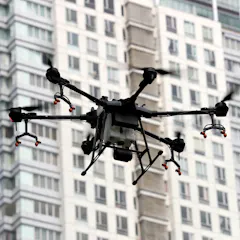
While ‘good drones’ have been valuable in this pandemic, using drones to embed new systems of surveillance could be a dangerous and slippery slope.

Don’t just sit there. It’s easy to get some exercise in your daily routine if you’re stuck at home.

Sometimes you can understand more of the world from the comfort of your own home
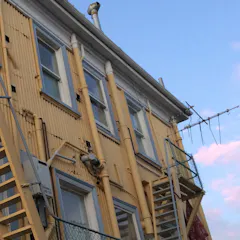
Tens of thousands of New Zealanders don’t have secure or adequate accommodation – so how can they safely self-isolate in NZ’s lockdown? But there are solutions – and here’s where to start.
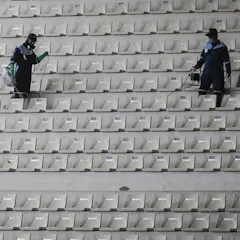
The policy of self-isolation fails to take into account the fact that many poor and low-income people cannot afford to do it.
Top contributors
-

Senior Lecturer in Population Health, School of Medicine and Psychology, Australian National University, Australian National University
-
Lecturer, Department of International Relations, Universitas Gadjah Mada
-
PhD Student He Kainga Oranga, Housing and Health Research Group, University of Otago
-
Professor, School of Human Sciences, The University of Western Australia
-
Professor of Health Sciences, Simon Fraser University
-
Lecturer, Sport and Exercise, Edinburgh Napier University
-
Professor of Physical Activity, Lifestyle, and Population Health, University of Sydney
-
Consultant, Sports and Exercise Medicine, University of Edinburgh
-
Senior Lecturer - Games and Interactivity, Swinburne University of Technology
-
Professor, Business and Management, Queensland University of Technology
-
Senior Lecturer in Psychology, Deakin University
-
Professor of Personality Psychology, The University of Melbourne
-
Associate Clinical Professor of Psychology, Harvard University
-
Executive Director of the Center for Media & Social Impact, Assistant Professor, American University School of Communication
-
Associate lecturer, Deakin University