

Australia’s inland waterbirds can fly long distances to find shallow wetlands to breed. But human needs and climate change could threaten them.
Articles on satellite tracking
Displaying all articles
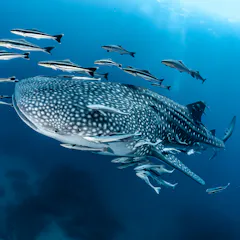
Almost 400 scientists from around the world came together to understand the movements of large marine mammals, using 30 years of satellite tracking data.
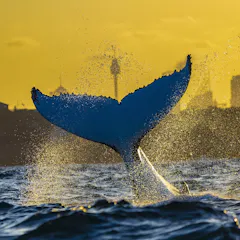
The map combines findings from more than 1,300 studies and is an important tool for conservation.
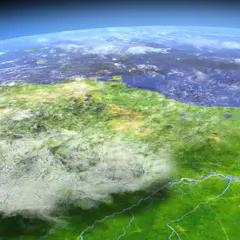
Satellite-derived Earth observation data helps researchers unlock new insights into monitoring both environmental and human health.
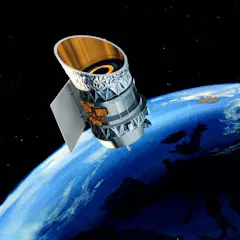
Two defunct satellites passed within metres of one another, prompting renewed focus on the dangers of space debris. But with many satellites treated as military secrets, how do we track the hazards?
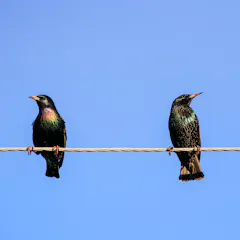
Drugs are finding their way into lakes and rivers, and we need to know exactly what they’re doing to wildlife.
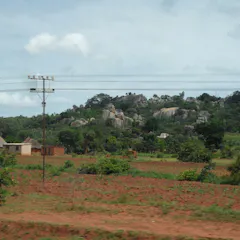
Satellite rainfall data can be used to predict harsh climate events – and to identify food-insecure populations before disaster strikes.
Much of what we know about these elusive eels’ life cycle has been based on circumstantial evidence. Now for the first time, scientists tracked an adult eel to its distant spawning ground.
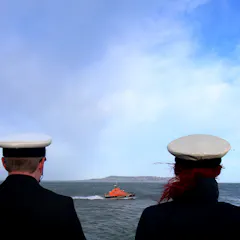
The seas are vast. And they claim vessels in significant numbers. The yachts Cheeki Rafiki, Niña, Munetra, Tenacious are just some of the more high-profile names on a list of lost or capsized vessels which…
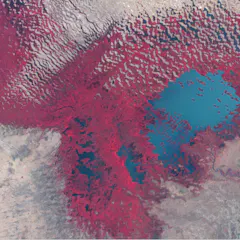
The idea of using satellites to monitor wildlife and biological diversity probably conjures up images of radio-collared deer or tagged turtles. And while these have been key to increasing our understanding…
Patterns in female great white shark migration patterns are becoming clearer, thanks to new research. California-based researchers…
Top contributors
-

Professor of Biology, Université Laval
-
Professor of Biology, University of Portsmouth
-
Director of the Climate Hazards Center, University of California, Santa Barbara
-
Assistant Researcher, Rainfall Monitoring, Applied Statistics, Famine Early Warning, University of California, Santa Barbara
-
Senior Lecturer in Astronomy, University of Leicester
-
Research Scientist, Fisheries and Oceans Canada
-
Professor, Conservation Biology, Zoological Society of London
-
Associate Professor, Western Sydney University
-
Visiting Researcher, University of Southampton
-
Research Ecologist, Migratory Bird Center, Smithsonian Institution
-
Associate Professor of Marine Conservation Science and Director of the Centre for Biodiversity and Conservation Science (CBCS), The University of Queensland
-
Postdoctoral Research Fellow, School of the Environment, The University of Queensland
-
Associate Professor, Research School of Biology, Australian National University
-
Researcher in Applied Ecology, CSIRO
-
Senior Research Scientist, CSIRO