
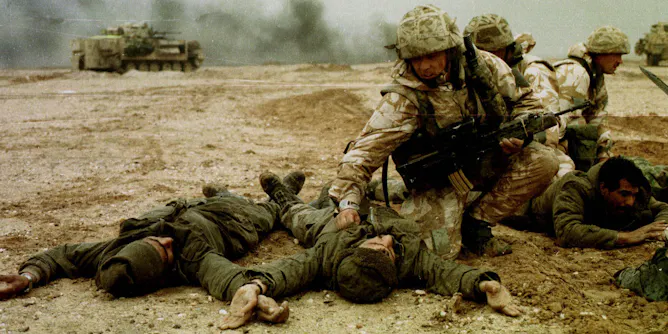
The 1991 Gulf War was seen as the start of an age of peace, but paved the way for much future conflict.
Articles on Saddam Hussein
Displaying 21 - 40 of 44 articles

Millions of Muslims travel to Karbala in Iraq for one of the largest annual pilgrimages. The pilgrimage has adapted and changed over its centuries-old history.
Sending specially trained operatives into hostile territories dates back to Colonial days. In the past decade, special operations forces have become central to America’s counterterrorism efforts.
Some of the major events in US-Iran relations highlight the differences between the nations’ views, but others presented real opportunities for reconciliation.
A short history of modern Iran-Iraq relations.
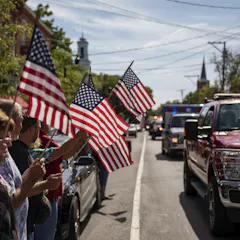
US officials have consistently lied over decades about progress in the Afghanistan war. The lies are no surprise, writes a foreign affairs scholar – but they have profound consequences.
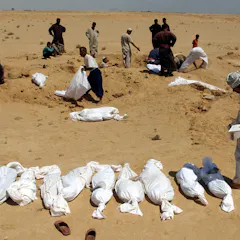
Distrust of the US – even if misplaced – can linger for decades, thwarting Washington’s foreign policy goals. A former US diplomat in Iraq reflects on that country’s skepticism of US aid efforts.

Forty years ago this shocking event paved the way for a 24-year rule of fear that saw Iraqi citizens repressed, tortured and murdered.
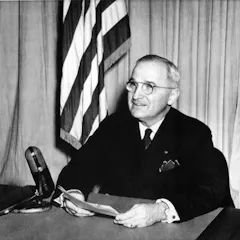
The National Intelligence Council works inside government but is little understood outside. Yet it has helped respond to almost all the major foreign policy challenges of the last 40 years.
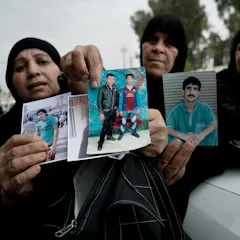
Iraq beat the Islamic State. Now, its Shia government is jailing and even executing all suspected terrorists – most of them Sunni Muslims. The clampdown may inflame a centuries-old sectarian divide.
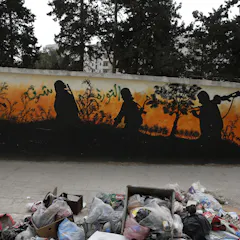
Keeping the water and power on, managing sewers and collecting garbage will help communities shattered by the Syrian civil war rebuild – and keep out the Islamic State, says a former aid official.
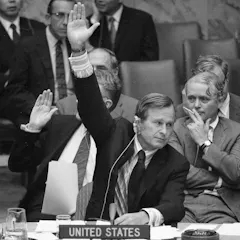
The first President Bush had some impressive foreign policies wins, but could he be best remembered for getting the US entangled in Iraq?
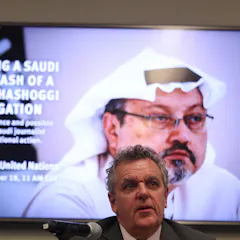
The Trump administration’s abandonment of support for democracy and civil rights abroad may be behind the sort of attacks on individual freedom that likely claimed journalist Jamal Khashoggi’s life.
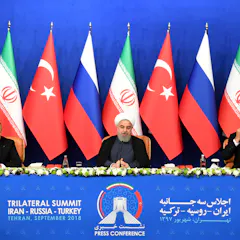
The US was once the dominant force in the Middle East. That old order has disappeared. Now the new powers are Iran, Turkey, Saudi Arabia and Russia – and the US needs a new policy for the region.
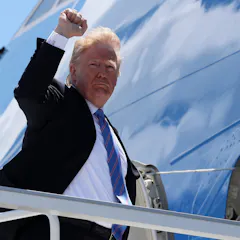
NATO leaders meet in Belgium today; many are worried about US President Trump’s habit of breaking diplomatic norms. History is filled with other leaders acting bullishly, often with poor results.
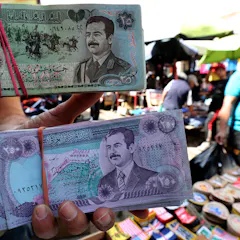
After the US invasion brought their dictator down, Iraqis’ everyday lives were marked by chaos and violence.
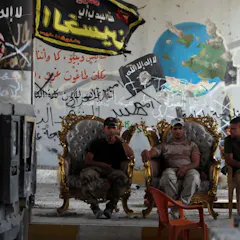
Was the early conception of IS a branching-out of the old Baath party? Or was it, as some argue, completely separate with no connection at all? Reality is probably a bit of a mix of both.
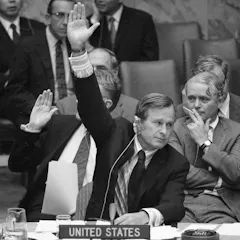
The first President Bush had some impressive foreign policies wins, but could he be best remembered for getting the US entangled in Iraq?
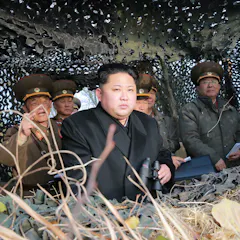
A scholar who has profiled the likes of Saddam Hussein and Vladimir Putin says there is a method to understanding the madness.
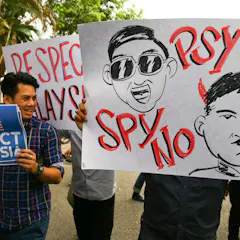
Using nerve agents is banned under the Chemical Weapons Convention, but North Korea is not a party to it.
Top contributors
-

Professor Emeritus, American University School of International Service
-
Professor of the Practice of Political Science and International Relations, USC Dornsife College of Letters, Arts and Sciences
-
Senior Lecturer in Security Studies, Birmingham City University
-
Professor of Political Science, Macalester College
-
Professor at the School of International Service and Visiting Senior Fellow, Council on Foreign Relations, American University School of International Service
-
Professor in Political Science and International Relations, Durham University
-
Professor of Political Science, University of Connecticut
-
Professor of International Law and Director, Sydney Centre for International Law, University of Sydney
-
Research Associate at the One Earth Future Foundation, University of Tennessee
-
Director of programs and research, Institute for the Study of Diplomacy, Georgetown University
-
Lecturer in Politics and International Relations, University of Exeter
-
Professor of Middle Eastern Studies and Public Policy and Director of the Interdisciplinary Studies Institute, UMass Amherst
-
Research Fellow, Cambridge Muslim College & Teaching Fellow, SOAS, University of London
-
Assistant Professor, Florida Atlantic University
-
Professor of International Relations, Lancaster University