
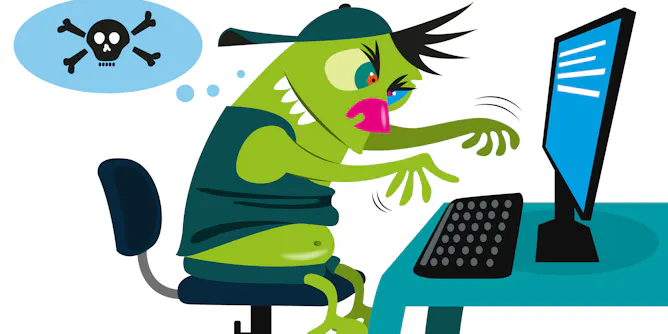
Russian-affiliated Twitter accounts changed what they posted about, and used both text and images in ways that shed light on how these information warriors work.
Articles on Russian trolls
Displaying all articles

A social media researcher explains how bots and sock puppet accounts manipulate and polarize public debate.

Anti-vaccine info online might have foreign roots and political aims.
An examination of the Twitter activity after the Québec mosque murders reveal that the majority showed sympathy towards the victims, but Russian trolls worked to spread antagonism and fake news.
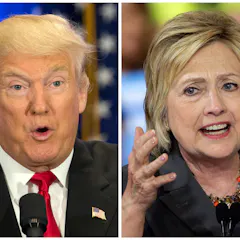
An analysis of social media troll activity during the 2016 election campaign shows that exposure to Russian propaganda may have helped change American minds in favor of Republican candidate Trump.
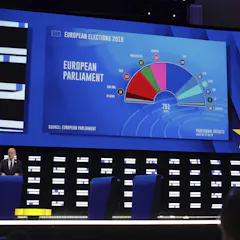
Though the effects were less this time, voters across the globe should remain vigilant against disinformation campaigns and election system hacking.
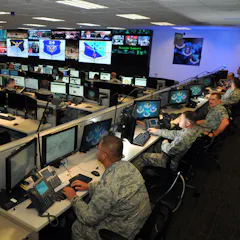
A new strategy for U.S. Cyber Command seeks to block enemies from achieving their objectives – but may not be successful, and could have unforeseen consequences.
While Donald Trump’s election may seem to US voters to present unprecedented questions of legitimacy, such questions were first asked more than a century ago, in an election that turned on bicycles.
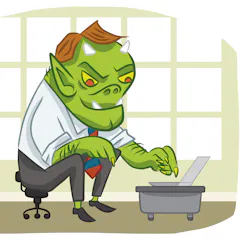
Some behaviors might help tell propaganda-spewing trolls apart from regular internet users, but the main protection is for people to think more critically about online information.
Top contributors
-

Postdoctoral Researcher, Max Planck Institute of Geoanthropology
-
Professor of Communication Studies; Research Chair on Intersectionality, Violence and Resistance, Concordia University
-
Associate Professor, News, Social Media, and Public Communication, Simon Fraser University
-
Graduate Student in History, Northwestern University
-
Assistant Professor of Computer Science, Binghamton University, State University of New York
-
Next Generation Leader, McCain Institute for International Leadership, Arizona State University
-
Post-Doctoral Researcher, University of Tennessee
-
Professor of Strategic Studies at the Marine Corps University School of Advanced Warfighting; Scholar-in-Residence, American University School of International Service
-
Assistant Professor , Seton Hall University
-
Professor of Law, Villanova University
-
Professor of Computer Science, Clarkson University
-
Assistant Professor of Electrical and Computer Engineering, Boston University