
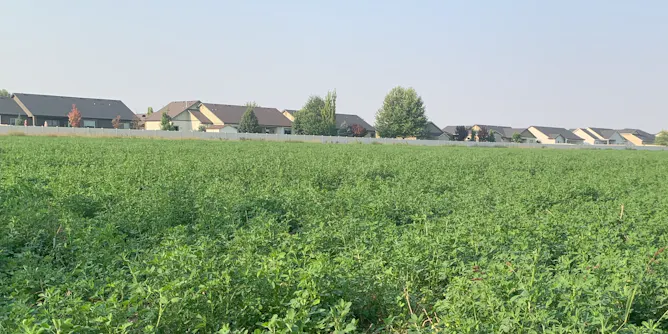
New research provides evidence for the first time that the primary chemical in Roundup is reaching people in nearby homes, and it isn’t just from the food they eat.
Articles on Rural health
Displaying 21 - 40 of 88 articles

Poor sleep deprives First Nations people of the chance to connect with culture. So they co-designed a sleep apnoea program they’d actually use.
More Australians are delaying care or going to emergency departments because they can’t see a GP. Here are six reasons why.

Instead of asking how to fix the rural GP shortage, we should look at the bigger picture and ask how nurse practitioners could work to their full capacity.

Small communities struggle to retain needed internationally educated health-care professionals. Challenges will persist until the compounding effects of social and professional isolation are addressed.
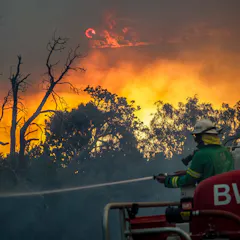
Both affect the lungs. Both can have serious health consequences in vulnerable populations. Both can have long-term health consequences.

Failed COVID-19 strategies have resulted in the spread of the virus to vulnerable Aboriginal communities in north-Western NSW.
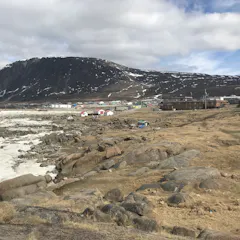
Inuit living in their traditional territory must travel long distances — often with no personal support — for specialized health-care services like cancer care, obstetrics and dialysis.
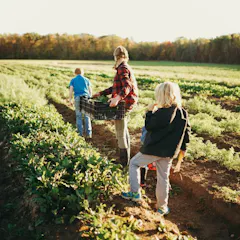
Both are essential on a farm, but the costs are making it harder for young farmers to grow their businesses.

Poor indoor air on tribal lands can cause a range of respiratory illnesses, including viral infections. Here’s how people are fixing the problem while preserving traditional ways.

As the scale of the pandemic revealed itself in March, one small town in Newfoundland created a community-led meals-on-wheels to support its seniors.

Rural health care will have to transform to survive.
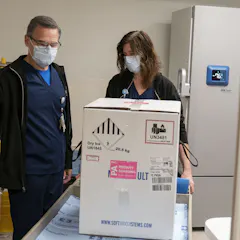
The vaccines’ cold storage requirements and shipment rules put small, rural communities at a disadvantage, but that’s only part of a long-running challenge.
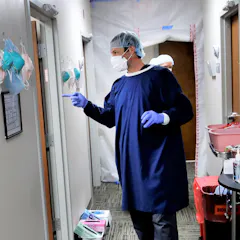
Hospitals are losing staff to quarantines as rural COVID-19 cases rise, and administrators fear flu season will make it worse. And then there’s the politics.

For rural people, these stresses are cumulative and contribute to higher levels of trauma, mental ill-health and in some cases, suicidal behaviour.

Coronavirus cases have risen sharply across the Mountain West, Midwest and plains. Over 70% of nonmetropolitan counties are now “red zones,” suggesting viral spread is out of control.
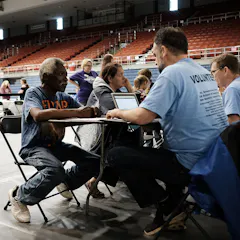
The pandemic has exacerbated existing issues of connectivity and access, but providers and patients are finding creative solutions.

Mobile health service providers should empower their personnel through the provision of periodic training on good customer relations.

Being able to identify communities that are susceptible to the pandemic ahead of time would allow officials to target public health interventions to slow the spread of the infection and avoid deaths.

Despite chronic housing need and persistent health and infrastructural inequities, northern communities are turning to the land and each other to prevent the spread of COVID-19.
Top contributors
-

State Policy Director, Farley Health Policy Center; Associate Professor of Family Medicine, University of Colorado Anschutz
-
Reader in Population and Public Health, MRC/Wits Rural Public Health and Health Transitions Research Unit, School of Public Health, University of the Witwatersrand
-
Adjunct Associate Professor, Menzies Centre for Health Policy and Economics, University of Sydney
-
Research Manager at MRC/Wits Agincourt Research Unit, University of the Witwatersrand
-
Professor of Family and Preventive Medicine, University of South Carolina
-
Director, Centre for Rural and Remote Mental Health and Professor of Rural Health Research, University of Newcastle
-
Senior Researcher in Public Health, University of the Witwatersrand
-
Principal Research Fellow, Griffith University
-
Associate Professor of Rural Health Research, Deakin University
-
Emeritus Professor, Menzies Centre for Health Policy, University of Sydney
-
Research Fellow, Equitable Cancer Outcomes across Rural and Remote Australia (ECORRA), Deakin University
-
Professor of Health Economics and Policy and Pharmaco-economics/pharmaco-epidemiology in the Departments of Health Administration & Management and Pharmacology and Therapeutics, College of Medicine, University of Nigeria
-
Professor of International Politics, Queen Mary University of London
-
Honorary lecturer at the School of Public Health, University of the Witwatersrand
-
National Clinician Scholar, Clinical Lecturer, Department of Emergency Medicine, University of Michigan Medical School, University of Michigan