
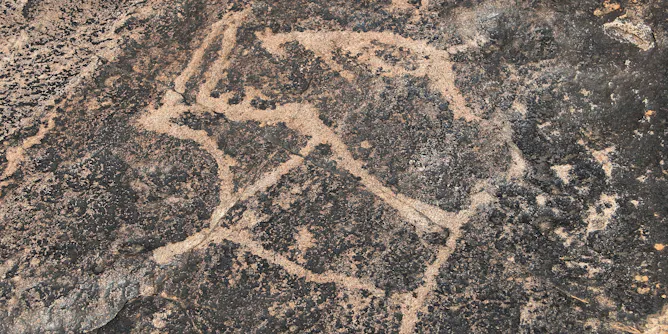
The Kurukop echo amplifies a mythological story from the Nama Karoo region.
Articles on Rock art
Displaying 21 - 40 of 72 articles
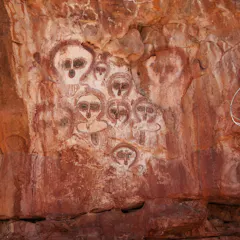
About 65,000 years ago, people started making art in the country we now call Australia. This is their story.
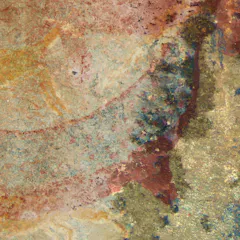
The first inhabitants of southern Africa knew about locally abundant dicynodont fossils and made rock art about them.

The image underscores the depth of indigenous knowledge exemplified by San people.
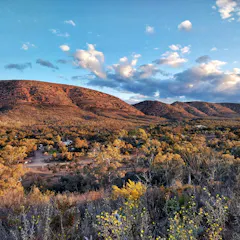
Lauren Fuge visits the Flinders Ranges with the Adnyamathanha owner-operator of an Indigenous cultural tourism centre. She asks: how did his people change the land, and how has it changed them?
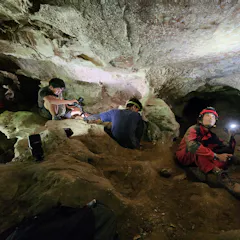
Figurative art presents lifelike representations of subjects. Using a new laser technique, we’ve dated figurative rock art painted 51,200 years ago.

Archaeologists have amassed a huge database of giant engravings in South America.
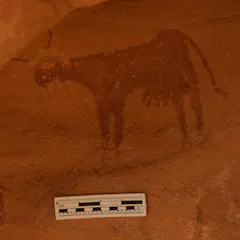
The theme of cattle in ancient rock art is one of most important pieces of evidence for a bygone age of the “green Sahara”.
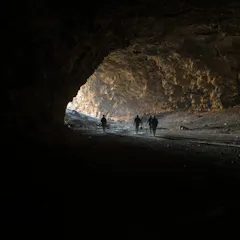
New research reveals signs of ancient human habitation in a vast cave beneath the Arabian desert. It may have been used as a waystation by Stone Age herders travelling from one oasis to another.
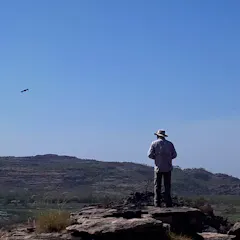
Rock art directly represents how our ancestors saw the world. A new approach involving the history of the landscape brings fresh meaning to Arnhem Land rock art.

Elephants can be viewed as geological engineers that create minor tectonic forces on the substrate they walk on.
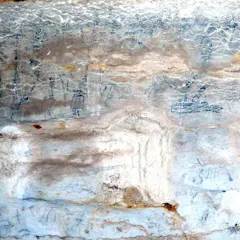
Rock art from a Malagasy cave hints at some remarkable cultural connections.
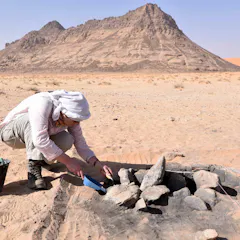
A close look at 7,000-year-old grinding stones left in ancient firepits shows wandering herders in northern Saudi Arabia carried heavy tools for working on bones, plants and rocks.

To the ǀXam and San people, being in the world as a person includes “the sky’s things” - an understanding of and deep connection with the cosmos.
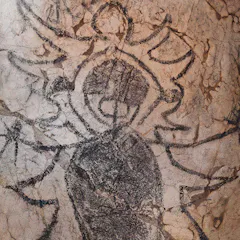
New dates for the rock art in the Gua Sireh cave in Malaysia reveal resistance to frontier violence between 1670 and 1830.
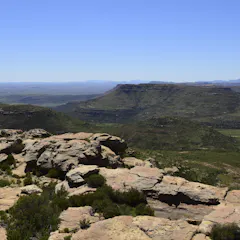
Some explorers believed they had found unicorns depicted on rocks. The truth behind the paintings is far more interesting.
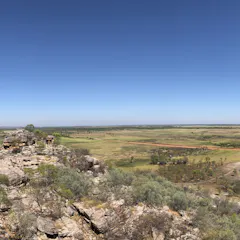
Beneath the floodplains of Arnhem Land lies a hidden landscape that has been transformed over millennia as seas rose and fell.
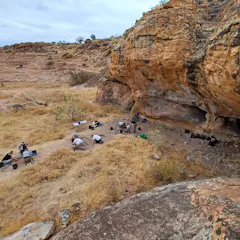
Hunter-gatherers were an important part of the development of the Mapungubwe Kingdom in southern Africa – a fact that history has tended to neglect.
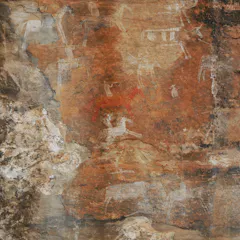
Changes in southern African rock art reflect the mixing of groups of people after they came into contact with each other.
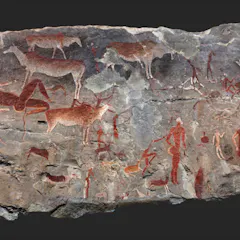
A new exhibition in Johannesburg focuses on the beliefs and paintings of the San people.
Top contributors
-

Chair in Rock Art Research and Director of the Place, Evolution and Rock Art Heritage Unit (PERAHU), Griffith University
-
Professor of Archaeology, Griffith University
-
Professor of Archaeological Science, Griffith University
-
Professor, Director of Centre for Rock Art Research + Management, The University of Western Australia
-
Research Centre of Archeometry, Badan Riset dan Inovasi Nasional (BRIN)
-
Professor, College of Creative Arts, Design and Humanities, Adelaide University
-
Professorial Research Fellow, Adelaide University
-
Senior Researcher, University of the Witwatersrand
-
Senior research fellow, Flinders University
-
Senior Erre Traditional Owner, Indigenous Knowledge
-
Research Associate, African Centre for Coastal Palaeoscience, Nelson Mandela University
-
Director, Australian Research Centre for Human Evolution, Griffith University
-
Lecturer in Clinical Communication, University of Liverpool
-
Associate professor in Vertebrate Palaeontology, University of the Witwatersrand
-
Senior Research Fellow, Centre for Social and Cultural Research, Griffith University