
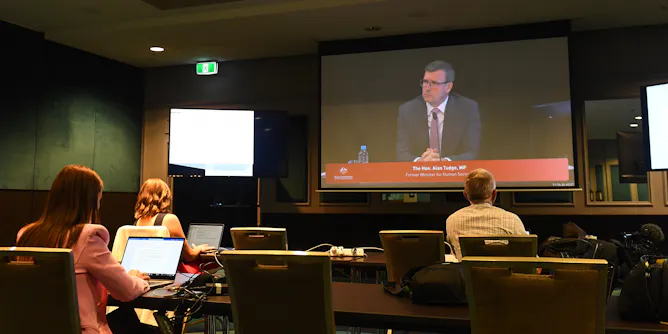
I crunched the numbers, and they suggest the Robodebt algorithm’s error rate was on the order of 80%.
Articles on Robodebt
Displaying 41 - 60 of 66 articles
My new report for the royal commission examines why the practice of income averaging is so problematic.

Robodebt should never again be framed as a technological glitch or a legal oversight. It was the active and direct exploitation of people’s vulnerability.

The unexpected contest will be a major test for opposition leader Peter Dutton, who is particularly unpopular in Victoria.

AI models are increasingly being used to make important decision about people’s lives – just take Robodebt. Yet the complexity of these systems means we hardly understand them.
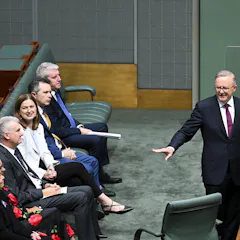
It was vintage Morrison, as he gave evidence on a scandal that involved appalling treatment of people wrongfully pursued in the name of the “integrity” of the welfare system

Robodebt sent a clear message to Australians that their government did not trust them.

Behind the planning process sits an opaque system of automated decision-making. It rests on a generated plan, called a ‘typical support package’.

University of Canberra Professorial Fellow Michelle Grattan and Associate Professor of journalism Dr. Caroline Fisher talk about this week in politics.
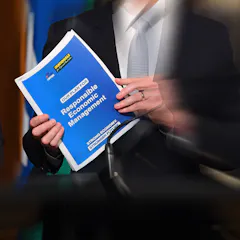
Making promises add up just before an election carries risks. Labor says its no longer willing to wear them.
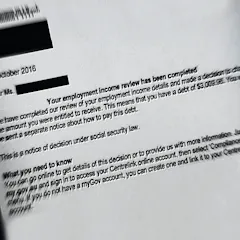
Financially stressing people who can’t make ends meet makes it hard for them to function.

The combination of community activism, journalistic investigation, political scrutiny and the legal aid system has ultimately provided a remedy to the victims.

The Morrison government is resisting calls for a royal commission into robodebt. But there are still too many unanswered questions about the controversial scheme.

Algorithms can take much of the hard work out of tough decisions. But to avoid problems like the Robodebt debacle or unfair parole rulings, we need to ensure machines operate with human-like ethics.

ParentsNext compels mothers into makework rather than work and devalues the work they do.

The government will repay interest and collection fees. What it hasn’t agreed to, yet, is the payment of damages.

Assuming machines could take the place of judges belies their role as the third arm of government and makers of law.

The Commonwealth has conceded that its program of automatic debt collection was unlawful. It’ll probably have to pay the money back.

University of Canberra VC Deep Saini and Michelle Grattan discuss this week in politics, and talk about what to expect in the last parliamentary sitting fortnight, which starts this Monday.

The Department of Human Service’s customer compliance staff will now be required to seek “additional proof” rather than solely relying on income averaging when determining if there is a debt.
Top contributors
-

Professorial Fellow, University of Canberra
-
Senior Lecturer in Administrative Law, La Trobe University
-
Emeritus Professor of Law, University of Sydney
-
Professor, Crawford School of Public Policy, Australian National University
-
Visiting Fellow, Crawford School of Public Policy, Australian National University
-
Associate Professor of Public Law, The University of Melbourne
-
Associate Professor, Faculty of Law, Monash University
-
Associate Professor of Law, Member of Deakin Cyber and the Centre for Law as Protection, Deakin University, Deakin University
-
Lecturer in Law, Sydney Law School, University of Sydney
-
Canada Excellence Research Chair in Health Equity and Community Wellbeing; Professor, School of Disability Studies, Toronto Metropolitan University
-
Associate Professor of Law, Adelaide University
-
Senior Lecturer in Law, University of Technology Sydney
-
Senior Strategic Analyst, Monash University
-
Associate Professor, Anthropology, Macquarie University
-
Associate Professor of Public Policy, Crawford School of Public Policy, Australian National University