
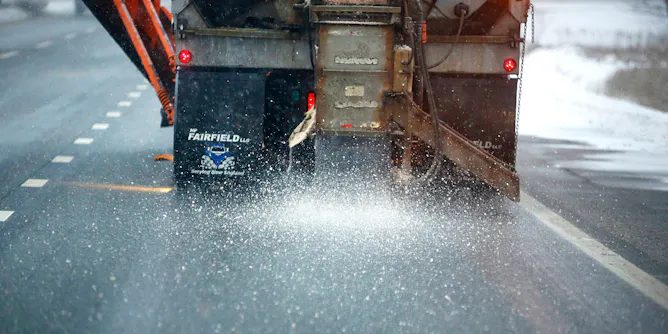
Wastewater from Pennsylvania’s oil and gas wells is salty and radioactive, and doesn’t suppress dust. Two researchers explain why it keeps ending up on rural roads.
Articles on Road salt
Displaying all articles
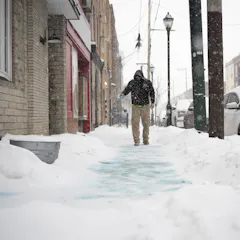
Excess road and sidewalk salt flows into storm drains and ultimately into area streams and rivers, affecting fish and other aquatic organisms.

Storing the sun’s energy underground could help keep Canada’s roads ice-free in the winter months as a safer and cheaper alternative to plows and salt.
Dogs might have furry coats, but they can still get cold when the temperature drops.

Increasing awareness of the dangers ‘forever chemical’ road salts pose to our fresh water systems highlights the urgent importance of finding new approaches to de-icing our roads.
Salty water seeps into our soils and groundwater through surface runoff and storm-water pipes. The long-term storage of salt in the environment impacts aquatic life, infrastructure and drinking water.
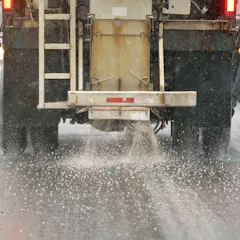
De-icing salts help us get around in winter, but they corrode cars, crack roads and contaminate rivers and lakes. Scientists are working to develop better options by imitating natural antifreezes.
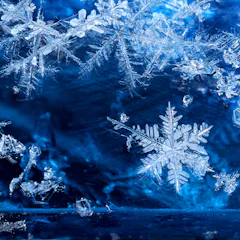
Love it or hate it, winter means snow and ice for much of the US. In many places, though, snow is becoming a scarce resource.
Patching concrete sidewalks, roads and bridges after every season of snow and ice is expensive. A team of engineers is now testing a new approach harnessing bacteria to patch the potholes and cracks.

When it snows, it pours – but why do municipalities treat the roads with salt? A chemist explains how salt affects water and ice.
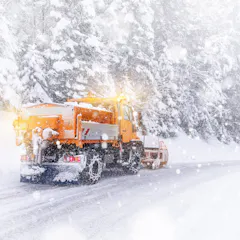
With frigid temperatures and snow in the forecast, slippery roads can’t be far behind. Salt keeps roads safe, but it’s harmful to aquatic environments.
Top contributors
-

Post-doctoral fellow, Queen's University, Ontario
-
PhD Candidate, Queen's University, Ontario
-
Professor of Hydrogeology, Department of Earth & Environmental Sciences, University of Waterloo
-
Health Sciences Assistant Professor of Clinical Veterinary Medicine, University of California, Davis
-
Postdoctoral Fellow, Ecohydrology Research Group, University of Waterloo
-
Research Associate Professor, Department of Earth & Environmental Sciences, University of Waterloo
-
PhD Student, Department of Ecology and Evolutionary Biology, University of Toronto
-
Associate Professor of Chemistry, University of Richmond
-
Research Scientist and Adjunct Professor, University of Denver
-
Assistant Professor of Civil Engineering, Drexel University
-
PhD Student in Earth and Environmental Sciences, University of Waterloo
-
Knowledge Mobilization Specialist, Water Institute, University of Waterloo
-
Associate Professor of Environmental Science, Villanova University
-
Professor of Biogeochemistry and Canada Excellence Research Chair Laureate in Ecohydrology, University of Waterloo
-
Associate Professor of Environmental Engineering, Penn State