

We urgently need relationship and sex education that’s relevant to teenagers and focuses on reducing risks – not making them scared to seek help.
Articles on Risky sexual behaviour
Displaying all articles

Strangulation has traditionally been viewed as a violent act and has long been recognised as an assault in criminal law.
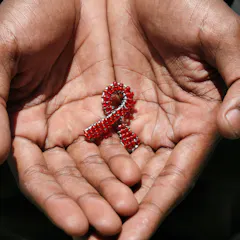
Underlying social and structural causes of behaviour - such as poverty and gender disparities - are often ignored. But these are potential drivers of HIV infection among young people.
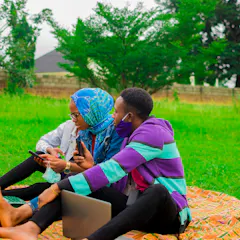
Positive experiences in romantic relationships can improve communication skills and conflict management skills.
Adolescent girls experience a number of vulnerabilities which incease their risk of engaging in risky sexual behaviours.

Religiosity has been associated with lower alcohol, drug use and risky sexual behaviours in young people in the Western Cape.
The sexualized use of crystal meth by gay men is one of the key drivers of rising HIV rates and has many negative mental health consequences. Integrated sexual and substance use care is vital.
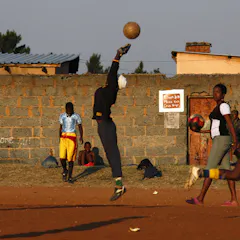
When after-school clubs aren’t properly monitored, they can become risky spaces.

Online social networking technologies have been linked with increased risky sexual behaviour – and Swaziland is no different.
Top contributors
-

Reader (Associate Professor), University of the Witwatersrand
-
Assistant Professor, Kyoto University
-
Chief Specialist Scientist : Alcohol Tobacco and Other Drug Research Unit, South African Medical Research Council
-
Senior Lecturer, Demography and Population Studies, Schools of Social Sciences and Public Health, University of the Witwatersrand
-
Assistant Professor, Department of Medicine, University of British Columbia
-
Lecturer in Social Work, University of Edinburgh
-
Professor of Epidemiology and Public Health, University of Malawi
-
Lecturer in Psychology, Mzuzu University
-
Research Fellow, Adolescent Health Unit, College of Medicine, University of Ibadan
-
Professor in Criminal Law, Durham University
-
PhD Candidate, Communications & Culture, School of Arts and Humanities, Edith Cowan University
-
Lecturer in Public Health, School of Medical and Health Sciences, Edith Cowan University