

The same tools that companies use to sell products can be used to encourage people to get vaccinated, get a colonoscopy or get treated for an infection.
Articles on Risk perception
Displaying all articles
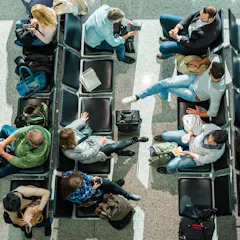
When a plane crashes, it’s natural to question just how safe flying really is. Here’s what the data shows – and why we often perceive the risk to be greater than it is.

The day after heavy drinking can affect your body, energy levels and perception of risk in many ways. So swim before you drink, not the other way round.

Natural curiosity, developing motor skills, and a limited understanding of risk make for a dangerous combination.
Air travel is safer than you might think, despite the publicity surrounding the recent Singapore Airlines incident. Here’s what’s going on to distort your perception of risk.

If you feel safer, you might take more risks – canceling out the benefits of various safety interventions. But educating people about this paradox and allowing for some personal choice might help.
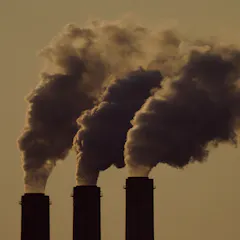
Policymakers, industry regulators and investors must team up to mandate that corporations provide CEOs with financial compensation for reducing carbon footprints.
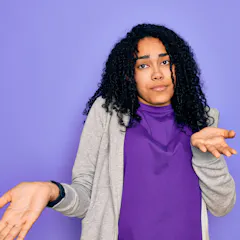
More than two years into the pandemic the world is a very different place. But this only partly explains different people’s responses to COVID.
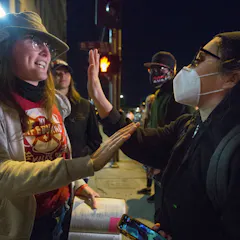
How you respond to a risk depends on how you weigh the costs and benefits of an action. The problem is you’re not just a logical computer, and emotions bias your interpretation of the facts.
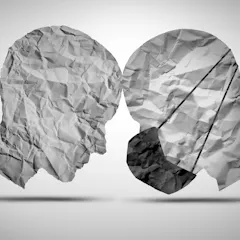
Multiple factors determined whether or not individual Americans adopted COVID-19 safety measures, according to statistical analysis of public opinion data.

During the pandemic, clear and reliable health communication can literally be a life-and-death issue. Researchers who focus on the science of science communication highlight strategies that work.
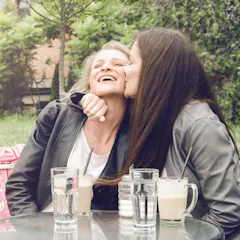
How we perceive personal risk, and how well we comply with public health measures, can change depending on whether we are around people we know or strangers.
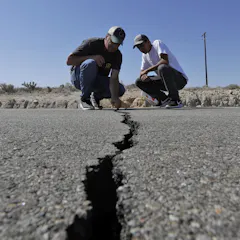
Engineers know how and where to build to minimize earthquake damage. But laws don’t always reflect that wisdom. A new study suggests it’s because of a mismatch between risk perceptions and reality.

Cases of measles are on the rise as a cohort of unvaccinated children grows up.
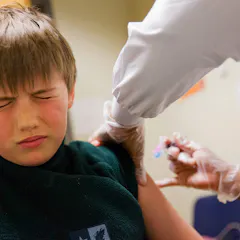
People have to make countless decisions on a daily basis that involve some degree of risk, from boarding a plane to crossing the street. The trouble is most of us don’t weigh risk well.

LSD is far safer than alcohol or tobacco, so why don’t drug laws reflect it?
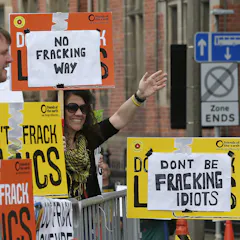
Our gut reactions to controversial issues like hydraulic fracturing can be powerful, but information can still change our minds.
Top contributors
-

Associate Professor, Epidemiology, Deakin University
-
Honorary Academic and Research Fellow, University of Liverpool
-
Lecturer of Business Law, University of Leeds
-
Postdoctoral Research Fellow and Clinical Psychologist, UNSW
-
Professor and Chair of Life Sciences Communication, University of Wisconsin-Madison
-
Associate Professor of Business, Boston University
-
Professor, School of Population Health, UNSW
-
Postdoctoral Fellow in Life Sciences Communication, University of Wisconsin-Madison
-
Assistant Professor of Civil Engineering, Purdue University
-
Associate Professor of Health Law, Policy and Management, Boston University
-
Assistant Professor of Life Sciences Communication, University of Wisconsin-Madison
-
Full Professor, Faculty of Business Administration, Memorial University of Newfoundland
-
Assistant Professor of Sociology, University of South Florida
-
Professor and Program Lead in Adolescent Mental Health at the Black Dog Institute; Clinical Psychologist, UNSW
-
Founder Professor of Computer Science, University of Illinois Urbana-Champaign