
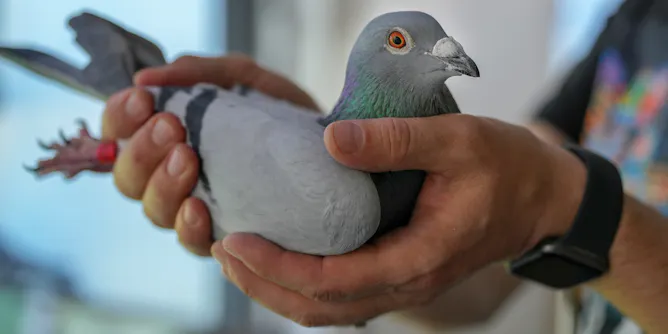
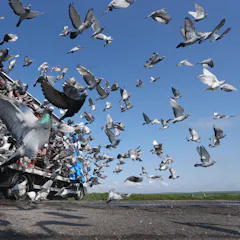
By testing hundreds of pigeon fanciers, researchers hope to predict who is most at risk and improve treatment for a wider family of lung diseases.
Articles on Respiratory disease
Displaying 1 - 20 of 59 articles
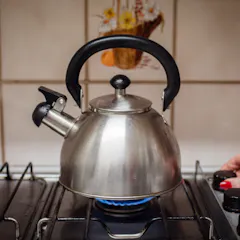
People with poorly controlled asthma may be able to breathe easier by making a change in the kitchen.
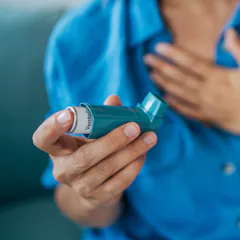
A new generation of drugs could ‘switch off’ asthma, effectively curing it. That would mean no more puffers and no more flare-ups.

In the second half of 2025 influenza killed more Australians a month than COVID. Here’s how it happened.

Authorities are racing to contain a suspected outbreak of a rare respiratory disease. A microbiologist explains what it is and how it spreads.
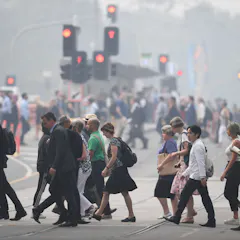
Should I use my aircon? Do I need an air purifier? Can indoor plants help? And which masks actually work for smoke?
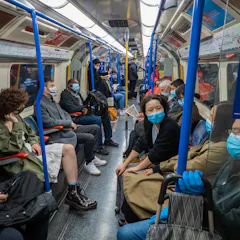
NHS leaders are encouraging people with flu symptoms to mask up in public. Does the science support this advice?
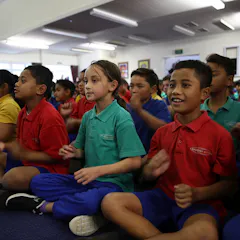
Unchecked airborne infections cost billions in lost health and productivity each year – likely more than the cost of better ventilation to clean up indoor air.
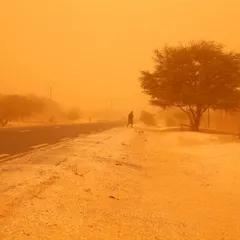
The Harmattan is linked to a range of conditions that affect the skin and mucous membranes of humans and animals.

A fever and a nasty cough can be symptoms of a range of respiratory illnesses. An antigen test that narrows down the culprits can speed up diagnosis and recovery.
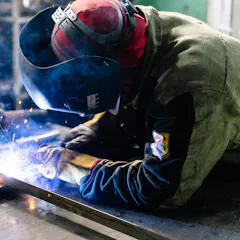
A new study finds Australian welders are being exposed to high levels of potentially carcinogenic fumes. We must do more to protect them.
A range of jobs and hobbies are risk factors for lung disease.
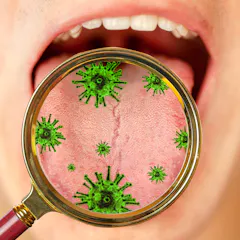
Taking care of your smile could prevent disease elsewhere in the body.
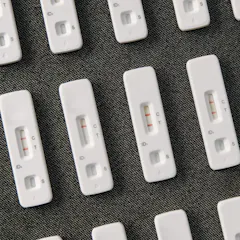
On the fourth anniversary of New Zealand’s first COVID case it’s clear this is not a normal pandemic. Despite fatigue and indifference, New Zealand must heed the evidence and improve its response.
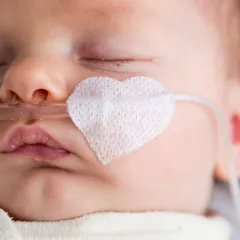
Even otherwise healthy children can end up in hospital with this winter respiratory virus.

Older smokers and former smokers will be invited to have their lungs scanned under a new screening programme the NHS is rolling out.

Here’s why it’s taken so long to develop a vaccine for respiratory syncytial virus and what we can expect next.

While RSV can become severe for any child, it poses a particularly serious threat for the youngest babies and for high-risk children.

When it comes to reducing the spread of COVID, ventilation is often an afterthought. But cleaner air needs to be front and centre of our COVID mitigation strategy. Here’s why.
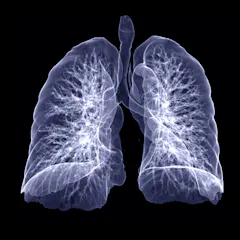
Understanding how injury and disease, including COVID-19, can impair lung function can help researchers and clinicians better help patients who are experiencing chronic conditions
Top contributors
-

Research Associate Professor of Public Health, University of Otago
-
Data Manager, Center for Respiratory Diseases and Meningitis, National Institute for Communicable Diseases
-
Co-head of the Centre for Respiratory Disease and Meningitis, National Institute for Communicable Diseases
-
David King is a Friend of The Conversation.
Senior Lecturer in General Practice, The University of Queensland
-
Medical Epidemiologist at the National Institute of Communicable Diseases and Lecturer at the School of Public Health, University of the Witwatersrand
-
John Curtin Distinguished Professor of Health Science, Curtin University
-
Respiratory, sleep and general physician and conjoint lecturer in medicine, University of Newcastle
-
Professor of Respiratory Medicine and Head of Experimental Studies Medicine, Imperial College London
-
PhD Candidate, The University of Melbourne
-
Professor Global Public Health, University of York
-
Professor, University of Pretoria
-
Senior lecturer, Monash University
-
Postdoctoral Fellow, University of British Columbia
-
Associate Professor and Head of Respiratory Environmental Health, The Kids Research Institute Australia; Curtin University
-
Emeritus Professor of Medicine, Adelaide University