

The ability of queen bumblebees to breathe and survive underwater could play an important — and previously overlooked — role in the resilience of threatened bee populations.
Articles on Respiration
Displaying all articles
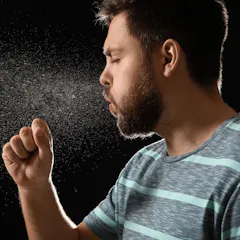
The concentration of CO2 in the air directly affects how long a virus remains infectious.
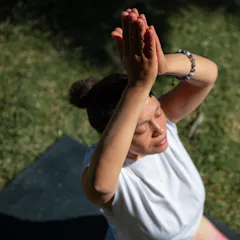
Normally, breathing happens automatically. But we can control our breath, by directing the movement of our diaphragm and mouth. And the benefits are significant and wide-reaching.
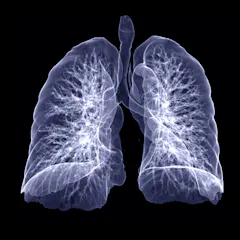
Understanding how injury and disease, including COVID-19, can impair lung function can help researchers and clinicians better help patients who are experiencing chronic conditions
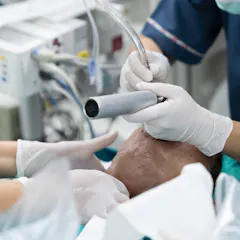
The term ‘intubation’ is used when experts talk about treating patients with severe COVID-19. But this medical term doesn’t explain the traumatic procedure involved.
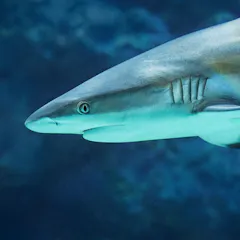
Rather than breathing in and out through the mouth, fish use a one-way system, passing water in one direction over their gills.
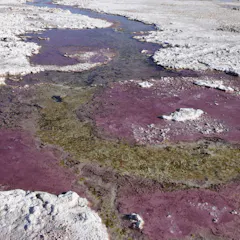
How ancient microbes survived in a world without oxygen has been a mystery. Scientists discovered a living microbial mat that uses arsenic instead of oxygen for photosynthesis and respiration.
Top contributors
-

Adjunct Professor of Chemistry, Quinnipiac University
-
Professor, School of Nursing and Midwifery, Southern Cross University
-
Associate Professor, School of Biotech & Biomolecular Science, UNSW
-
Professor, Macquarie University
-
Professor of Marine Sciences, University of Connecticut
-
Associate Professor of Medical Sciences, University of Wollongong
-
Assistant Professor of Medicine and Pharmacology, University of Virginia
-
Senior Lecturer, Clinical Psychology, University of Wollongong
-
Assistant Professor of Medicine, University of Virginia
-
Postdoctoral Research Fellow, Faculty of Science, School of Earth & Atmospheric Sciences, Queensland University of Technology
-
Research Fellow, School of Chemistry, University of Bristol
-
Postdoctoral Researcher in Pollinator Ecology, L’Université d’Ottawa/University of Ottawa
-
Professor/ Rebanks Family Chair in Pollinator Conservation, University of Guelph
-
Professor, Department of Biology, L’Université d’Ottawa/University of Ottawa