
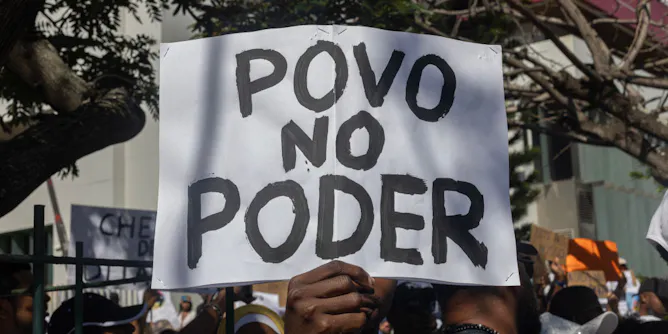
It is 50 years since Mozambique achieved its independence from Portugal. But celebrations are being marred by deep divisions.
Articles on Renamo
Displaying all articles

Mozambique struggles to create a unified nation because of its diverse cultures, colonial history, socialism and globalisation.
The ongoing political crisis in Mozambique is rooted in history. Frelimo abandoned the path to true democracy 40 years ago and became increasingly repressive.

Tanzania’s refugee policy in the 1990s is a good example of how geopolitics affects ordinary refugees.
Policies that reduce poverty, inequality and socioeconomic insecurity lower the incentive to engage in or tolerate terrorism.
Study shows that Mozambique 1992 peace agreement was never the success it was claimed to be. The country’s democracy remains weak.

The Southern African Development Community does not have a remarkable record of military interventions in civil conflicts in the region.
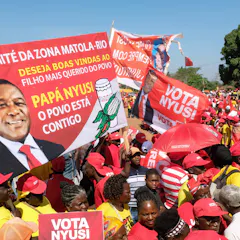
During the campaign, partisans of all political stripes were responsible for the violence. But Frelimo supporters were far more aggressive and violent.
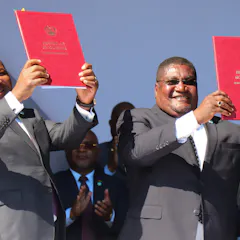
The splintering in Renamo has its origins in the unexpected death last May of Afonso Dhlakama, its leader of 39 years.
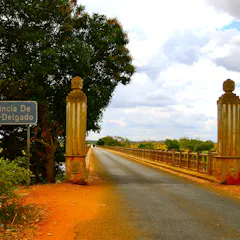
Speculation and conspiracy theories abound about the Mozambican insurgents leaving a trail of violence in resource rich Cabo Delgado.
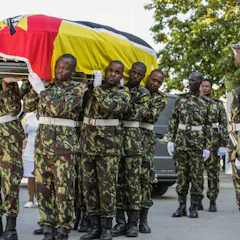
The death of Mozambican opposition leader Alfonso Dhlakama could affect the progress made to end hostilities in the country.
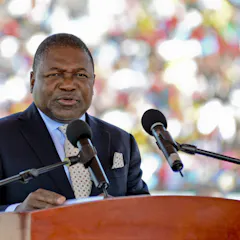
The main sticking point in the failed efforts at peace is the demand by Renamo that it be allowed to appoint provincial governors in the provinces where it claims to have won an electoral majority.

Mozambique has made significant progress in its fight against poverty despite recent economic and political challenges

Mozambican civilians are again bearing the consequences of war between the government and opposition party Renamo. How has Renamo mobilised popular support for a new uprising?
Top contributors
-

Senior lecturer, Stellenbosch University
-
Professor at the PhD Course in Peace, Democracy, Social Movements and Human Development, Universidade Técnica de Moçambique (UDM)
-
Professor of African history, Queen's University Belfast
-
Assistant Professor, Loyola University Chicago
-
Professor of Economics, University of Copenhagen
-
Lecturer, American University
-
Jan Smuts Professor of International Relations and Director of the African Centre for the Study of the United States (ACSUS), University of the Witwatersrand
-
Assistant Professor, Embry-Riddle Aeronautical University
-
Assistant Researcher, Centre for African and Development Studies, Universidade de Lisboa
-
Assistant Professor of Homeland Security, DeSales University
-
Losophone Research Specialist/Adjunct Professor in African Studies, Carleton University
-
Senior Director, Transformation Strategies Department, International Food Policy Research Institute (IFPRI), CGIAR