

Nigeria’s new Virtual Assets Council doesn’t close all the loopholes in crypto-asset regulation.
Articles on Remittances
Displaying 1 - 20 of 22 articles

Cubans are using AI image generators to imagine US intervention in their country. The results look straight out of the 1890s.

The respectful return in death, like the festive Christmas return of migrants, reinforces ties between generations.

Mexican groups are the most common, but immigrants from Turkey, Bolivia and many more countries have formed their own.

Indian American donors will have an opportunity to collectively fund improvements in education, health care and gender equality in India on March 2, 2023.

Thousands of racialized women around the world run mutual aid co-ops to help each other and develop their communities.

Migrant workers’ families suffer from limited access to pandemic-related health care and loss of income.

Remittances to countries like Mexico, Pakistan and Vietnam are keeping pace with 2019’s record levels or in some cases rising, despite spring forecasts of a 20% decline.

The hard truth is that the more the isolation is contained, the greater the economic problems will be.
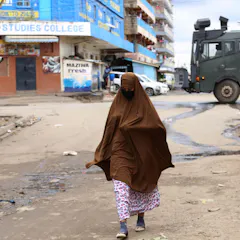
Nairobi’s refugees have few savings and depend on the day-to-day cash they generate from street vending.

The way richer nations respond to the coronavirus crash will have significant economic ramifications for countries dependent on remittances.

Westpac’s decision to shut down its LitePay money transfer system will hurt people relying on remittances throughout the Pacific region.
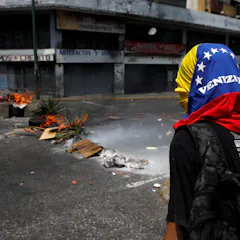
For one, you can’t break an economy that’s already broken.

There are good reasons to be sceptical of the Facecoin project.
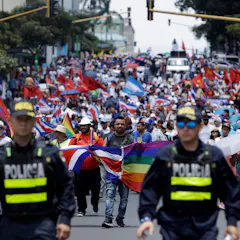
Nicaraguan migrants send over US$1 billion home each year. This money has played a changing role in domestic politics – first boosting the Ortega regime and, now, sustaining the uprising against him.
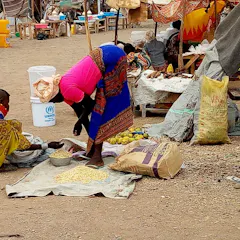
Refugee policy may well be a humanitarian issue. But it is also a development issue.
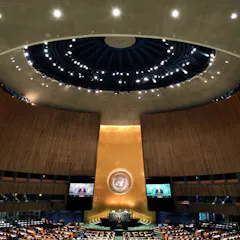
In a changing and unsettled world, migration can be a greater-than-ever contributor to development for communities of origin, destination areas, and for the migrants themselves.

Already becoming a darling of Wall Street, blockchain technology’s biggest real benefits could come to the world’s poorest people. Here’s how.

Tajikistan, a longstanding human rights violator, has been cracking down harshly on what’s left of its political opposition.
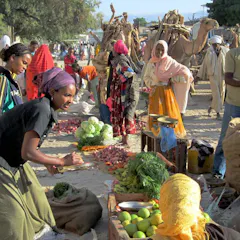
With fewer options available to send much-needed money to their family overseas, migrant communities fear severe consequences.
Top contributors
-

Professor of Public Administration and Policy, University at Albany, State University of New York
-
Professor of Law, La Trobe University
-
Associate Professor of Sociology, Fort Lewis College
-
Professor in International Relations, University of Exeter
-
Doctoral Researcher in climate impact, Potsdam Institute for Climate Impact Research
-
Senior economist, IFC, World Bank Group
-
Adjunct professor, Department of Social Inquiry, La Trobe University
-
Professor of Forced Migration and International Affairs, University of Oxford
-
Professor of the Practice, Duke University
-
Associate professor, University of Oxford
-
Postdoctoral Researcher in Social and Cultural Anthropology, University of Helsinki
-
Associate Dean and Professor - IE School of politics, economics and global affairs, IE University
-
Professor of Financial Economics, Loughborough University
-
PhD student in Economics, Columbia University
-
Senior Lecturer, Department of Political Science, Universitas Brawijaya