
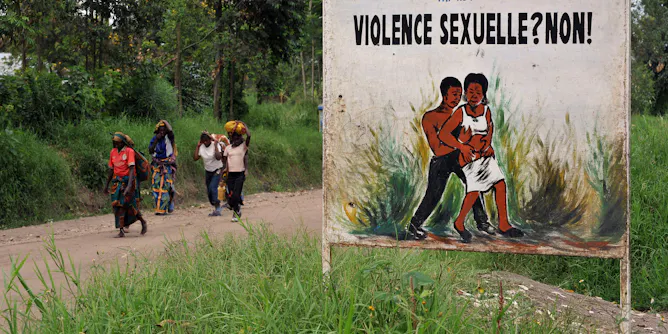
Men and women who took part in an interfaith programme experienced a remarkably lower incidence of violence, even years later.
Articles on Religious leaders
Displaying 1 - 20 of 29 articles

As immigration enforcement crackdowns expand across the US, communities can mobilize to lessen the public health impacts.
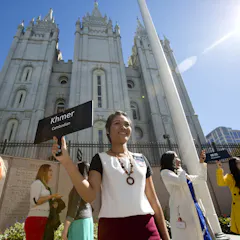
The church, whose members are often known as Mormons, has grown from a small community to 17.5 million members around the world – but not without some tensions.
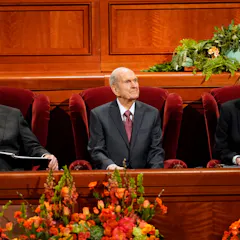
Russell M. Nelson pushed the church away from members’ longtime nickname, ‘Mormons’ – a term that has shaped other Americans’ view of the church for 200 years.
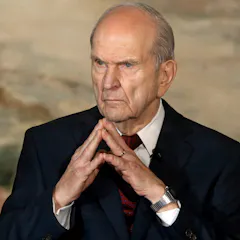
Nelson was ordained as the ‘prophet, seer and revelator’ of the Mormon church in 2018. He was 93 at the time.
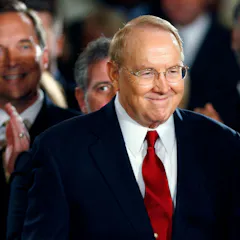
For Americans who do not follow evangelical Christian media, James Dobson may not have been a household name. Yet the views he promoted shaped US society for more than 50 years.
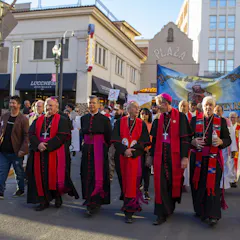
New research from sociologists finds that local Catholic leaders are more likely than many other Christian clergy to speak about immigration with their congregations.
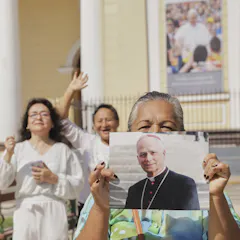
Peruvians have celebrated the election of a man many knew as a missionary and bishop during his 2 decades of service in the South American country.
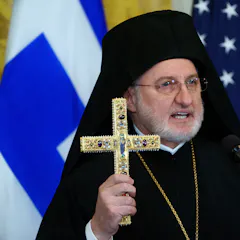
Russia and Turkey’s international religious influence relies on a specific national narrative – one that is challenged by the Patriarchate of Constantinople.

Churchgoers who think their religious leaders don’t believe humans are driving climate change are less likely to discuss it with fellow congregants or take action to mitigate the effects.
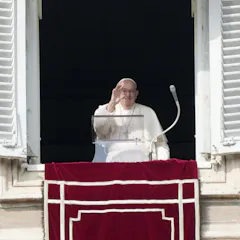
The pope’s embrace of literature and history is a sharp contrast to some of his predecessors, a medievalist explains.
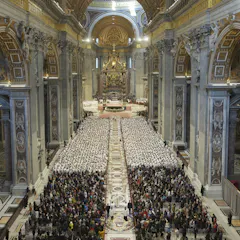
The pope leads the Catholic Church, but some 2,000 other people work at the Holy See and city-state.
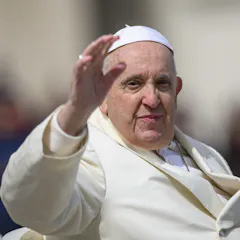
A scholar of global Catholicism writes how Francis has opened the church to the outside world in ways no pope had done before.

The conclave system may seem dramatic, but it was developed after centuries of outside interference and looting.

Intellectual humility means being open to new ideas and other points of view – and for leaders, it can be a delicate balancing act.
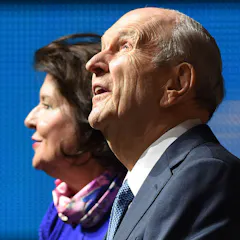
Latter-day Saints’ attitudes toward the word ‘Mormon,’ often used to describe the church, have had highs and lows − like other Americans’ often-tense relationship with the faith.

Spiritual leaders’ own pain often goes unnoticed as they tend to their community’s challenges.
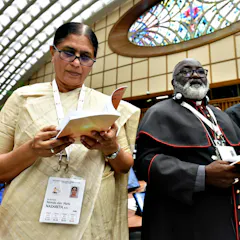
Pope Francis’ Synod on Synodality is attempting to move the church toward a more dialogue-based model of authority, a scholar of Catholicism explains.
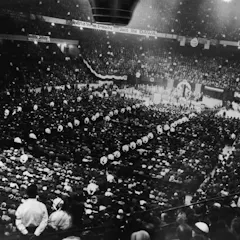
Two social scientists analyzed periodicals from US religious leaders in 1935 to determine what factors influenced groups’ sympathy, ambivalence or outrage about Hitler and Nazi Germany.
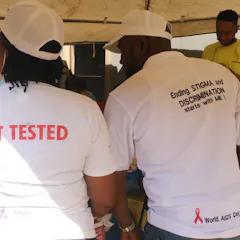
When people living with HIV in Nigeria receive support from close friends, they are less likely to experience stigma and associated poor health outcomes.
Top contributors
-

Professor Emerita of Medieval History, University of Rhode Island
-
Professor of the Psychology of Religion and Theology, Boston University
-
Senior Lecturer of Religious Studies, University of Arizona
-
Associate Professor of Religious Studies, Rhodes College
-
Associate Professor of Instruction, The University of Texas at Austin
-
Associate Professor of Political Science, Erie Campus, Penn State
-
Assistant Professor of Religious Studies, Case Western Reserve University
-
Assistant Professor of Public Health, University of Iowa
-
Lecturer, Universitas Gadjah Mada
-
Distinguished President’s Fellow for Global Development, Purdue University
-
Assistant Professor of International Security & Law, George Mason University
-
Professor of Sociology and President, Bryn Mawr College
-
Assistant Professor of Political Science, Iowa State University
-
Clinical and Research Psychologist, The Danielsen Institute, Boston University
-
Head of International Programs, African Population and Health Research Centre, APHRC, Nairobi, Kenya., University of Johannesburg