
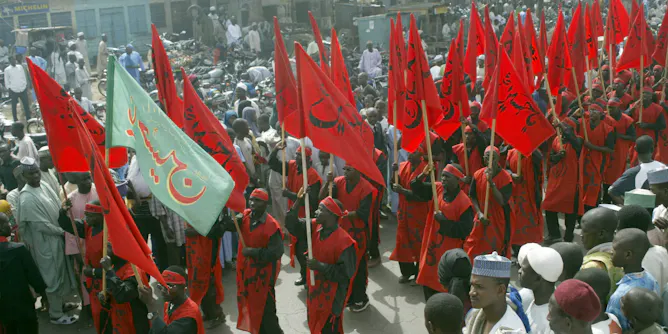
Although the theatre of the war is far away from Nigeria geographically, the impact is being felt in the country.
Articles on Religious extremism
Displaying 1 - 20 of 31 articles
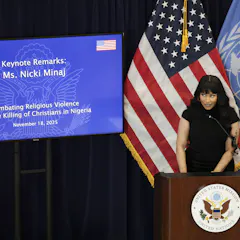
Airstrikes may disrupt militants, but Nigeria’s insecurity is rooted in a governance collapse that military force alone cannot fix.
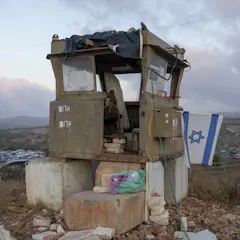
Violence in the West Bank has intensified since the Oct. 7, 2023, Hamas attack on Israel and the ensuing war in Gaza.
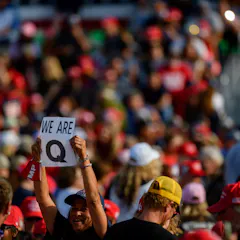
The foundational belief of many of the QAnon followers is that Donald Trump is the heroic figure fighting the elite pedophile ring.

The settler movement has unprecedented power in Israel today − the result of a decades-long push to mainstream its views and leaders.
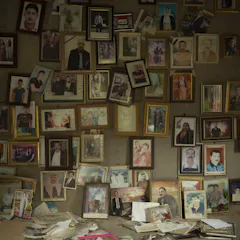
Yezidis are an example of what one scholar calls ‘liminal minorities’: faith communities whose religions’ legitimacy is denied by more powerful groups.
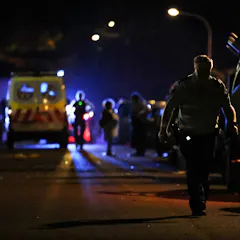
Sydney has seen two stabbing incidents within days of each other. Grim comparisons are inevitable, but what makes them different?
Nigeria is deeply polarised along ethnic, religious, cultural and political lines – and violence is never far from the surface.
Both cults and violent extremist movements have similar push and pull factors at the individual level.
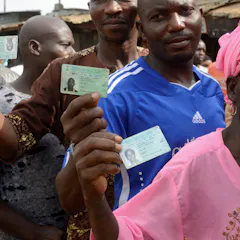
Logistical challenges facing the 2023 elections remain huge given the number of political parties, the security environment and the number of contestants at various levels.
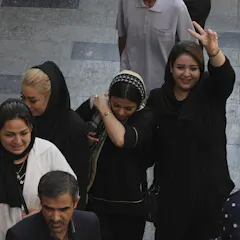
To many Iranians, a revolution has happened given the public’s embrace of women and their demands amid ongoing protests. The question is whether the solidarity holds up and the regime listens.
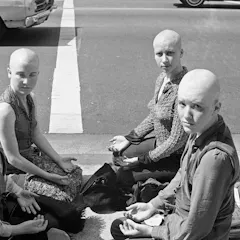
What is the appeal of cults? How do they work? And what is the damage they do? A new book, by the creator of the podcast Let’s Talk About Sects, answers these questions and more.
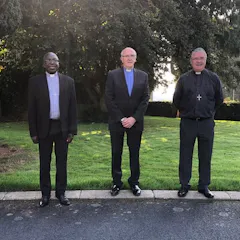
A church service marking Northern Ireland’s centenary has stirred up debate. But amid the past few years’ tensions, the island’s Christian leaders have coordinated closely.
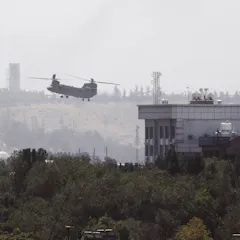
The Taliban ‘expect a complete handover of power.’ Experts explain who the Taliban are, what life is like under their rule and how the US may bear responsibility for Afghanistan’s collapse.
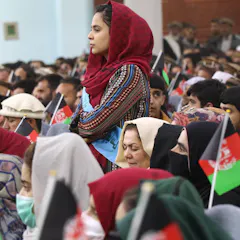
Burqas and male chaperones for women were features of the Taliban’s extremist rule of Afghanistan in the 1990s. Those policies are now back in some districts controlled by these Islamic militants.
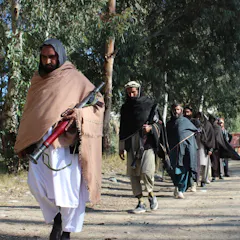
Two decades have passed since the US invasion of Afghanistan toppled the Taliban’s Islamic extremist regime. Despite efforts to update its image, the group still holds hard-line views.

Muslim women say the practice of wearing masks has given them more confidence to wear face coverings in public.
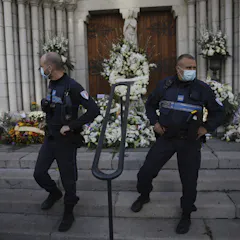
Attacks on houses of worship are increasing, as part of a trend of growing global violence. The aftermath of these attacks often includes interfaith dialogue and community support.
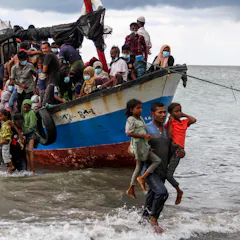
Islamic solidarity, customary law and their experience of conflict and foreign aid can explain the Acehnese greeting people in need with open arms.
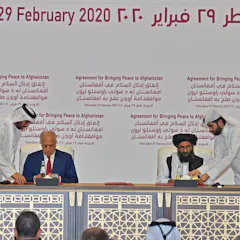
A peace deal with the Taliban has been signed. But rebuilding Afghanistan after three decades of conflict will take much more than an accord, says a scholar of peacebuilding.
Top contributors
-

Associate Professor of International Relations and Women's, Gender, and Sexuality Studies, Stanford University
-
Professor of Anthropology, Emerita, Concordia University
-
Chair in Global Islamic Politics, Alfred Deakin Institute for Citizenship and Globalisation, Deakin University
-
Director, Center for Afghanistan Studies, University of Nebraska Omaha
-
Director of Security Studies and Professor of Criminology and Justice Studies, UMass Lowell
-
Faculty Lecturer, Johns Hopkins University
-
Senior Lecturer (Education), University of Aberdeen
-
Professor of Political Institutions, Governance and Public Policy, University of Ibadan
-
Professor of Philosophy, Public Policy and Governance, University of Washington
-
Doctoral Student, George Mason University
-
Professor of Sociology and Social Research, Deakin University
-
Professor and Director of the School of Politics and Global Studies, Arizona State University
-
Principal Teaching Fellow, Institute of Education, UCL
-
Professor, Head of Moray House School of Education and Sport, University of Edinburgh
-
Lecturer, Political Science, Obafemi Awolowo University