

Some people with obsessive-compulsive disorder have experienced traumatic events as children, and develop a deeply held fear of who they are or might become.
Articles on Rejection
Displaying all articles

As a parent, it can be painful to witness our child’s struggles after rejection. But there are ways to help them process the setback.

People who have rejection sensitivity may experience anger, shame or shut down emotionally when they’re criticised or feel like they’ve been criticised.

Indecision reflects self-interest more than sensitivity – and leaves friends, family and acquaintances feeling disrespected.

Rejection can feel physically painful. It also provides a lesson for your brain on whom to connect with and how.

Humans have complex psychological monitoring systems that track whether we are at risk of being pushed out of groups.

It’s understandable to worry about coming across as awkward, or being seen as cringeworthy. But embracing our cringey selves can improve our self-confidence and even our dating lives.

Nearly 80% of people have accepted invitations to events they didn’t want to attend.
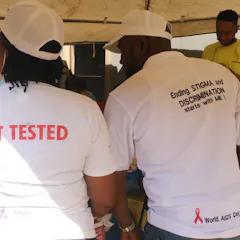
When people living with HIV in Nigeria receive support from close friends, they are less likely to experience stigma and associated poor health outcomes.

A trauma-informed approach to education can help educators acknowledge and address the adversities faced by Black and Indigenous students.

Several studies found that using the excuse ‘I don’t have time’ when declining an invitation harmed the relationship with the person who extended it.

A psychologist explains how to improve your ability to respond to challenges.

It can be a painful experience to be rejected by your heritage culture.

New research highlights how the pain of a breakup can linger for years.

Take care lovers, wherever you are, as Valentine’s Day is soon upon us. Whether you’re in a relationship or want to be in a relationship, research over a number of years shows that February 14 can be a…
Top contributors
-

Assistant Professor of Marketing, West Virginia University
-
Ph.D. Candidate in Psychology, Stanford University
-
Associate Professor, School of Psychology, UNSW
-
Lecturer in Psychology, Brunel University of London
-
Lecturer, Brunel University of London
-
Associate Professor, King’s School of Social Work, Western University
-
Assistant Professor of Marketing, New York Institute of Technology
-
Assistant Professor of Public Health, University of Iowa
-
Assistant Professor, Social Work, Mount Royal University
-
Harvard University
-
Ph.D. Candidate in Community and Behavioral Health, University of Iowa
-
Head of International Programs, African Population and Health Research Centre, APHRC, Nairobi, Kenya., University of Johannesburg
-
Assistant Professor of Marketing, The Ohio State University
-
Professor of Psychology, Griffith University
-
Senior Lecturer in Developmental Neuroscience, University of Lancashire