
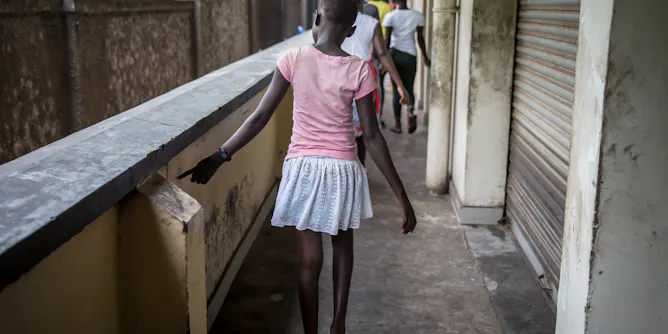
A gender perspective on public health is essential to human rights and safety in crisis situations.
Articles on Rape
Displaying 101 - 120 of 318 articles

Many people do not realise victims do not have access to their own lawyers to protect their privacy and individual interests at trial.

Juries in rape cases must decide whether the prosecution has proven there was no free and voluntary consent. And this is where broader societal attitudes come into play.
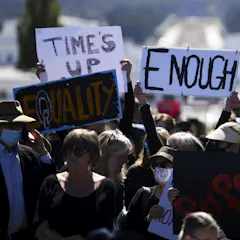
Victim-survivors want to have their experiences heard and the wrong against them acknowledged — sadly, the opposite often occurs.
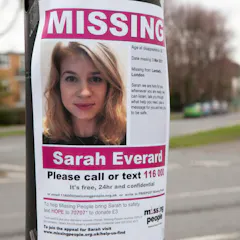
Metropolitan Police commissioner Cressida Dick has reminded the public of low abduction statistics, but instances of sexual misconduct in public are still alarmingly high
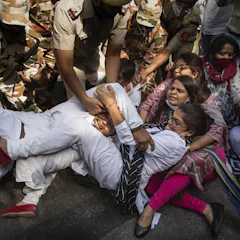
Because of its extreme violence, the Hathras rape sent shock waves throughout India: it is a disturbing reminder of the normalization of rape culture there and should be seen as a call to action.
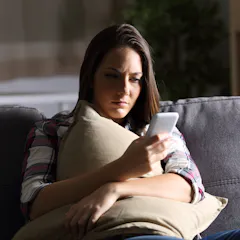
When rape allegations are in the news, it can be a traumatic experience for survivors of past sexual violence. But there are ways to shield yourself from further trauma.

There are many legitimate reasons why survivors of sexual violence may not immediately report to police. But a delay in reporting, in itself, should not affect the credibility of the allegations.
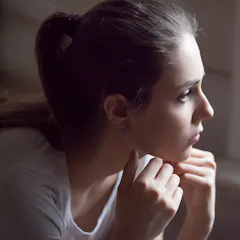
In the wake of high-profile allegations of sexual assault, it is important people know there are informal avenues for survivors to report their stories.
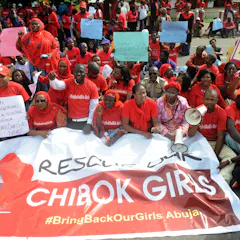
Adolescent girls face unique challenges in times of conflict and crisis yet they are rarely consulted about how to engender peace in their communities.

Criminal trials may hold offenders to account but they are far from perfect. The Victorian Law Reform Commission is looking at how restorative justice could be used for sexual offences.
The Law Reform Commission’s review is a missed opportunity for NSW to lead the way in making affirmative consent the law.
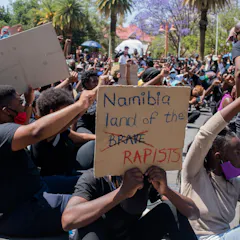
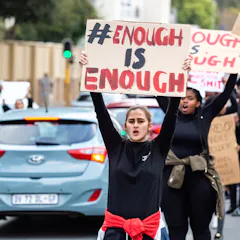
The protests carried on for days and continue to simmer in a country whose social fabric has been torn by toxic masculinity and a violent colonial past.

Adolescents and young adults who reported having experienced sexual violence were more likely to have also had an unintended pregnancy.
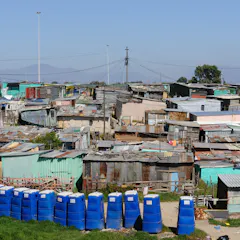
Studies globally have made the link between the lack of adequate sanitation, particularly open defecation or shared community toilet facilities, and the increased risk of women and girls being raped.
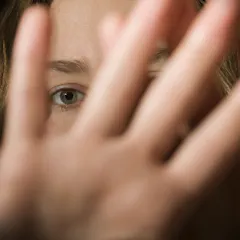
A scholar who studies Holocaust survivors sees an explanation for why women change their stories of sexual assault, even now in the
MeToo era.

Reports of rape, domestic abuse and murdered women are way up in Brazil, Mexico, Peru and beyond since the coronavirus. But Latin America has long been one of the most dangerous places to be a woman.
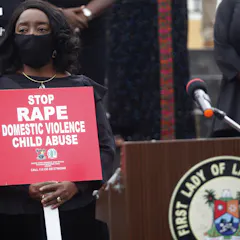
In our media analysis, we found that rapists were mainly people the victims knew.

Queensland’s 120-year-old mistake of fact excuse allows defendants to argue they honestly and reasonably believed the other person consented to sex — even if they did not.
CC BY-NC-ND4.32 MB (download)
Gender-based violence needs urgent attention in South Africa.
Top contributors
-

Professor of Political Science and Chair of the South African Research Initiative in Gender Politics, Stellenbosch University
-
Senior Lecturer in Criminology and Criminal Justice, Swinburne University of Technology
-
Professor of Family and Sexual Violence, RMIT University
-
Head of School and Dean, School of Law and Justice, University of Southern Queensland
-
Professor in Criminal Law, Durham University
-
Associate Professor in Criminology, The University of Melbourne
-
Senior Lecturer in Criminology, Sheffield Hallam University
-
Professor of Psychology & Associate Dean, Georgia State University
-
Professor and Canada Research Chair in Children, Families and Armed Conflict, McGill University
-
Professor of Criminology, Durham University
-
Professor of Law, Durham University
-
Professor of Global & Language Studies, RMIT University
-
Lecturer in Law, Lancaster University
-
Senior Lecturer in Criminology, University of Wollongong
-
Professor of Psychology, University of Birmingham