
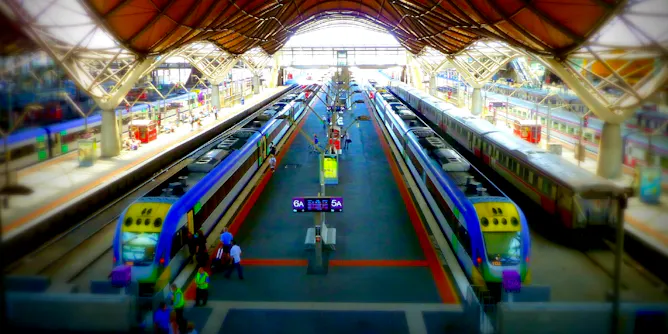
Victoria offers lessons in the benefits of integrating metropolitan and regional planning, using regional rail to shrink distance and ease the pressures of growth on our big capital cities.
Articles on Rail
Displaying 61 - 80 of 100 articles
The rail project may well help get more commuters into the CBD, but offers few benefits for the parts of the broader metro area where most population growth is occurring.
A rail link is a big step towards transforming transport access and land use in ways that will enable a much bigger city to remain liveable. And Melbourne can learn from Sydney about this.

Estimated cost savings for rail and bus franchising from Infrastructure Australia and PwC will have government treasurers salivating. Problem is, the figures are almost certainly far too high.

To ease the stress of commuting, don’t ditch the bus – just make it smarter.

Turning 18 could be your ticket to a European adventure – literally.

With 35 new inter-city routes shortlisted for testing, it’s time to start taking hyperloop seriously.
There are no quick fixes.
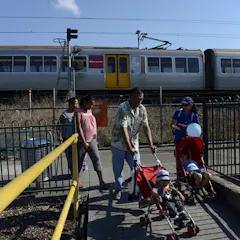
The Australian government should look to the private sector to fund, develop and run more urban rail projects.
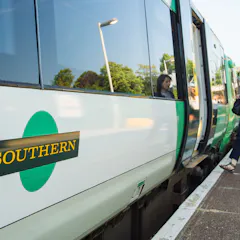
Many of Britain’s railway employees, customers and bosses are unhappy at the state of the nation’s services.
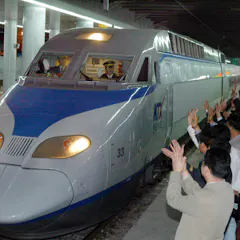
The private consortium CLARA is proposing a high speed rail network between Sydney and Melbourne paid for by value capture but it still relies on the benefits outweighing the costs.
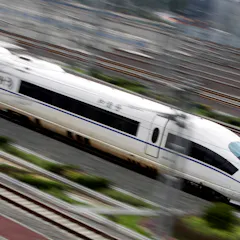
High-speed rail is now a well-established technology and Australia needs it, as long as the project ticks all the boxes needed to deliver both private and public benefits.
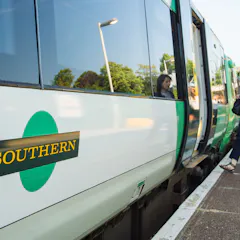
The government knows the system is a shambles – but refuses to admit that rail privatisation has failed.
A fast rail link between Sydney and Melbourne was first proposed in 1984. So why haven’t we done it yet?

International investors competing for a stake and the Federal Government’s positive outlook for mining are both good signs for the largest companies in the transport sector.
Would you take a longer route to work for the good of all?
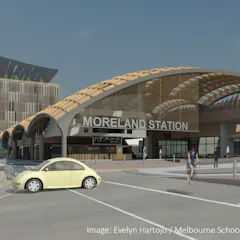
Elevated rail to remove level crossings, done properly, has many benefits – and the alternatives are more disruptive and costly. But announcing projects with little consultation is asking for trouble.
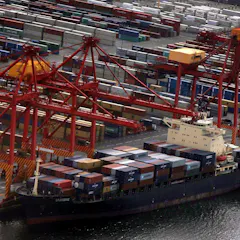
Improving the efficiency of existing rail infrastructure into Port Botany will deliver the capacity gains it will need.
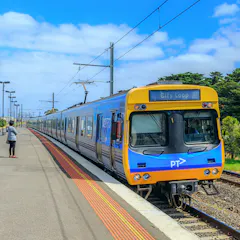
Building more rail shouldn’t be reliant on the public purse.
Instead of trying to maintain our usual routines in the face of huge disruptions, we should use them as a welcome opportunity to mix things up.
Top contributors
-

Professor of Sustainability, Curtin University
-
Honorary Principal Fellow, University of Wollongong
-
Transport and Cities Program Director, Grattan Institute
-
Senior Lecturer in Accounting, University of Essex
-
Senior Lecturer in Urbanism, University of Sydney
-
Marie Curie Fellow, University of Amsterdam
-
Visiting Research Fellow, Intelligent Mobility, Manchester Metropolitan University
-
Professor in Transport Planning, University of Westminster
-
Emeritus professor in transport and logistics, University of Huddersfield
-
Researcher in Transport Policy and Governance, UCL
-
Professor of Operations Management, Manchester Metropolitan University
-
Associate, Grattan Institute
-
Research Professor, University of Leeds
-
Professor of Transport Geography, University of Plymouth
-
Tenured Scientist, Consejo Superior de Investigaciones Científicas (CSIC)