
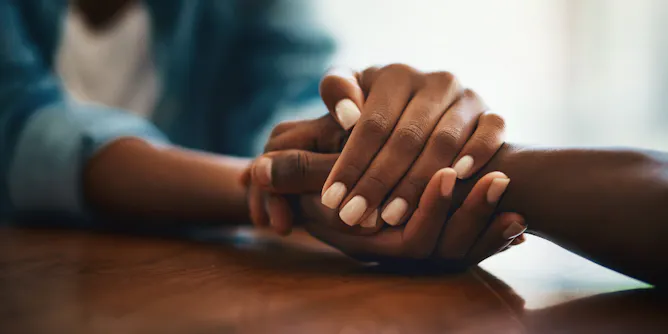
The evidence is growing that experiencing both systemic and everyday race-based discrimination may lead some Black Americans to become depressed and think about suicide.
Articles on Racial discrimination
Displaying 41 - 60 of 142 articles
New research points to a biological way that racism can lead to health disparities.
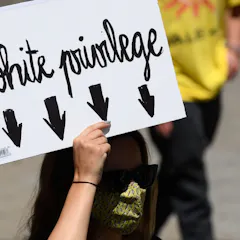
A transnational movement for racial justice requires a sensitivity to the specific, local conditions in which race and racism touch the everyday lives of people.

Local power struggles and strong US interests have long shaped political leadership – and presidential assassinations – in Haiti, limiting nation-building projects on the Caribbean island.
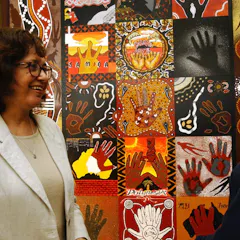
Opportunities to give voice to Aboriginal people in prison have the potential to address the growing impacts of racism in the justice system in Australia.
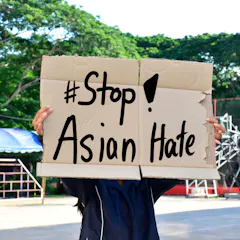
Just 3% of Asian Australians in a new survey say they have reported racist incidents to the Human Rights Commission. Worryingly, many say they also avoid certain situations out of fear of racism.
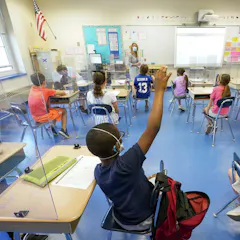
New state laws in the US banning teaching about systemic racism raise the question: Does the Constitution protect public school teachers’ right to choose how and what to teach?
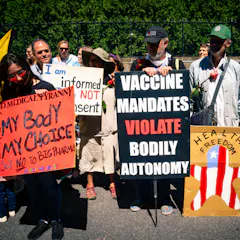
Vaccine resistance movements have always been led by white, middle-class voices and promoted by structures of racial inequality.
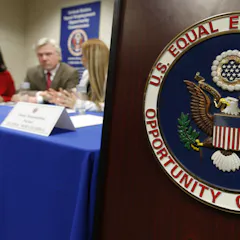
Workers who filed complaints faced retaliation and rarely got a favorable result from the Equal Employment Opportunity Commission.

A survey finds that hardship disparities across racial and ethnic groups have persisted throughout the pandemic.
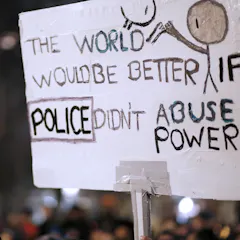
Since Tyre Nichols’ death there are renewed calls for Congress to pass police reform legislation. But the federal government has almost no control over state and local police departments.

Since the beginning of the pandemic, hate crimes targeting Asian Americans have gotten increased media and public attention. New data shows these events are in fact happening more often.

Some AI systems make faulty assumptions about women and nonwhite men, which can lead to misdiagnoses. Overcoming this bias takes legal, regulatory and technical fixes.

Some people wonder what they can do to support Black colleagues and junior employees who face institutional discrimination at work and elsewhere.
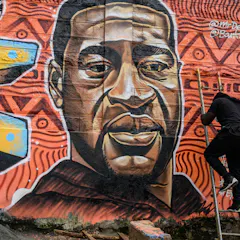
Racism affects health and often leads to early death. We now know in greater and more alarming detail how this happens.
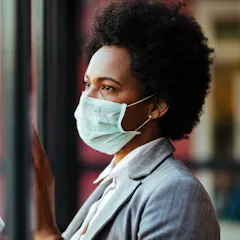
Mistrust of the medical establishment, based on experience, is behind hesitancy.
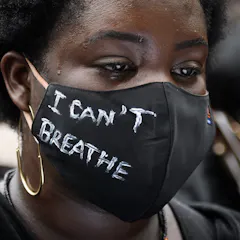
A study of 800 Black American families shows early experiences of racism have long-term consequences for physical and mental health.
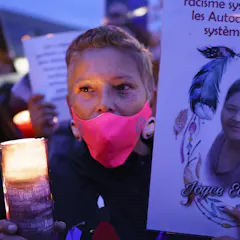
Joyce’s Principle seeks to shift the way health services are provided to Indigenous communities and ensure they are free of discrimination.
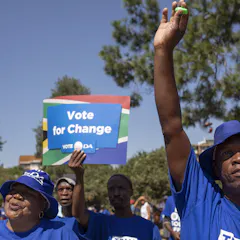
Each black person and woman may be an individual but, because they are black and women, they face obstacles which whites and men don’t.
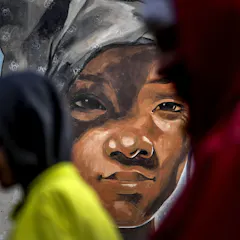
There are, scientifically, no human races. How did race come to have this power and this durability?
Top contributors
-

Emeritus Professor of Sociology, University of Technology Sydney
-
Pro Vice Chancellor Research, Western Sydney University
-
Assistant Professor of Psychology, Georgia State University
-
PhD Candidate, Social Justice Education, Ontario Institute for Studies in Education, University of Toronto
-
Professor of Law; Kim Santow Chair of Law and Social Justice, University of Sydney
-
Evan Pugh University Professor of Anthropology, Penn State
-
Professor of Race Relations, Deakin University
-
PhD Candidate, Research Assistant and Sessional Academic, School of Social Sciences, Western Sydney University
-
Professor of Journalism, Indiana University
-
Professorial Fellow, University of Canberra
-
Associate Professor of Sociology, Wayne State University
-
Senior Lecturer in Social and Cultural Geography, Western Sydney University
-
Professor of Sociology and Director of the Center for Employment Equity, UMass Amherst
-
Professor of Geography and Senior Research Associate in the Rock Ethics Institute, Penn State
-
Professor of Food and Beverage Management, Cornell University