
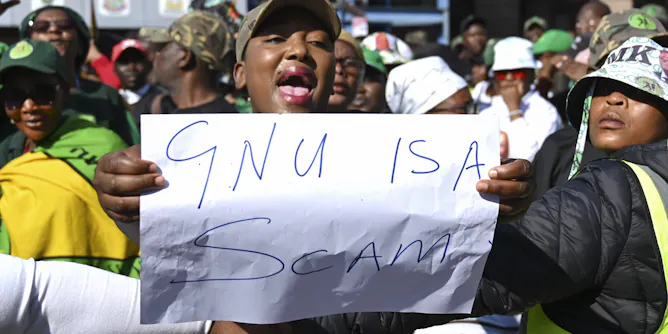
Poor governance and incompetence plague South Africa’s public administration, particularly at the local level.
Articles on Public violence
Displaying all articles
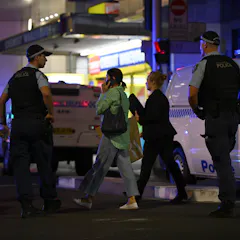
The “zero responders” – bystanders who proactively assist – play a pivotal role in the immediate response to crisis. They can be key players in preventing, reporting and containing a violent incident.
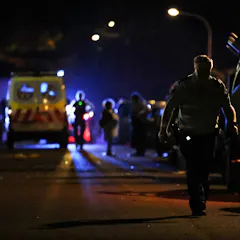
Sydney has seen two stabbing incidents within days of each other. Grim comparisons are inevitable, but what makes them different?

Political and social instability in the country, as seen in frequent mass protests and xenophobia, threaten the flow of African tourists.

Schoolteachers routinely report feeling ill-prepared to guide their students through difficult conversations about high-profile violent events.
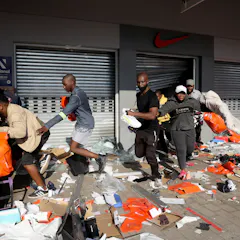
The evidence shows that political risk in South Africa has increased markedly in certain areas over the past two decades.
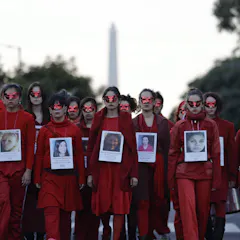
Private and public violence rely on each other as forces that work together to ensure women and girls ‘stay in their place’ — the one that patriarchal social structures have prescribed.
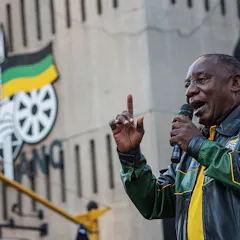
The ANC did not create most of the patterns for which it is blamed. But it has done far too little to change them and often seems happy simply to live with them.

After 1994 efforts were made to embed democracy. The focus was on policy and institution-building. What was missing was ensuring all South Africans were on board.
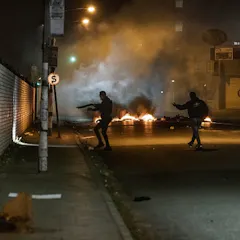
Corruption thrives in a destabilised state with weak institutions. South Africa cannot be allowed back to that space because there will be no turning back.
Top contributors
-

Professor of Political Science, Department of Political Studies and Governance, University of the Free State
-
Faculty of Human Sciences Acting Research Professor, Vaal University of Technology
-
Associate Professor of Special Education, Boston University
-
Professor of Public Affairs, Tshwane University of Technology
-
Chair in Global Islamic Politics, Alfred Deakin Institute for Citizenship and Globalisation, Deakin University
-
Professor of Psychology and Psychiatry, Florida International University
-
Professor, Department of Sociology & Anthropology, University of Guelph
-
Associate Professor and Principal Fellow in Urban Risk and Resilience, The University of Melbourne
-
Professor of Political Studies, University of Johannesburg
-
Professor of Urban Governance, University of the Witwatersrand
-
Associate Professor of Counseling Psychology, Boston University