

People with personality disorders more likely to have a bad trip on psychedelics.
Articles on Psychiatry
Displaying 41 - 60 of 211 articles

People with OCD have a 31% increased risk of death from natural causes and a 230% increased risk of death from unnatural causes compared to those without the disorder.
Montréal is home to one of the world’s largest brain banks, the Douglas-Bell Canada Brain Bank, where discoveries about different neurological and psychiatric diseases are made.
Deep brain stimulation can help some people with treatment-resistant depression feel better, but it can be unclear whether a bout of low mood is a relapse or a bad day.

A psychiatrist explains the many ways anxiety can hinder, color or compel creativity.

Although emotions like fear and anxiety originate in your brain, they ultimately travel through your body and make your heart race and your stomach twist.

Psychiatrists rely on guidelines to prescribe medication for bipolar disorders. But beyond side-effects and clinical trials, ‘real-world’ effectiveness should be considered thoughtfully.
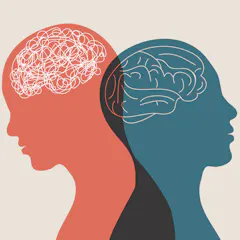
Combining psychotherapy with medication can lead to more immediate and enduring results by boosting the brain’s neuroplasticity.

Deep psychological factors play a part in obesity, including childhood trauma.

This latest research provides hope for people whose symptoms are harder to treat.

In addition to placebo effects, patients might be motivated to report they have gotten better, even when they haven’t.

From July 1, authorised psychiatrists will be able to prescribe MDMA and psilocybin in some circumstances. Here’s what we’re excited and concerned about.

The international Hearing Voices Movement has spent the past decades campaigning to destigmatise a surprisingly common phenomenon.
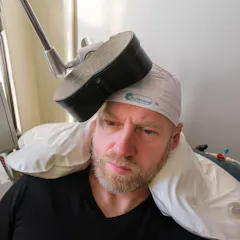
Transcranial magnetic stimulation is a safe, well-tolerated way to treat depression.

Some people believe their hand doesn’t belong to them. Others think bugs are crawling under their skin.

People can be reluctant to discuss symptoms with their doctor. When they do, their symptoms can be mistaken for other illnesses. Even when people are diagnosed, they don’t always get the right treatment.
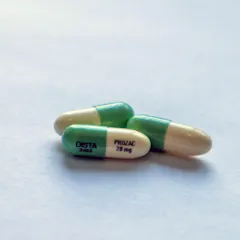
Antidepressants have been prescribed to millions of people with little thought about how those people will come off them.
Mental health still carries significant stigma in Ghana.

We looked at more than 1,000 research trials and found clear evidence to back exercise as a way to improve depression, anxiety and psychological distress.

Doing the little things has a role to play in maintaining our sense of happiness as well as in treating mental illness.
Top contributors
-

Professor of Psychiatry, Monash University
-
Professor of Psychiatry, Wayne State University
-
Professor of Critical and Social Psychiatry, UCL
-
Scientia Professor of Psychiatry, UNSW
-
Deputy Director, The Kids Research Institute Australia, Professor of Autism Research, The University of Western Australia
-
Professor of Clinical Psychology, University of Liverpool
-
PhD Researcher, Cardiff University
-
Visiting Clinical Research Fellow in Psychiatry, UCL
-
Associate Professor in Clinical Psychology and Neuropsychology, Trinity College Dublin
-
Associate Professor, Brain and Mind Centre, University of Sydney; University of Canberra
-
Professor of Psychology, University of the Witwatersrand
-
Senior Lecturer in Social Work, University of Salford
-
Professor of Psychological Medicine, King's College London
-
Professor of Interdisciplinary Studies, Emerson College
-
Senior Research Fellow, Oxford Institute of Population Ageing, University of Oxford