

Despite advances in neuroscience, the underlying biology of mental illness has remained elusive. The DSM-6 will attempt to integrate neurobiology into how clinicians diagnose and treat psychiatric conditions.
Articles on DSM-5
Displaying 1 - 20 of 38 articles

Pathological demand avoidance isn’t listed in the diagnostic manuals clinicians use. But that doesn’t make it less distressing for children or families. What can help?

For some people, successful treatment of co-existing ADHD may be the best way of getting relief from chronic anxiety.

Complex PTSD was left out of the latest version of the ‘psychiatrists’ bible’, but that doesn’t make it any less real for those who live with it.
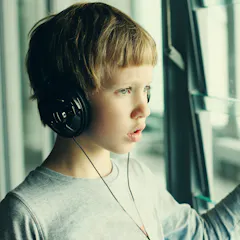
The myth that children grow out of autism can prevent parents from seeing and accepting their child as the wonderful human being they are and recognising their strengths.
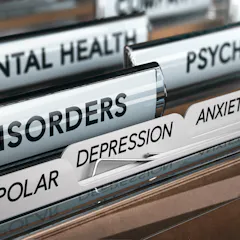
Bipolar disorder, autism, schizophrenia, borderline personality disorder – how useful are mental health labels?

Postnatal depression in men is starting to be recognised, but mental health services aren’t geared up to help this group.

Mental health trauma has always been a part of war. Treatments have come a long way over the last century, but we still don’t understand why the responses change for different people and times.

Shadow Minister for Climate Change and Energy Mark Butler told Q&A that eating disorders “are the mental illness type which has the highest mortality rate”. We check the research.

Adult separation anxiety is a relatively new concept. There are, as yet, no published evidence-based treatments for the condition.

Autism has gone from a rare disorder to one that affects one in 68 children in a few decades.

The broad category of hoarding has only recently been recognised as a psychiatric disorder. It first made an appearance in the 2013 edition of the Diagnostic and Statistical Manual of Mental Disorders…
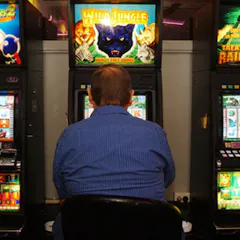
Since the issue of problem gambling was placed under the national spotlight by the Productivity Commission in 1999, we have witnessed ongoing public debate about Australia’s gambling industries. The commission…
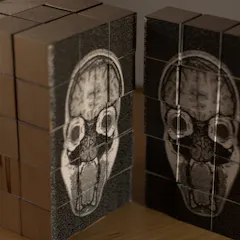
Do you believe ‘mental illness’ is all about brain chemistry? It wouldn’t be surprising if you did, because this is the message we regularly receive about various forms of troublesome feelings, thoughts…

The fifth edition of the Diagnostic and Statistical Manual for Mental Disorders (DSM-5) has copped the predicted criticisms since its release on the weekend. Most centre on the idea that more of us will…

The new Diagnostic and Statistical Manual (DSM-5) is the latest instalment in the long-running saga over the classification, nature and dimensions of mental illness. But it’s not the only system of classification…

The newly released edition of the Diagnostic and Statistical Manual for Mental Disorders (DSM-5) may be heralded as the “bible of psychiatry”, but it is not an objective scientific document outlining the…
The fifth edition of the Diagnostic and Statistical Manual for Mental Disorders (DSM-5), a classification system for mental disorders produced by the American Psychiatric Association for the past 60 years…

Since it was first published in 1952, the DSM has been the has been the diagnostic bible for many psychiatrists. Each time the manual is updated, new conditions are introduced, often amid much controversy…

DSM-5, the latest version of the Diagnostic and Statistical Manual of the American Psychiatric Association, was published in the US at the weekend. Given that not even its most passionate supporters would…
Top contributors
-

Director, Unit for History and Philosophy of Science, University of Sydney
-
Director of Psychological Services, Black Dog Institute; Associate Professor, School of Psychiatry, Faculty of Medicine, UNSW
-
Professor of Psychiatry, University of Oxford
-
Associate Professor in Health and Physical Education, Victoria University
-
Professor, School of History and Philosophy of Science, University of Sydney
-
ARC DECRA Fellow, Australian National University
-
Senior Lecturer, The University of Queensland
-
Senior lecturer, Macquarie University
-
Associate Professor, School of Business and Tourism, Southern Cross University
-
Professor of Neuroscience & Mental Health, University of Reading
-
Clinical Senior Lecturer in Psychiatry, Adelaide University
-
Professor of Automation, Chinese Academy of Sciences
-
Professor and Personal Chair, Swansea University
-
Professor of English, Northwestern University
-
Associate Professor of Philosophy, Michigan State University