
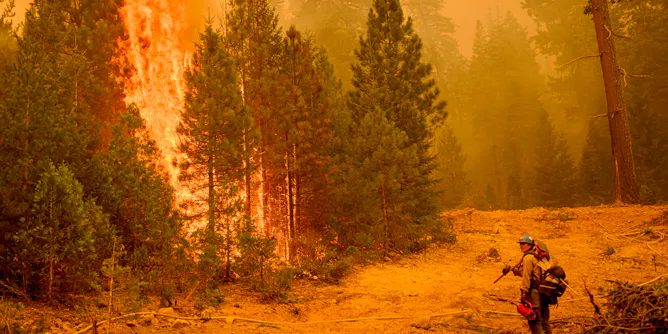
Wildfire strategy tends to break into three distinct camps today, each focusing heavily on one approach over the others. Successful management requires them all.
Articles on Prescribed burning
Displaying all articles
Wildfires in Colorado are reshaping landscapes and visitor habits.
After devastating fires in 1939, authorities began burning forests to reduce fuel load. But we now know this creates conditions for even worse fires.

Knowing how mountain winds create fire conditions is useful for monitoring the danger.
Uncertainty from Washington along with staff and budget cuts have created turmoil for the US Forest Service’s fire management efforts.
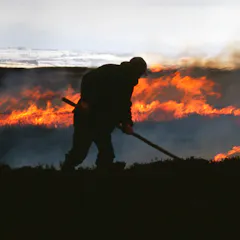
Nearly a third of all moorland burning in Scotland occurs on peat soil – a vital carbon sink.
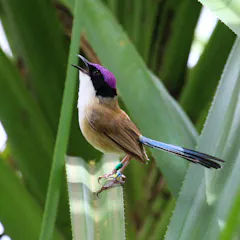
A study of purple-crowned fairy-wrens offers lessons for fire management along waterways in tropical savanna ecosystems.

Building a culture where fire is respected rather than feared is essential to maintain resilient landscapes.
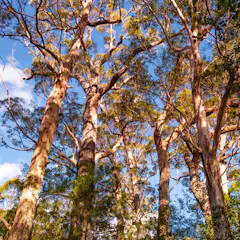
Red tingle forests in south-western Australia have the lowest fire risk when they’ve not been subjected to prescribed burning. New research explains why
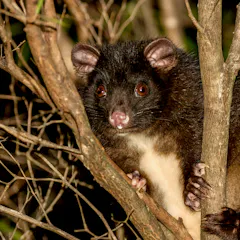
A new paper explores how a carefully controlled fuel reduction burn killed 17 critically endangered western ringtail possums.
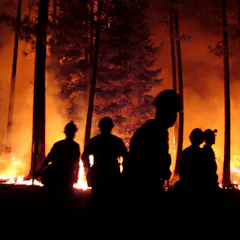
Dry, windy conditions have fueled destructive wildfires in Texas, Florida and other states in 2022. Understanding these terms can help people in fire-risk areas prepare.
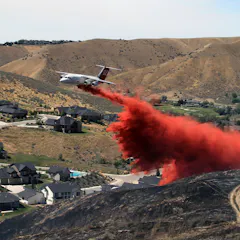
Wildfires aren’t always wild. Many of the most expensive and damaging fires happen in suburban areas, and nearly all blazes in these zones are started by humans.
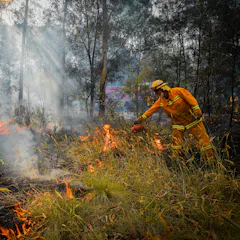
New research has found the window of opportunity for hazard reduction burns won’t actually get smaller, but instead change seasons.
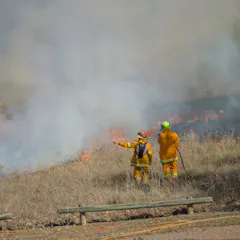
Expanding planned burning is often touted as a way to lessen the risk of bushfires. But this burn-off season is bad news for the COVID-19 pandemic.
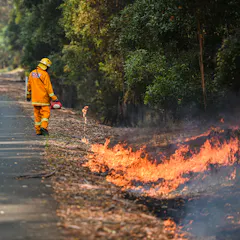
This summer’s bushfires have sparked a fiery debate about hazard-reduction burning. Scientists are still debating whether it really helps prevent bushfires – here’s why.
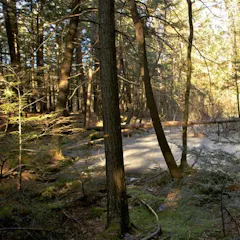
Evidence shows Native Americans in New England lived lightly on the land for thousands of years. It wasn’t until Europeans arrived that the landscape experienced major human impacts.
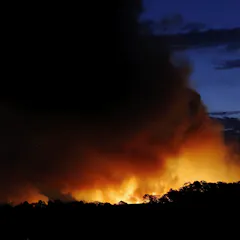
Australia’s national obsession with prescribed burning won’t be enough to manage the growing risk of devastating bushfires.
Top contributors
-

Research Associate, University of New South Wales, and Adjunct Associate Professor, Curtin University
-
Professor, School of Life Sciences, University of Technology Sydney
-
Alfred Deakin Professor and Chair in Ecology, Deakin University
-
Professor, Norwegian University of Science and Technology
-
Professor of Environmental Science, Emerson College
-
Professor of Pyrogeography and Fire Science, University of Tasmania
-
Distinguished Professor of Ecology, Fenner School of Environment and Society, Australian National University
-
Postdoctoral researcher, University of Tasmania
-
Professor, Monash University
-
Dean of the Harpur College of Arts and Sciences and Professor of Anthropology, Binghamton University, State University of New York
-
Professor in Terrestrial Ecology, Deakin University
-
Professor of Bushfire Dynamics, School of Science, UNSW Canberra, UNSW
-
Professor of Biosphere-Atmosphere Interactions, University of Leeds
-
Director of the Southern Fire Exchange, University of Florida
-
Associate Professor in Immunology and Disease, Nord University