

These mobile power systems could be a lifeline for remote, island and disaster-prone places.
Articles on Power plants
Displaying 1 - 20 of 38 articles

There’s not much diesel fuel lying around, and lots of people want to buy what is available, as well as what little is produced each day. It’s all a matter of supply and demand.
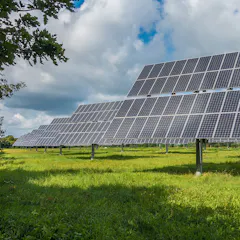
Africa is rapidly expanding electricity generation, but new research shows energy planning must also account for water scarcity and carbon dioxide emissions.

As AI data centers are added to Pennsylvania’s existing infrastructure, they bring the promise of economic growth − and a massive, 24/7 appetite for electricity.
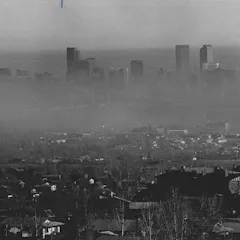
The EPA is changing how it assesses proposed regulations by dropping the monetary value of health benefits from its cost-benefit analyses. That misses a big piece of the picture.
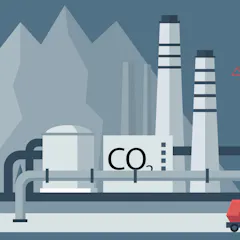
To reduce emissions put into the atmosphere, Google is using carbon capture and sequestration. But not all CCS projects are the same.

An analysis finds that fewer electric vehicles will also mean less investment to clean up the electricity sector.
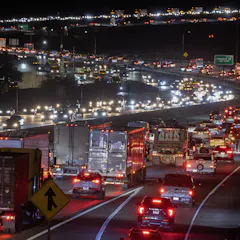
Carbon dioxide emissions trap heat in the atmosphere, warming the planet. Too much of it can disrupt the climate and oceans.

Acid rain and metals from power plants, vehicles and industries reached remote mountain lakes for years. Evidence from those lakes today shows the success of the Clean Air Act.
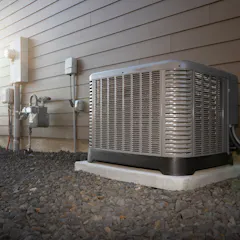
Rather than feeling guilty about cooling down in extreme heat, homeowners could boost power reliability and lay a welcome mat for more renewables.
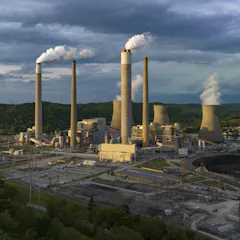
The Trump administration’s goal is to roll back rules limiting planet-warming greenhouse gas emissions from power plants, vehicles and oil and gas production, but it could backfire for industry.

With the Trump administration prioritizing fossil fuels, cities and states will have to lead the way on clean energy.
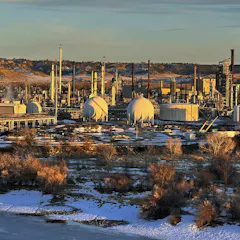
The US produces more oil today than any other country, and there is no clear emergency on the scale of the energy crises of the 1970s. But there are some causes for concern.
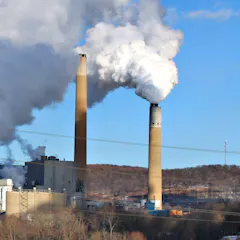
Pollution solutions start with public pressure, often in the face of industry pushback and slow-moving political responses.
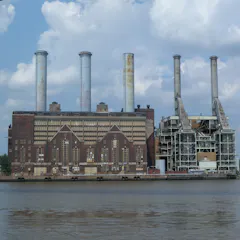
As renewables account for a growing share of electricity supply, fossil fuel plants are increasingly used to balance fluctuations in renewable generation – emitting health-threatening pollutants.
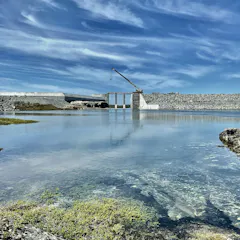
The energy transition requires the development of new infrastructure, which can have adverse effects on the environment and on certain communities.

Lawsuits are inevitable, but an environmental lawyer explains why the EPA’s new power plant regulations are on solid ground.
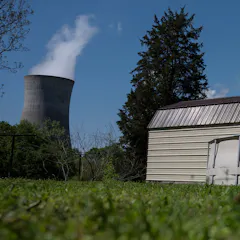
The longest-running study of its kind reviewed death records in the path of pollution from coal-fired power plants. The numbers are staggering − but also falling fast as US coal plants close.
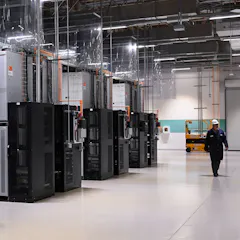
Some power plants don’t have massive smokestacks or cooling towers – or even a central site.
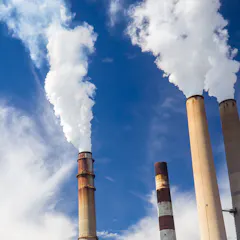
Fossil fuel power plants can avoid most emissions by capturing carbon dioxide and pumping it underground. But to be a climate solution, that carbon has to stay stored for thousands of years.
Top contributors
-

Professor of Law Emeritus, Vermont Law & Graduate School
-
Professor of Civil and Environmental Engineering, Rice University
-
Josey Centennial Professor of Energy Resources, The University of Texas at Austin
-
Director, Center for Energy and Sustainable Development; Professor of Law, West Virginia University
-
Associate Professor of Environmental Engineering, North Carolina State University
-
Professorial Fellow, University of Canberra
-
Joint director, Collaboration on Energy and Environmental Markets, and Professor, School of Electrical Engineering and Telecommunications, UNSW
-
Honorary Associate Professor, Centre for Climate Economics and Policy, Australian National University
-
Assistant professor, Arizona State University
-
MRB Professor of Strategy and Entrepreneurship, University of Colorado Boulder
-
Professor of Engineering, Washington University in St. Louis
-
Guest researcher of Faculty of Behavioural, Management and Social Sciences (BMS), Department of Governance and Technology for Sustainability (CSTM), University of Twente
-
Assistant Professor of Economics and Finance, Stephen F. Austin State University
-
Professor of Energy and Environmental Engineering, University of Bath
-
Associate Professor, Architecture & Built Environment, University of Nottingham