
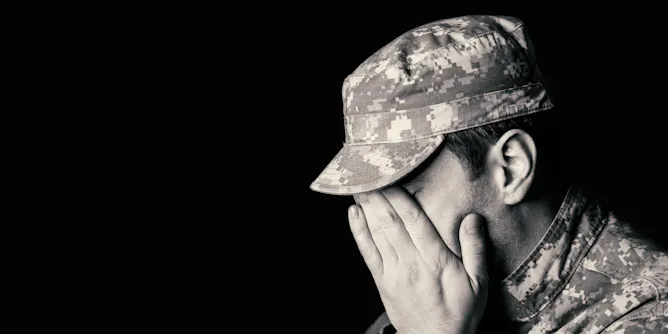
The difficulties that soldiers face when returning home from battle are part of an old, old story.
Articles on Post-traumatic stress disorder (PTSD)
Displaying 241 - 260 of 305 articles

The Antill 7: On belief
The Conversation, CC BY-ND46.9 MB (download)
Four stories on belief: from the allure of cults and conspiracy theories, to the effect of trauma on faith, to the way dogma has influenced science – and if technology can actually shift our beliefs.
To reduce female recidivism rates, we need to address inmates’ histories of trauma and abuse.
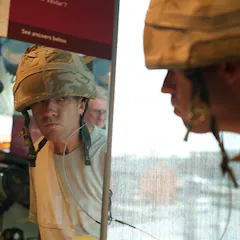
All eyes are on ex-forces veterans come Remembrance Day. We may see heroes – but no one asks them whether they want to fit that mould.

If you’re an Australian teenager or young adult diagnosed with cancer, there’s good news: overall survival rates are good and getting better. But what can you expect from life after cancer treatment?
Who am I, as an academic, to decide in advance what is or what is not triggering to others?
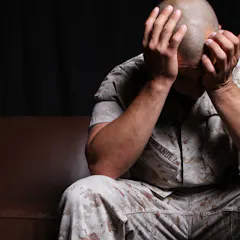
We need to know how many people have PTSD to figure out what policies can reduce the burden.
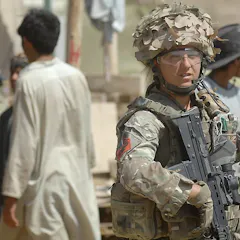
PTSD isn’t all about bombs and bullets. The baggage soldiers and medics bring to war zones will help us better understand diverse responses.

The research is strong that the atrocities of war cause mental health issues. A clinical psychologist walks us through the research and tells of her personal experience treating those with PTSD.
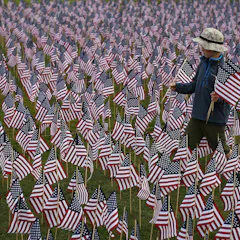
Even indirect exposure to the terrorist attacks of September 11 has left profound and deep impact on those too young to remember a world before that.
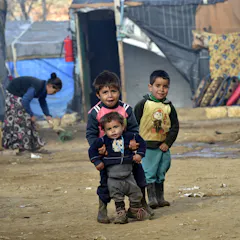
It’s not just children who need support to cope, their families and caregivers do, too.
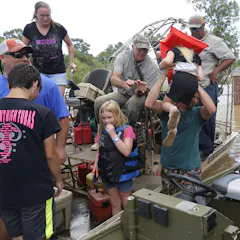
It’s not uncommon for kids to experience symptoms of post-traumatic stress after a disaster. With thousands of children affected by Hurricane Harvey, how can parents help kids bounce back?

Jason Bourne’s overall pattern of forgetting and then retrieving memories is a better plot device than representation of real-world memory loss and recovery.

Why psychological pain and trauma could have some positive effects – but only for some people.
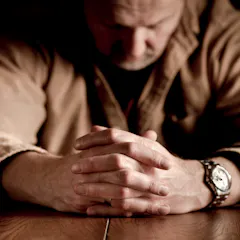
Perceived stigma, failure to seek help and failures of policing organisations to support help-seeking have created a melting pot of despair for some officers.

People who experience trauma often don’t discuss it until long after the incident has occurred. A lack of empathy is part of the reason.
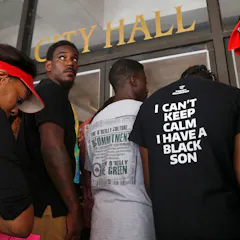
Recent tragedies have shown the depth of racism in society. As we ask ourselves how to move forward, we also need to ask how these events affect African-American children through vicarious racism.
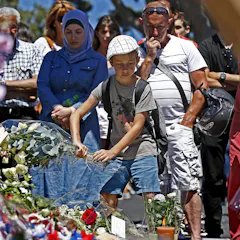
Families and friends bereaved after a sudden trauma may need both formal and informal support to help cope with their grief.
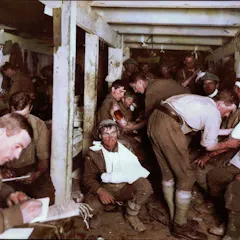
100 years after the Battle of the Somme, we are only now starting to unravel the mystery causes of shell shock.
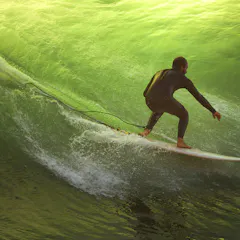
Talking therapy for people with post-traumatic stress disorder is one suggestion. A new study finds that surfing may be beneficial too.
Top contributors
-

Professor of Psychiatry, Wayne State University
-
Albert E. Kent Professor of Psychiatry, Yale University
-
Distinguished Professor of Pharmacy Practice, University of Connecticut
-
Associate Professor in Clinical Psychology, University of Oxford
-
Professor of Organisational Ethnography, Cambridge Judge Business School
-
Professor & Director, Refugee Trauma and Recovery Program, School of Psychology, UNSW
-
Chair of Clinical Psychology, The University of Melbourne
-
Associate Professor, Paramedicine and Head of Department, Rural Allied Health, La Trobe University
-
Professor & Director of Traumatic Stress Clinic, UNSW
-
Adjunct Professor, School of Psychology UNSW Sydney and Daphne Keats Chair in Cross-Cultural Psychology, University of Newcastle
-
Associate professor, Australian National University
-
Professorial Fellow, Department of Psychiatry, The University of Melbourne
-
Senior Lecturer of Addiction, Edith Cowan University
-
Research Fellow in Digital Pedagogy (Theology), Durham University
-
Professor and Homewood Research Chair in Mental Health and Trauma, Department of Psychiatry and Behavioural Neurosciences, McMaster University