
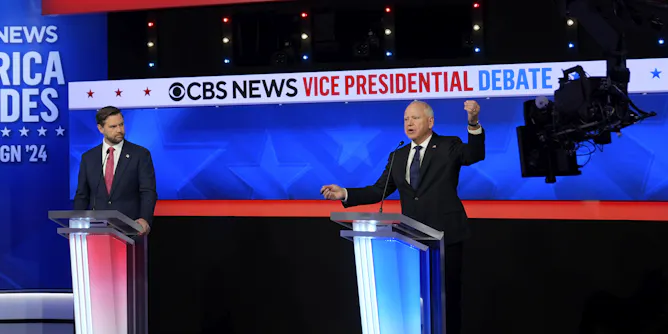
In what was likely the last debate of the campaign, JD Vance and Tim Walz tackled foreign affairs, climate change and abortion. With a month until polling day, it’s not likely to matter much.
Articles on Political debates
Displaying all articles

The types of smiles that politicians display can give us insights into their personalities and how they’ll lead.
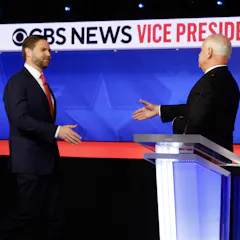
Masculinity has become a dominant theme in the race for the White House. In their debate, VP candidates JD Vance and Tim Walz showed just how much they differ on what that means.
Donald Trump and his supporters have trotted out an array of conspiracies about why he struggled so badly in his first debate against Kamala Harris. Preparation, however, is no conspiracy.
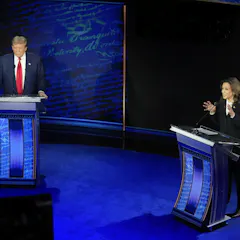
From inflation to abortion, foreign policy and democracy, the two presidential candidates went at it fiercely during their prime-time debate. Two scholars – of race and of journalism – weigh in.
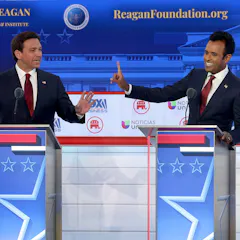
With Donald Trump absent again, Republican presidential hopefuls took potshots at each other but agreed that Bidenomics isn’t cutting it.
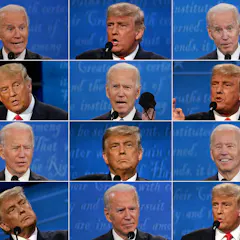
Long treated as a sign of anxiety or a delaying tactic, ‘filled pauses’ are a linguistic trick to signal that what you are about to say might be complicated.

Phrases like ‘I suppose’ and ‘I would argue’ can project a lack of confidence when speaking.

In principle, political debates should showcase an aspiring leader’s vision. It’s a lofty goal given their current format in Kenya.
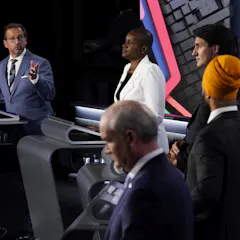
Leaders’ debates are perhaps the most over-rated, media-hyped and uber-analyzed events in politics, though they rarely have a meaningful impact on electoral outcomes.
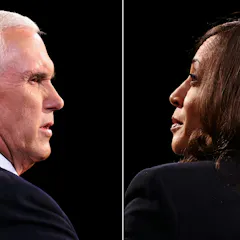
The seemingly different debate styles of President Trump and Vice President Pence are examples of the same thing, what a political communication scholar calls ‘authoritarian white masculinity.’

A saucy, perfectly delivered retort by Democratic vice presidential candidate Lloyd Bentsen didn’t hurt the Bush-Quayle ticket. But it dogged Dan Quayle for the rest of his political career.
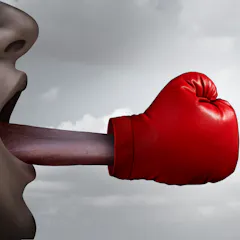
Functional political debates, like healthy democracies, require participants who respect the process and follow mutually agreed-upon rules.
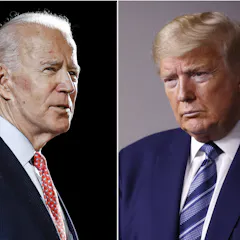
A politician who wields a comeback with skill can use it as both a bludgeon and a shield, damaging the opponent without hurting their own popularity with voters.
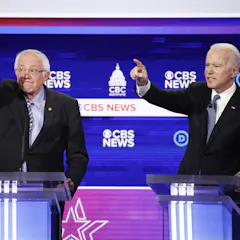
Three new approaches in the field of competitive academic debate offer ideas that could help presidential debates serve both their public purposes.

It’s easy to perceive a political opponent as being uncivil – and that opens the door for an uncivil reply as well.

The only satisfactory debate arrangement everyone agreed to nearly 60 years ago largely remains in place today – the game show format.
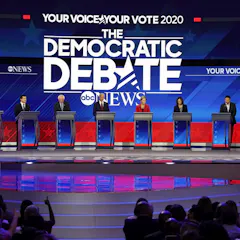
Debates may help voters identify which candidate shares their views but they do not help them think critically about those views. That’s because presidential debates don’t live up to their name.
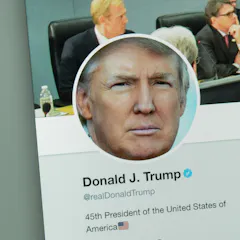
We can justify different standards for different Twitter users by turning to the philosophical ideas about public debate.
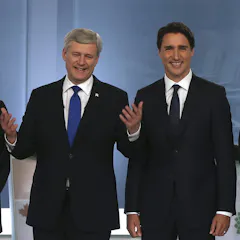
The creation of a new debate commission in Canada should ensure televised showdowns between party leaders amid federal election campaigns are transparent and a boon to democracy.
Top contributors
-

Professor of Communication Studies, Colorado State University
-
Professor of Journalism, Indiana University
-
Senior Lecturer and Director of Debate, Vanderbilt University
-
Associate Professor of Economics, Gonzaga University
-
Senior Lecturer in Media Studies, Daystar University
-
Professor of Linguistics, University of Nevada, Reno
-
Assistant Professor, Public Administration, Queen's University, Ontario
-
Professor of Communication and Journalism, University of Maine
-
Lecturer in Economics and International Business, Anglia Ruskin University
-
W. Alton Jones Professor of Philosophy, Vanderbilt University
-
Professor of Economics, University of Tennessee
-
Professor and Director of the School of Journalism, University of Montana
-
Professor of Critical Race and Ethnic Studies, Miami University
-
Lecturer, Political Science, University of British Columbia
-
Adjunct Senior Fellow, School of Global, Urban and Social Studies, RMIT University